Angels watching over me, every move I make.
Angels watching over me!
Angels watching over me, every step I take,
Angels watching over me!
Lyrics from “Angels”
Amy Grant
About the time that Wim Wender’s Wings of Desire (a.k.a. Der Himmel über Berlin) came out in 1987, I was fanatically listening to the Christian contemporary music of Amy Grant (and her ilk), singing pop-friendly songs about the nuances of evangelical theology, the power of loving relationships with Jesus “at the center”, and the supernatural might of intercessory prayer, angels and demons.
Yeah, I was one of those weird kids. (Big cringe.)
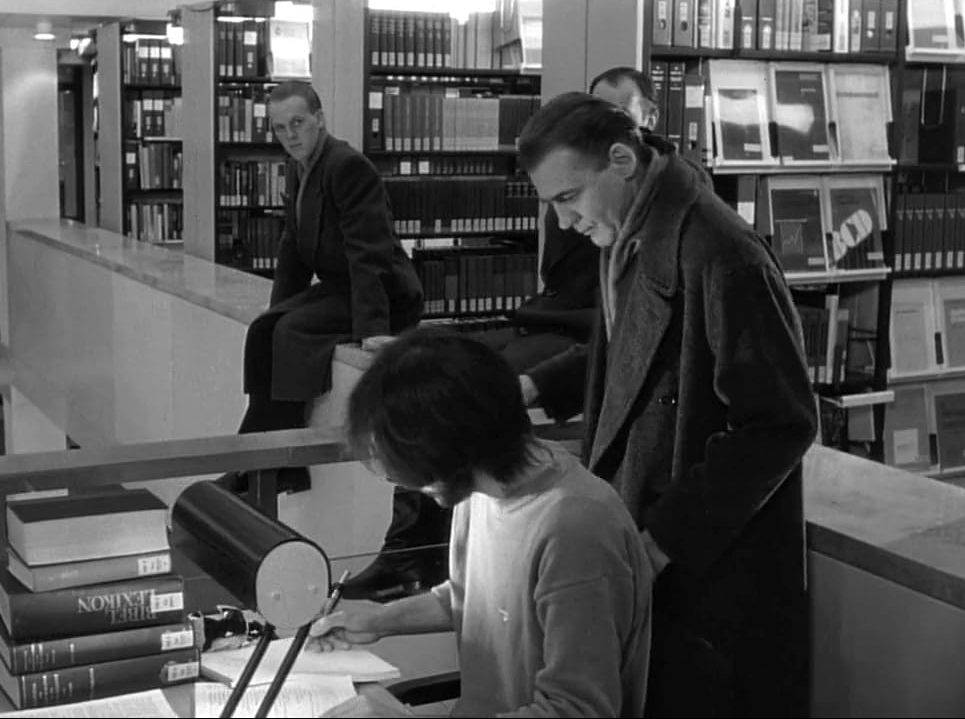
I wouldn’t have known about Wings of Desire at the time (or any foreign films for that matter), but I wonder what my take might have been on the angels of Berlin depicted in the film, with their short pony tails, long trenchcoats, and penchant for hanging out in libraries listening to humans think/read.

What strange theology could give rise to angelic beings that envy humans, quietly stalking them in their daily lives, and one angel in particular who takes a “fall” to earth out of love (and desire) for a woman trapeze artist?
Blasphemy! I’d say.
Or at least bad theology would have been my learned assessment (I think) as a pious (naive) teenager. But watching the movie now, from a de-fundamentalized, adult perspective, I am intrigued by the idea that our humanity, so fraught with failure and limitation, might also be a thing of beauty, to be envied and admired by more ethereal beings.
And what about City of Angels, the 1998 Hollywood-distorted version of Wings of Desire, that starred Nicolas Cage and Meg Ryan? Could it teach me anything new about the nature and activity of the angelics?
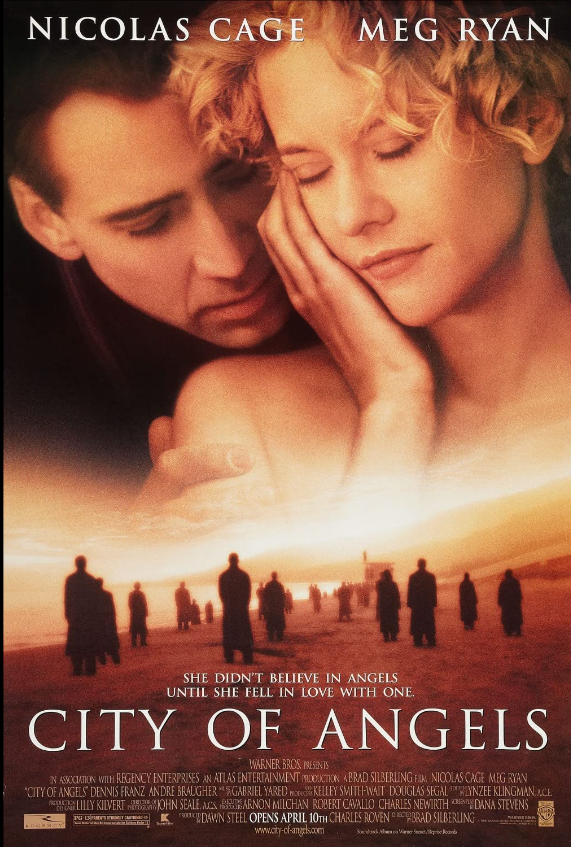
Well…we shall see.
The World According to Angels
[Spoiler Alert: If you want to watch either of these films, and for whatever reason, haven’t in the last two decades, please do so now. I may spoil some things in this post before it’s all said and done.]
The similarities
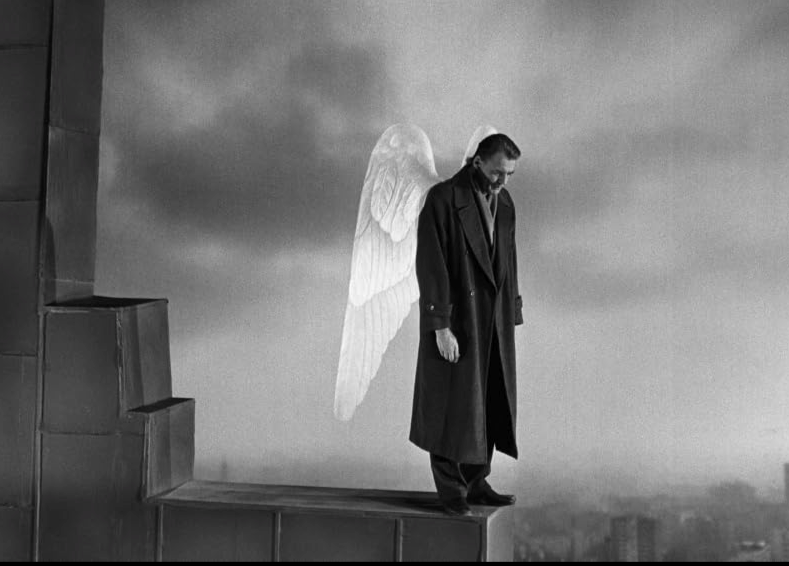
Let’s start with the similarities, then we’ll dive into the differences. In Wings of Desire (WoD) and City of Angels (CoA) we have the angels, otherworldly beings tasked with watching over mankind, bearing “witness” to their activity (some even writing down what they observe in notebooks), listening in on their deepest and most innermost thoughts, and occasionally “laying hands on” or touching humans to comfort or calm their concerns, or to help guide them into the afterlife. In both films, the plot centers on the relationship of two angels, Damiel (played by Bruno Ganz) and Cassiel (Otto Sander) in WoD, and their parallels Seth (Nicolas Cage) and Cassiel (Andre Braogher) in CoA.
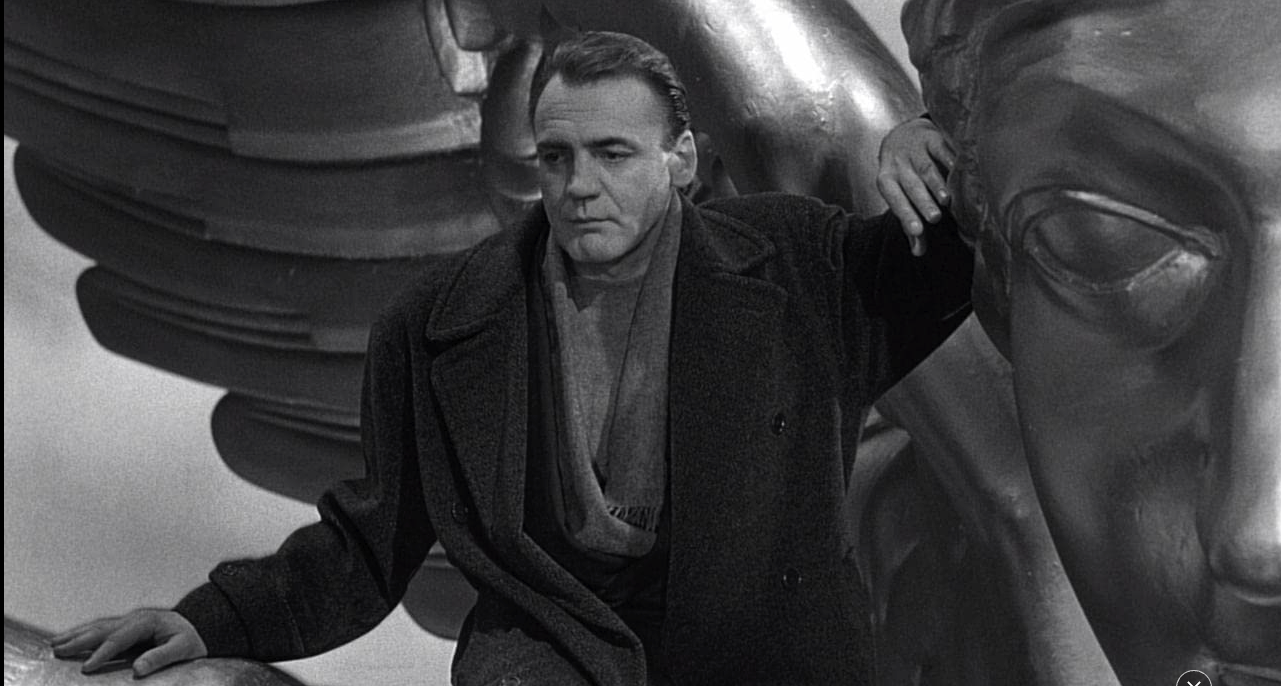
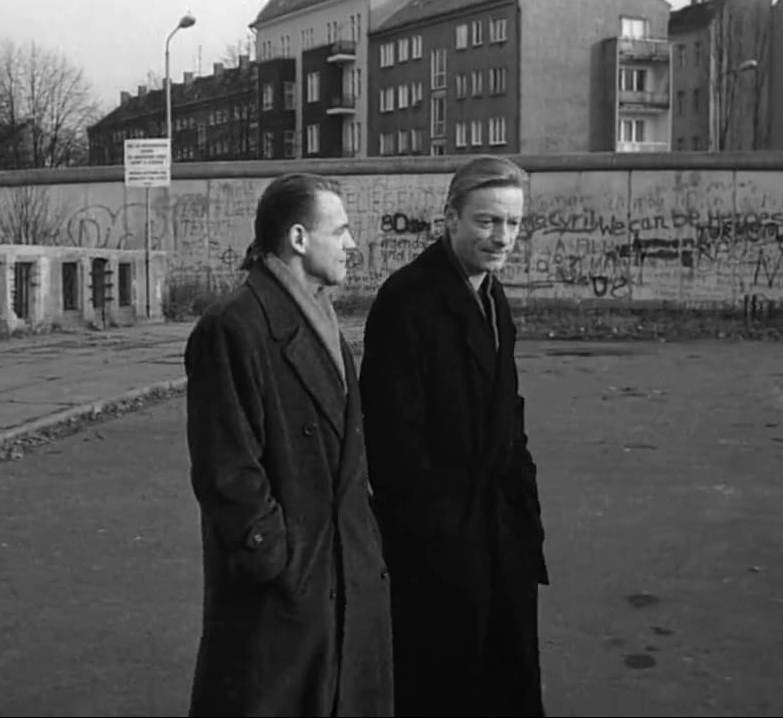

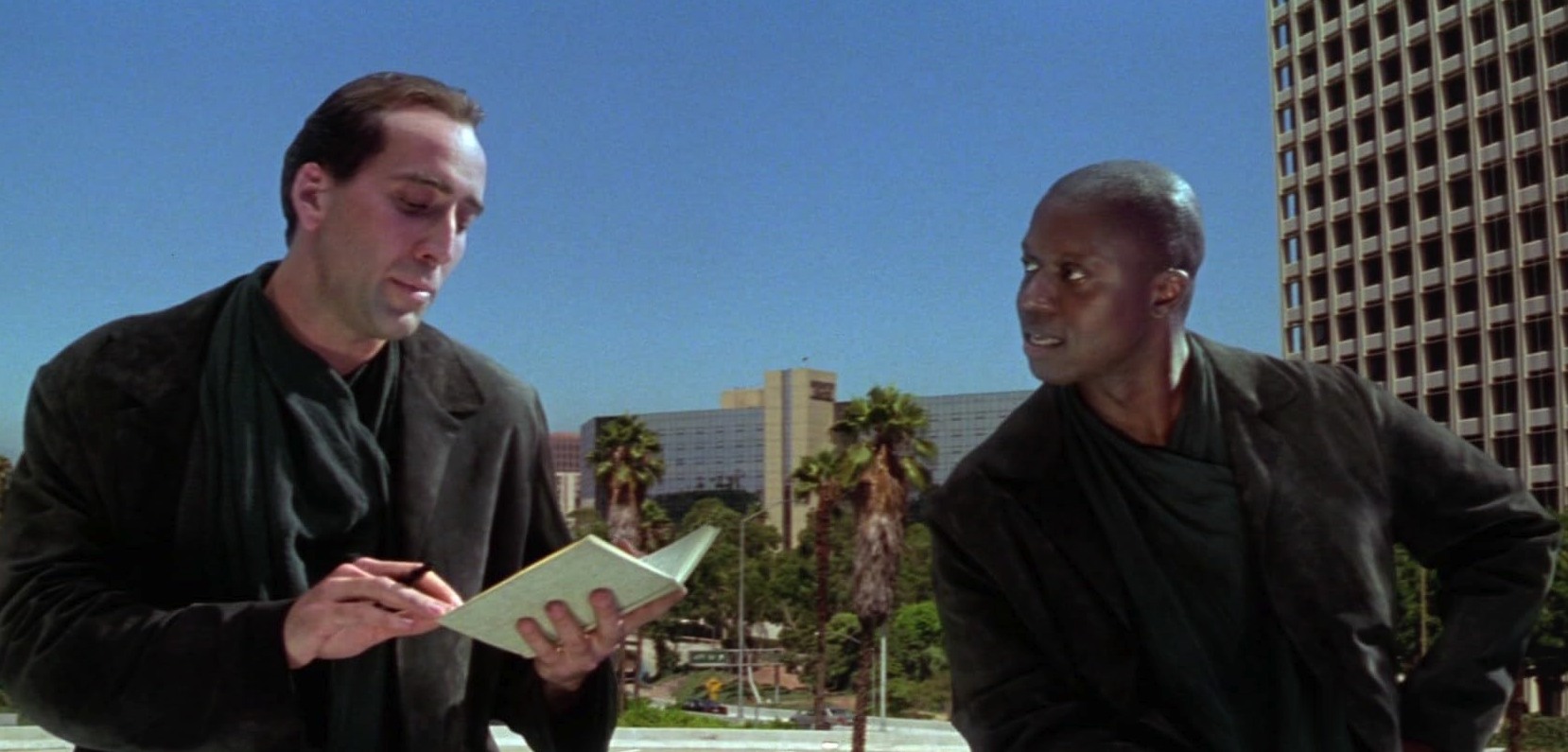
In both films, angels prefer to hang out in libraries where they can listen in as humans take the angelic characteristic of living in the world through proxy, experiencing life through the perspectives of characters and told in stories–vicariously finding emotion, feeling, and color in the imagined vs. the real life that human beings have lived and are living every day. The essence of being human, even with all its human limitations, is what drives the angels to keep watch and keep account of all that they cannot fully understand or experience.
In both films, the main character, Damiel / Seth, falls in love with a human woman, Marion (Solveig Dommartin) in WoD / Maggie (Meg Ryan) in CoA, and choose to give up their angelic position by “falling” into the world of mortals to become fully human and find and experience love with the object of their greatest desire. Both angels are educated about this process of exercising “their free will” by “converted” angels who have already made this divine to human passage, specifically Peter Falk (playing oddly himself and Columbo in WoD) and Nathan Messenger (played by Dennis Franz in CoA.)
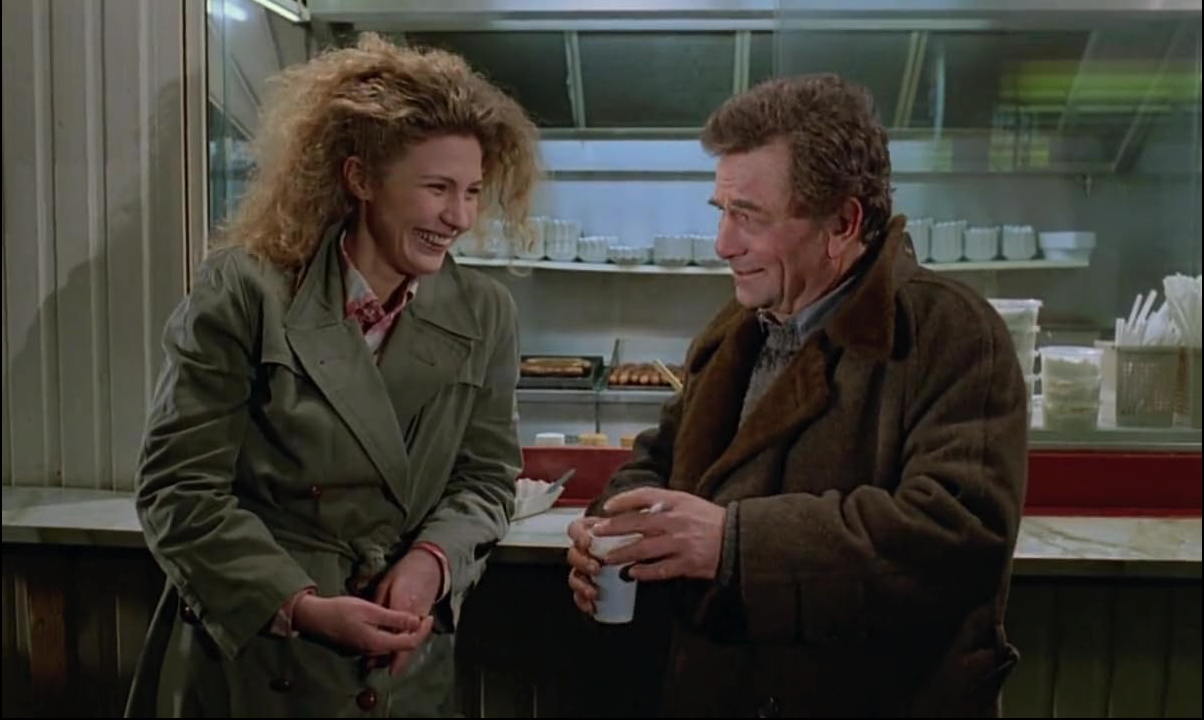
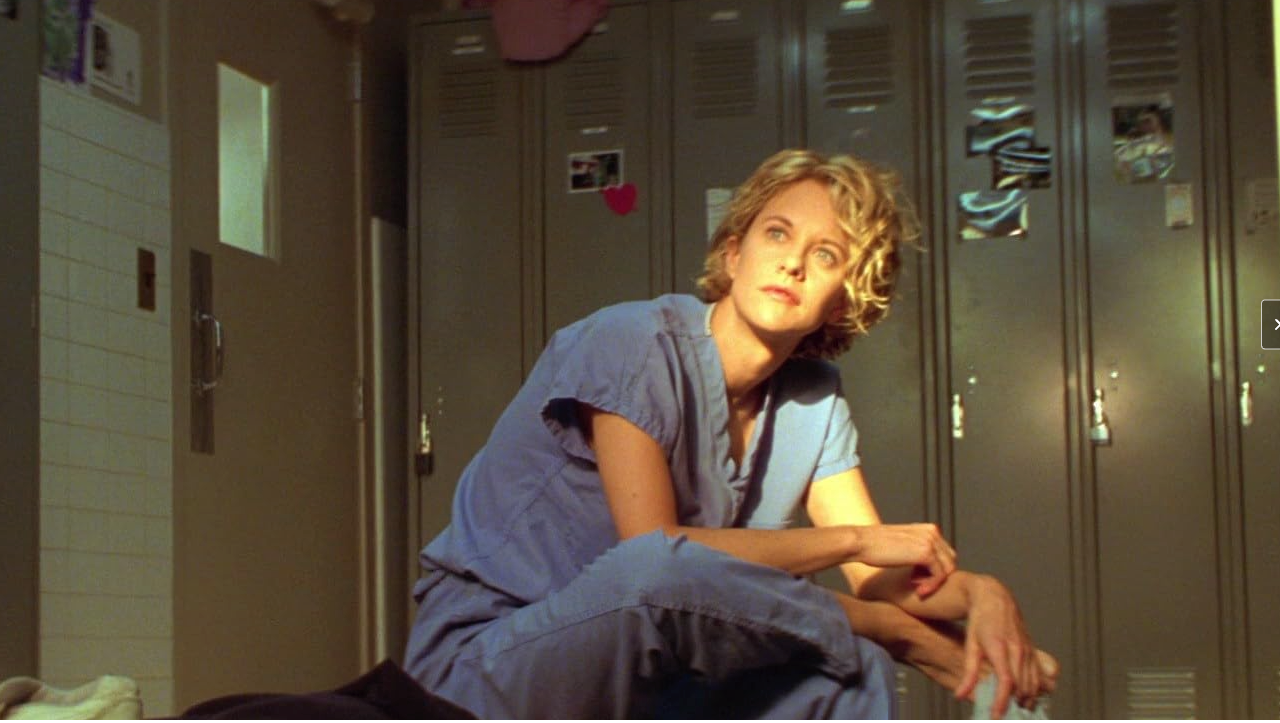
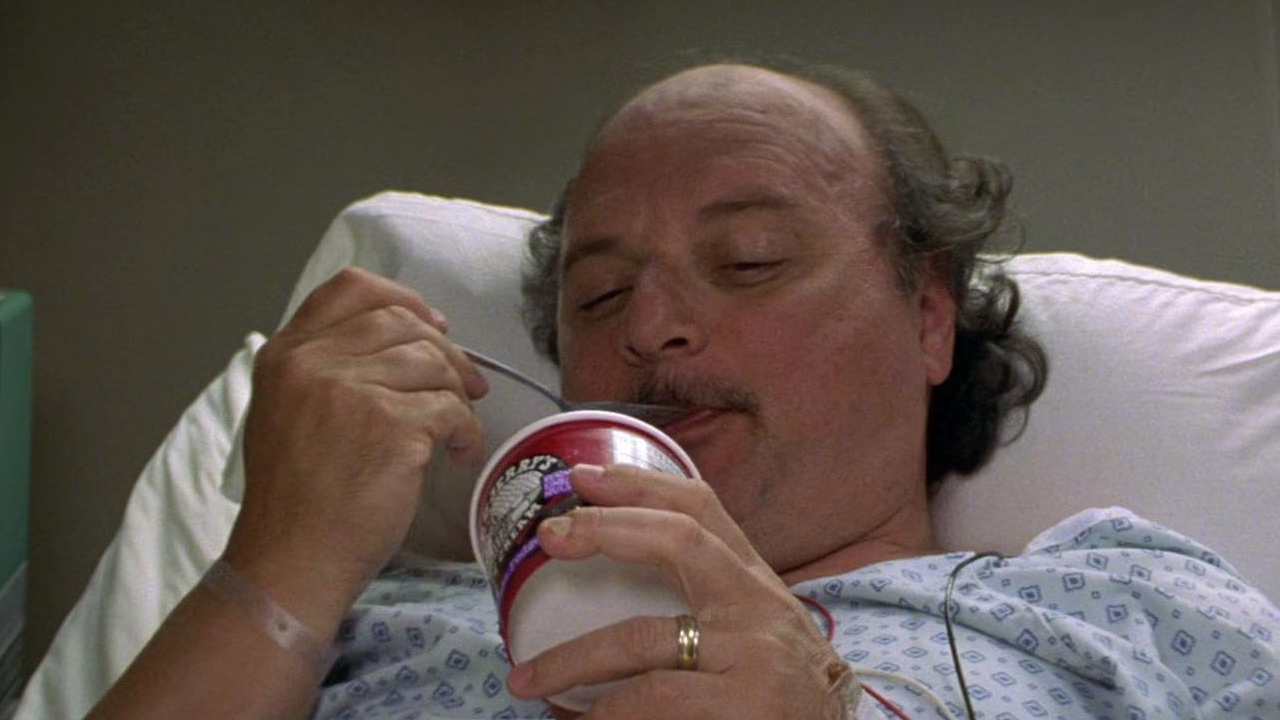
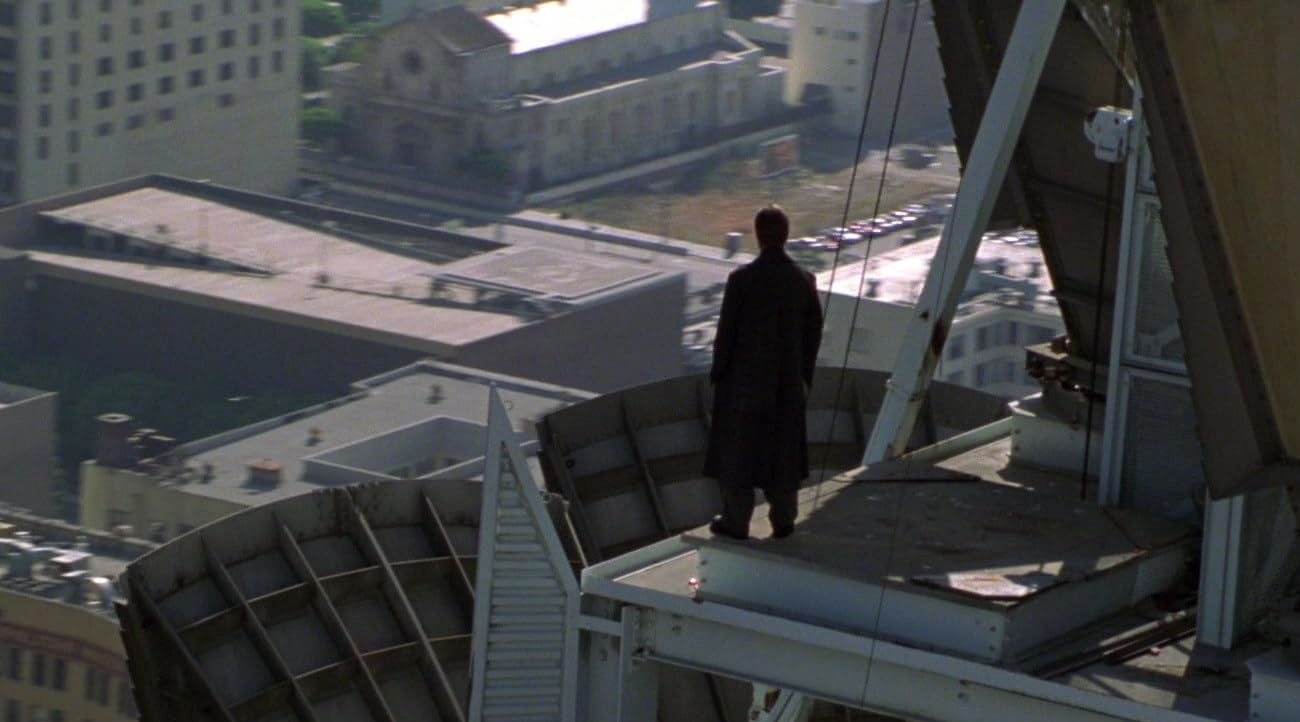
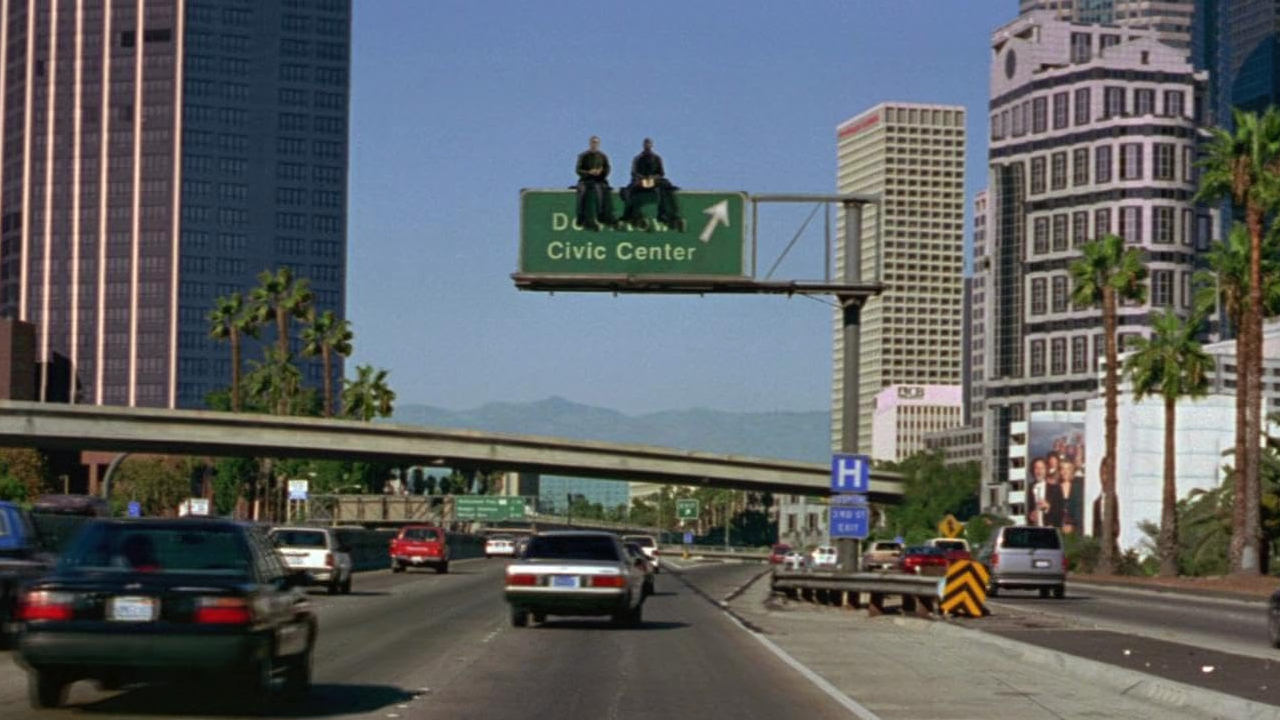
Finally, the films are similar in that both take place in large cities (Berlin and Los Angeles), both have angels preferring to perch to look down on humanity from great heights (monuments, billboards, and freeway signs) and both pay attention to the transitional complexity (and joys) of moving from a purely ethereal to a fully human existence (e.g. being fully present in the five senses; being subject to pain and bleeding; recognizing color / taste; and needing money, clothes, and daily sustenance.)
The differences
As much as the similarities are apparent in these two films, the differences between WoD and CoA are pretty stark. Wings of Desire contains an element of romantic desire and sensuality (in Damiel’s intrigue with the high flying trapeze act of Marion) but it is not really the entire point of the film; whereas the entire plot and driving storyline of City of Angels is Seth’s love and longing for a real life with Dr. Maggie Rice.
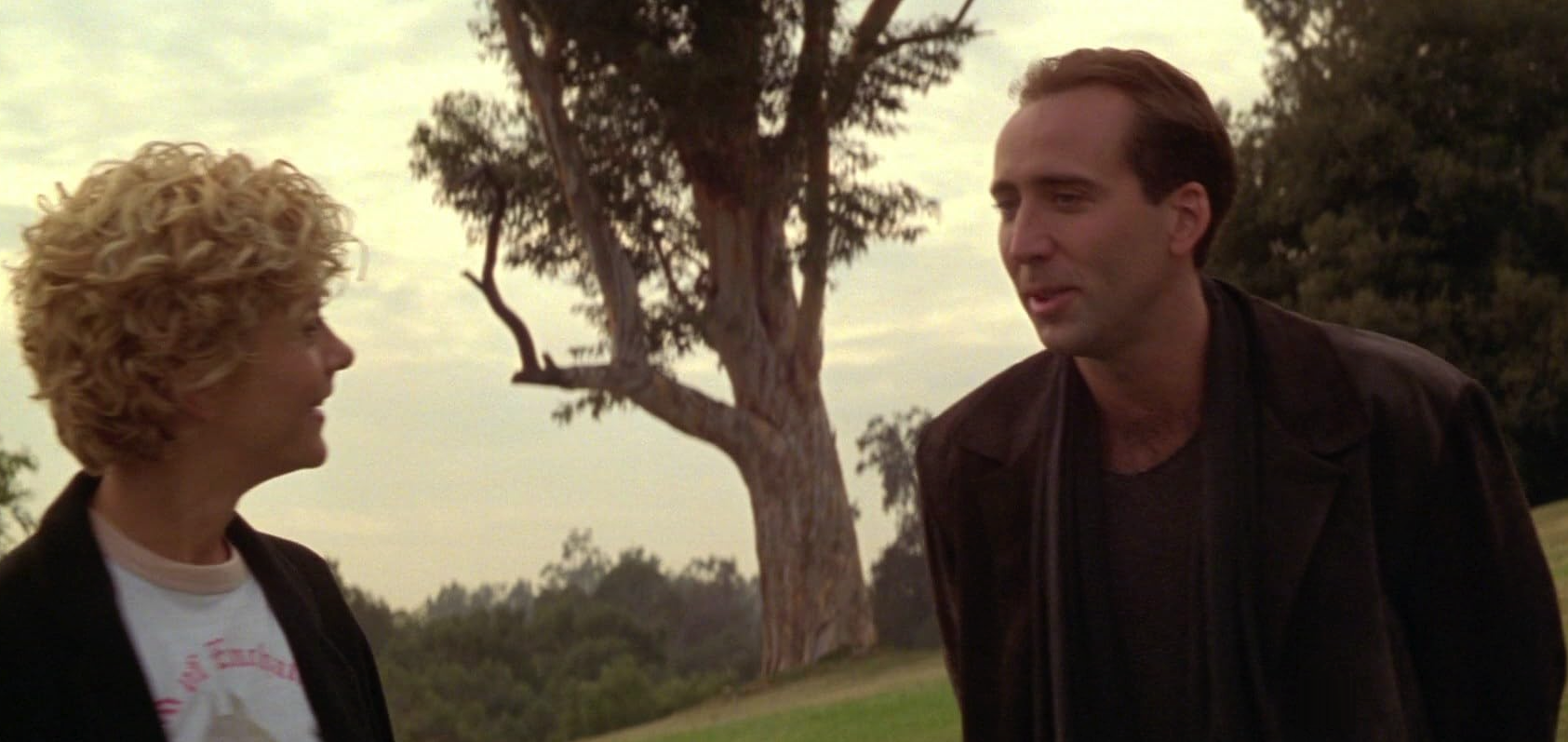
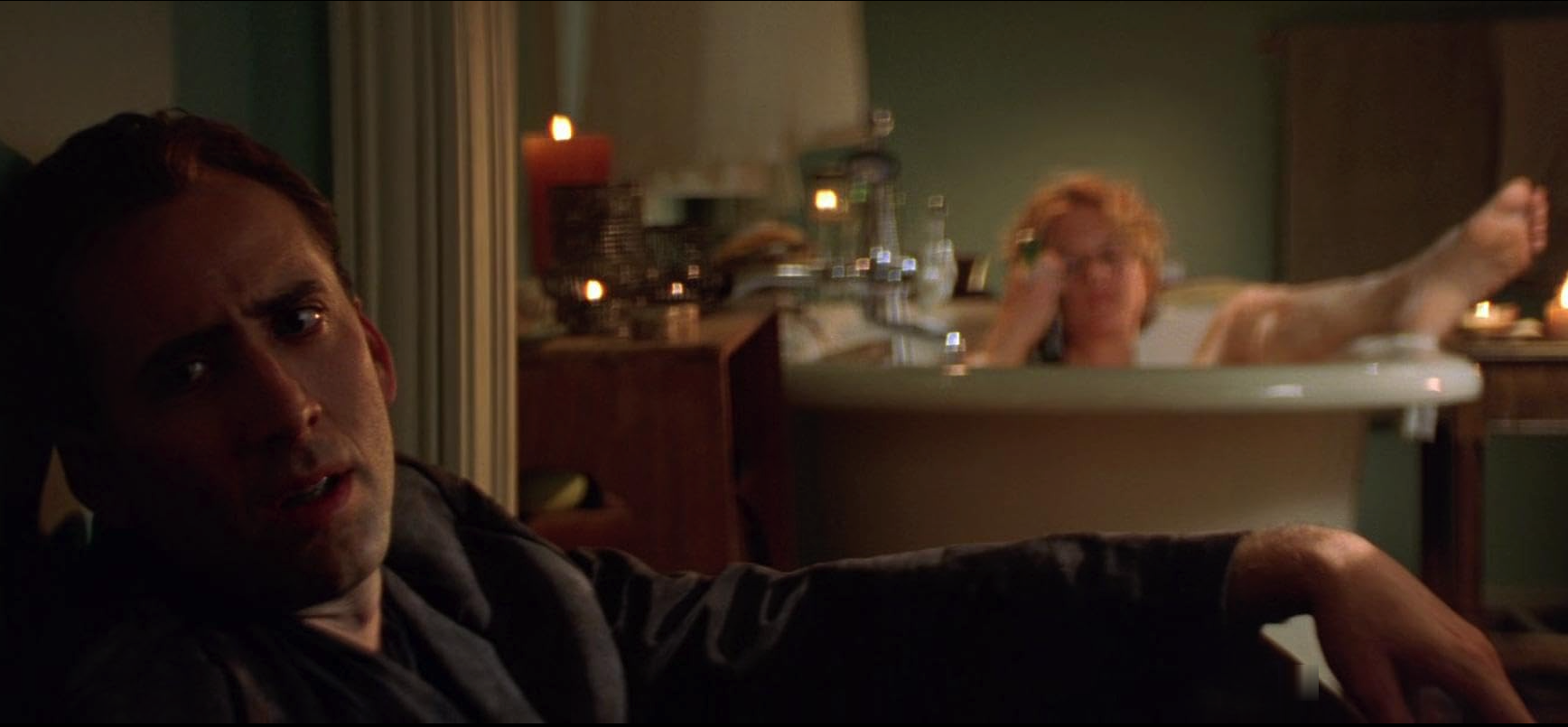
With Damiel and Marion, the two do not speak verbally until Damiel makes the “fall” from grace and shows up as a human at a Nick Cave concert; with Seth and Maggie, Seth makes regular pop-in appearances, showing himself to her and waltzing into her place of work, the hospital, the park where she walks her dog, at a mutual friend’s “get well” party, and even in Maggie’s bathroom while she’s enjoying a hot bubble bath.
While admittedly I found WoD a slow-paced arthouse film, there was some actual artistic substance and intrigue to it. Having done a little Wikipedia / internet reading, I discovered that “academics have interpreted it as a statement of the importance of cinema, libraries, the circus, or German unity, containing New Age, religious, secular or other themes.” I would add that there’s a strong humanist / existential bent to the film. In experiencing life through the multitude of stories and perspective, cinema / literature help us humans grasp at its greater significance. Vicariously, the angels addictively watch our human experience to do the same thing.
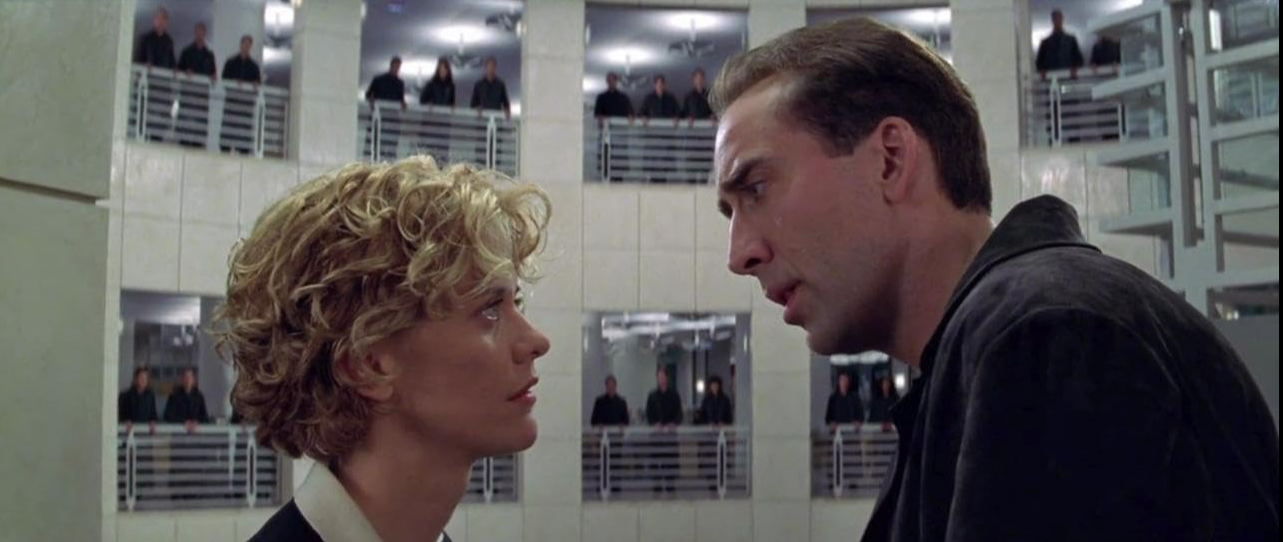
Reframing the human experience from the angels’ perspective also shows the viewer how desensitized we have become to our own glory and greatness: whether it’s in the mundane activity of reading the newspaper and drinking a good cup of coffee, or finding the wonder in a child’s eyes at the circus, to falling head-over-heels in love with a man or woman. Free will is indeed shown to be a gift–even when it carries a curse.
Other reviewers have mentioned the role and symbolism of walls / barriers being explored in the film. The biggest barrier being the wall of our own minds. Others cannot see or experience our worries, struggles, and fears, but we are trapped with them all the time. But the film also addresses the physical walls between us.
The Berlin Wall is a centerpiece in WoD, the resultant punishment and reminder of the horrors of the Holocaust. (One writer speculated that the angels are forced to watch over the city of Berlin because they did not successfully intervene and stop the human Holocaust from occurring.)
In many ways WoD takes on big themes and ideas, while still staying grounded in the small, the niche, and the quirky–for example: Columbo trying on a million hats comes to mind, or Damiel pawning his “angel armor,” and getting ripped off, so he can afford some basic human comforts after the Fall.
City of Angels does not take on such lofty themes or subject matter. Maybe because Los Angeles is a spiritual vacuum, a fantasy-dream-nothing-void world without deep historical roots or a felt history. Maybe. Whatever the reason, CoA stays well within the tried-and-true Hollywood genre of dramatic romance, occasionally dipping its toes into the comedic, before plunging headlong into the tragic.
CoA is also much more concerned with mortality: life and death. Angels are not mere observers and witnesses of humanity’s struggle; Seth and the L.A. Angels are actually the ushers into the afterlife. They show up when a “number gets called”, when it’s time for a human, whether young or old, to make the hard transition into the next life. They comfort and guide each human into the not-so proverbial light.
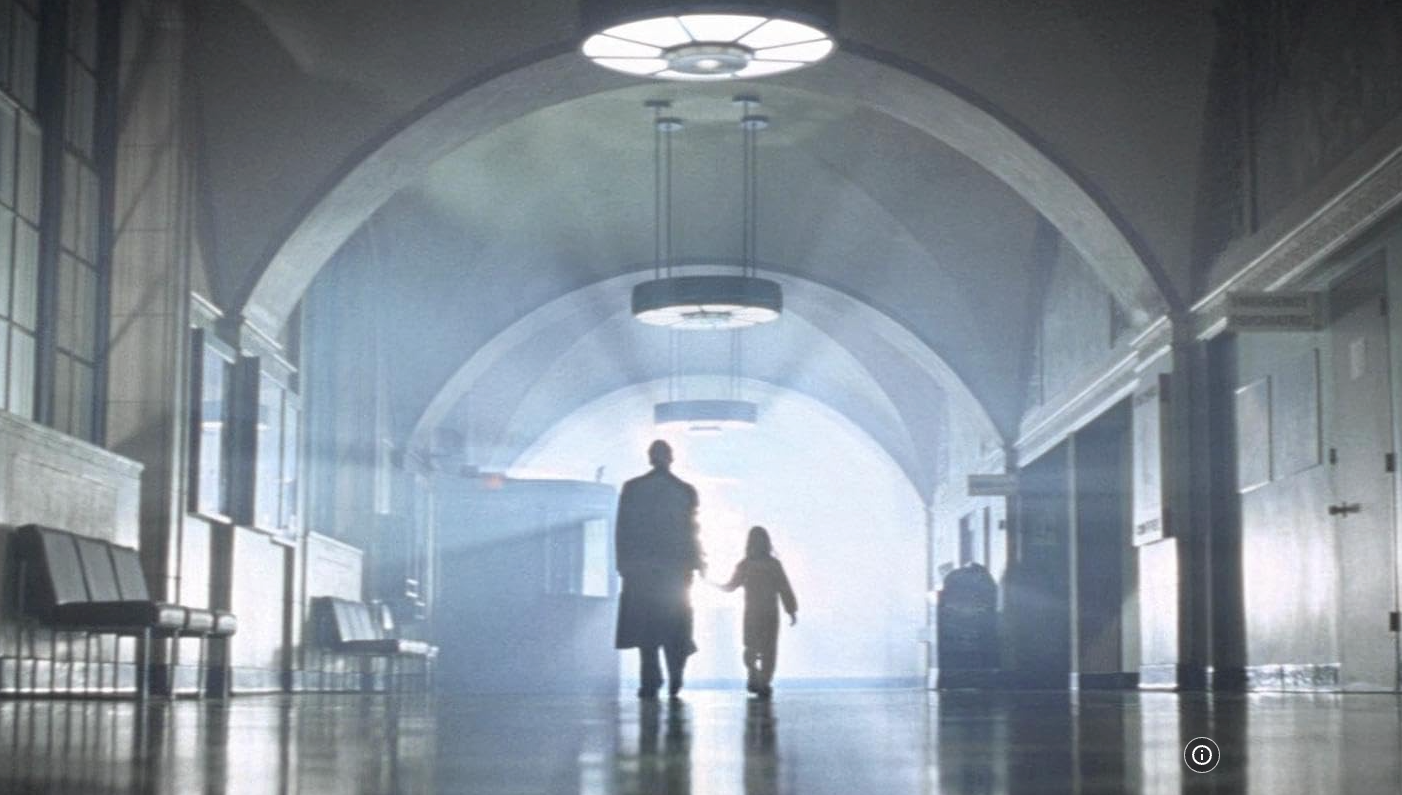
This is a big difference between these two films. When Damiel first observes Marion, she is doing her job in a playful environment, the circus. When Seth first meets Maggie, she is doing her job in an operating room where she has just lost a patient she had hoped to save. Marion’s concerns are real, as the circus is closing its doors, but they are fleeting (they circus will re-open again next year somewhere); Maggie’s concerns feel urgent and pivotal; (what if, she seems to be asking herself, her entire work and efforts cannot bring healing, but instead only the inevitability of death).
That’s not to say that WoD does not also address the subject of dying and death (e.g. there’s a shown suicide, a tragic accident, and many shots of WWII Holocaust victims interspersed throughout) but death is not the primary concern of its main characters in the same way as it is in CoA. Even Nathan Messenger (the CoA Peter Falk) the “human convert” who befriends Seth/Maggie finds himself facing the idea of dying, as he is one of Maggie’s surgery patients who seems to be living a bit too much “in the moment” and is not overly concerned with the way his diet or lifestyle is pushing him a little closer to the afterlife each day.
The ending of CoA is the film’s big “final word” on death and mortality (and biggest difference from WoD), you could say, and I am still not sure how I feel about it. Once Seth has made the plunge and becomes FULLY human, he seeks out and finds Maggie in Lake Tahoe. They experience a night of sensual pleasures, with “a whole lifetime” more in store, they sit on a dock overlooking the water and talk about all they’ll do together, and Seth has his first extremely hot shower.
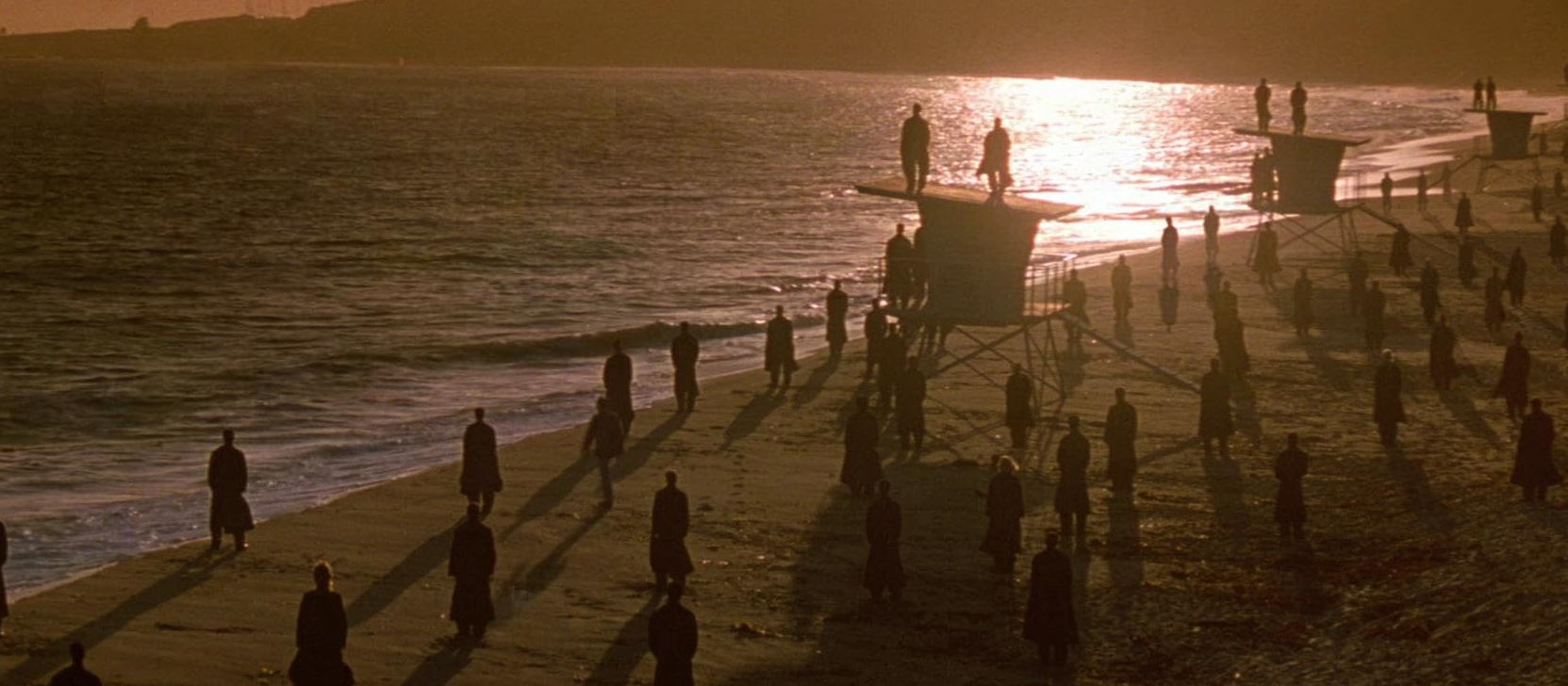
Maggie wishing to surprise Seth rides her bike to the store but on the way home (riding with her eyes closed, without a helmet and without the use of both hands!) *shockingly* gets in a bad accident with a semi-truck. Seth runs to rescue her, but it is too late. He regrets nothing, but does get a little bit testy with Cassiel / God at the end for taking his Maggie away too soon. Seth goes for a swim on Angel beach. The End.
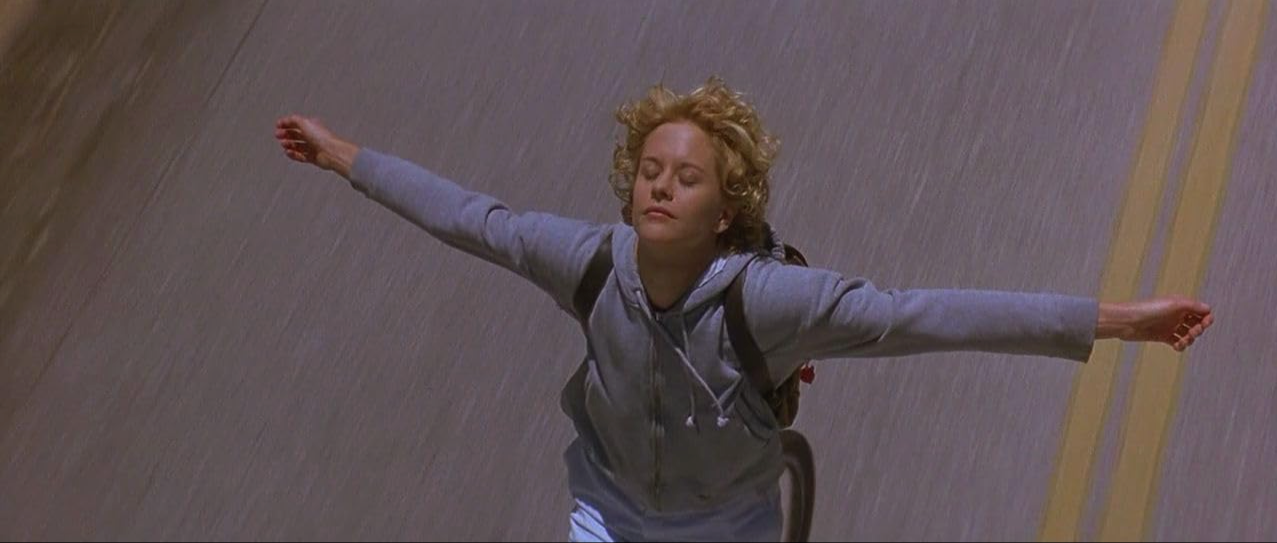

The ending was not all that surprising, but leaves an unsatisfying taste in one’s mouth after all that build up. I kind of expected a true Nicolas Cage character to turn Lucifer and fight his way to heaven to get Maggie back, but that (unfortunately) didn’t happen. (Maybe in Mandy..)The reason I am unsure about this ending is because on the positive side, you can’t have mortality without death and this was one way to depict that quick, sudden, and heart wrenching finality that all humans, even the Seth-former-angels, must go through. On the negative side, this tone felt so far removed from the original WoD and oddly so far removed from a Hollywood drama-romance, it still didn’t leave me feeling very satisfied, even if it was intellectually justified. What are you going to do? It’s just a movie after all.
Anyway, let’s FINALLY get to good stuff…
Nicolas Cage As An Angel
We’ve all been wondering when he would actually achieve deity (or near-deity status) and he does so in this film! What do I make of angels as depicted by Mr. Cage:
- Angels don’t blink. I am not sure if he practiced this. I’m guessing he did. But he rarely blinks through most of his angel scenes. It’s kind of eerie. There are a lot of shots of people’s eyes in this movie. The windows to the soul I guess.
- American angels do not have little pony tails. Puh-lease. As if. If they’d wanted to take on that Euro-trashiest of styles, they would have cast Steven Seagal in this role. No thank you!
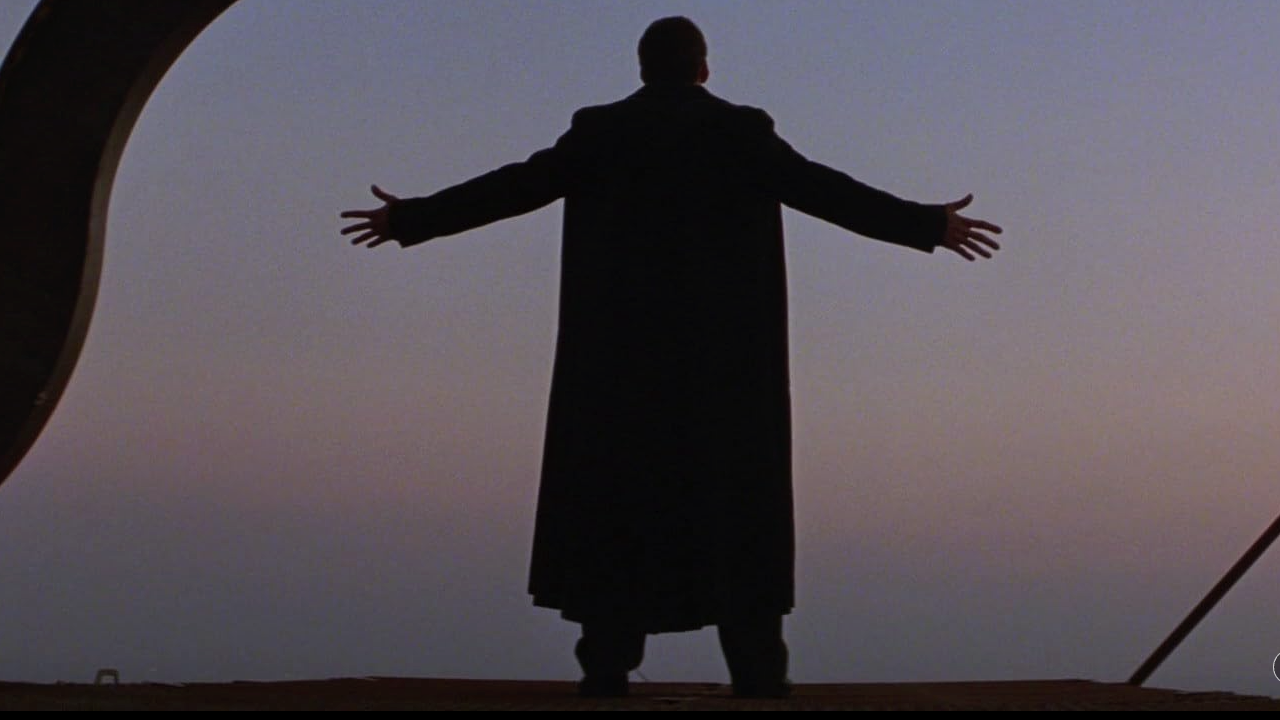
- Angels (regardless of location) do wear trenchcoats. Must be a moisture wicking thing that comes in handy in the clouds.
- Angels don’t have wings. At least not that we can see. They teleport through solid objects instantly.
- German angels don’t see in color, but I guess American ones do. This was one way to determine when Damiel had crossed over to human. He asked people to describe a whole bunch of colors to him.
- Angels do have Wolverine blood. They evidently heal quickly and/or have skin that cannot be pierced. The best scene of the entire movie was when Seth cuts off his own thumb while making a salad. Maggie notices this (suspecting he might not be human at this point) and slices him across the palm–just to make sure. But no blood, no wound. Like Wolverine!
- Angels do talk in a whispery monotone. I guess this is meant to be comforting, but it felt a bit weird to me. I know Cage likes to work his magical “nouveau shamanic” style of acting with voices and expressions, but this one felt off to me. Thankfully, he more than made up for it by going so “over-the-top” with expressiveness after he became human. Like most Nicolas Cage movies, you have to “wait for it…wait for it…wait for it…” And then WOWZA, it all makes sense and was worth the shenanigans!
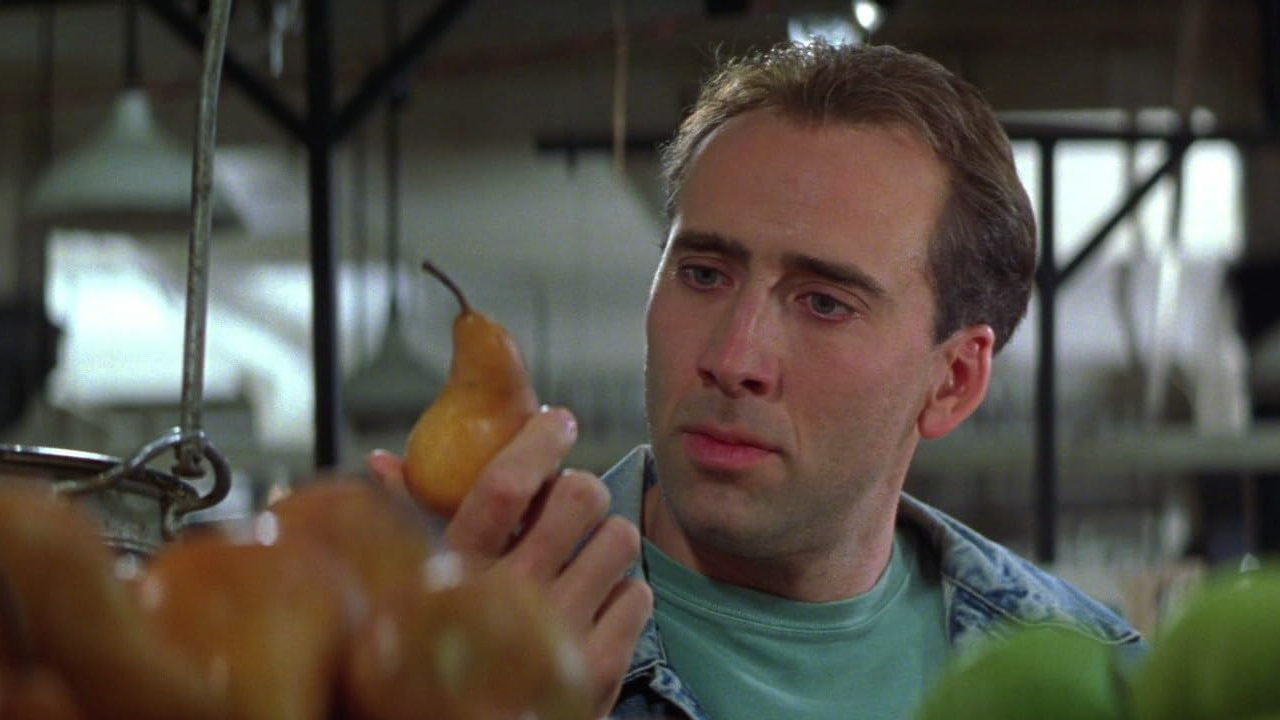
- Angels do look a lot like us. Yes, that receding hairline is really becoming more pronounced and Nic is not doing much to hide it. Unlike the biblical representation of otherwordly beings, there were no lion’s heads, no swords coming out of mouths, no million eyeballs fluttering amongs thousands of wings. Just an Italian dude with a high forehead and some acne scars on his neck. “Just a slob like one us.”
Maggie Was Way Too Trusting
If there’s one other thing about City of Angels that just felt VERY VERY OFF to me, it was the way that Dr. Maggie Rice responded to basically being stalked by an angel. Here’s the evidence:
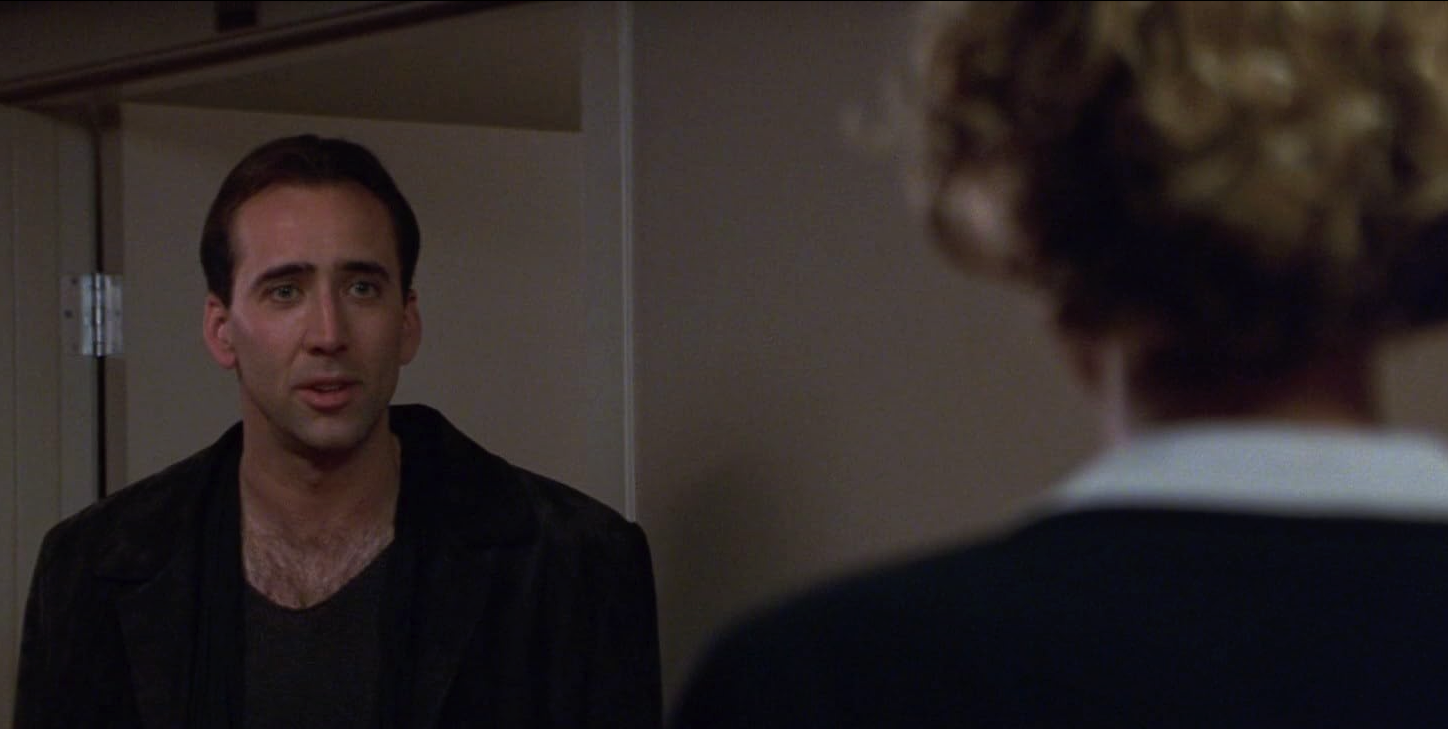
- Seth shows up at the hospital in a pretty abandoned hallway saying to Maggie (the very first time they meet) that he wants to “visit” her. Creeper much?
- Seth claims to know her first name from her name tag, but later when she realizes the tag only shows her first initial, she thinks it’s…what…cute? A good guess? Nope, stalker behavior.
- Maggie finds a book in her house Moveable Feast and thinks her boyfriend left it there for her. When she discovers he did not, she goes to research the book at the local library. There she happens to meet / see Seth at the very Hemingway section where the book was checked out from. Put two and two together, lady! She doesn’t think these things are connected?
- Maggie lets a guy she’s just met and knows nothing about touch her palm while her eyes were closed, at his request. Uh-uh. No woman has ever done this.
- Maggie answers questions about her boyfriend (posed by this same virtual stranger Seth) and whether or not she loves him. Because why?!? Because he just asked. Nope, not buying it.
- Maggie lets a guy named Seth who wears the SAME clothes every day (which she has noted) smell her hair while she is trying to show him something in a microscope. Ok, this is officially a serial killer. Not a potential love interest.
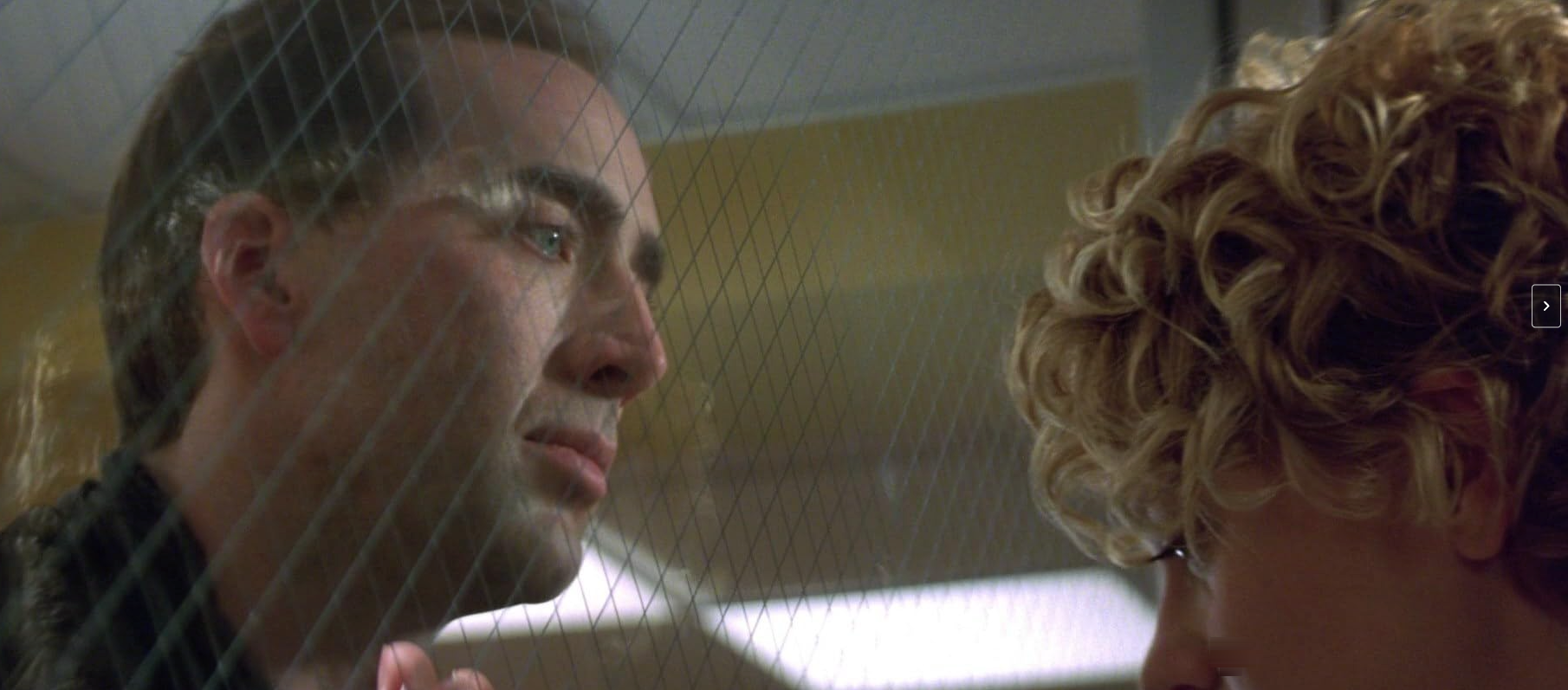
Bonus oddity: Look who showed up as a mere mortal construction worker in this movie…

It’s Nick Offerman and his one line was, “Is it red?” Responding to Seth’s question about the liquid oozing from his hands, “Is this blood?”
First for a Nicolas Cage cage character as Seth
- Celestial being who becomes mortal
- Sitting on a highway sign
- Sitting on the top of the Marlboro man.
- Woos a girl with Hemingway book
- Cuts his thumb off
- Gets cut by a woman
- Gets called a Freak!
- Hitchhiking
- Gets shoes stolen
- Loses of a love tragically (?)
- Buying a whole grocery cart full of pears
- Body surfing in the Pacific (fully clothed)
- Time appearing in a re-make of a movie (not counting Fire Birds)
Recurrences
- Gets slapped by a woman (Multiple)
- Gets jumped by some street thugs (Wild at Heart, Con Air)
- Jumps from a high building (Birdy)
Best Quotes from Nicolas Cage as Seth
“Do you ever wonder what that would be like? Touch?”
“What if I just make her a little pair of wings out of paper?”
“Some things are true whether you believe in them or not.”
“You’ve definitely been beeped.”
[When trying to prove he’s lying to her Maggie asks, “Well, what’s your last name?] “Plate.” [Seth Plate.]
“Down and down and down and down I go. Round and round and round and round I go. Round and spin. Love is the spin I’m in. That old black magic called love.” [Seth with some epic dance moves to match the sing-song monologue of becoming a human.]
[Maggie asking Seth about what his real time impressions of sex are, ‘What does it feel like?’] “Warm. Aching.”
“I would rather have had one breath of her hair, one kiss of her mouth, one touch of her hand, than an eternity without it. One.”

Conclusion
I’m not entirely sure what Amy Grant would think (or thought) of City of Angels. Maybe she saw it and actually loved it. Maybe she overlooked it’s gaping theological flaws, or its bitterly tragic ending. Maybe her and Meg Ryan go out for margaritas every Friday night and have for the past three decades. Whatever is true about the Queen of Christian pop, and however she felt about this shaky remake of Wings of Desire, I’m sure she appreciated the City of Angels soundtrack at least, and actually prayed that her song Angels was one of the tracks selected for its release. I am pretty sure this is true and I believe it whether you do or not, because as the angel-version of Seth reminds us all:
“Some things are true whether you believe them or not.”

 yeti speak...
Leave a comment