I’m not going to lie. It’s difficult to write about a film about a mercenary arms dealer at the current time–with the political climate being what it is in the world. So much death and human suffering, over what: some lines on a map, natural resources, nationalistic pride and propaganda, hatred and fear?
I kind of wanted to skip this one altogether. But the rules prevent it.
So I’m going to try to keep it as simple as possible (very black and white) because any rational mind, that takes a step back from all the human complexity and the gray ethical gymnastics, can see that weapons of mass destruction (from rocks to AK47s, from heat guided missiles to nukes) are all evil and their use cannot be justified. Killing is killing is killing. And it’s an endless cycle and it’s human shame splattered in the blood of children.
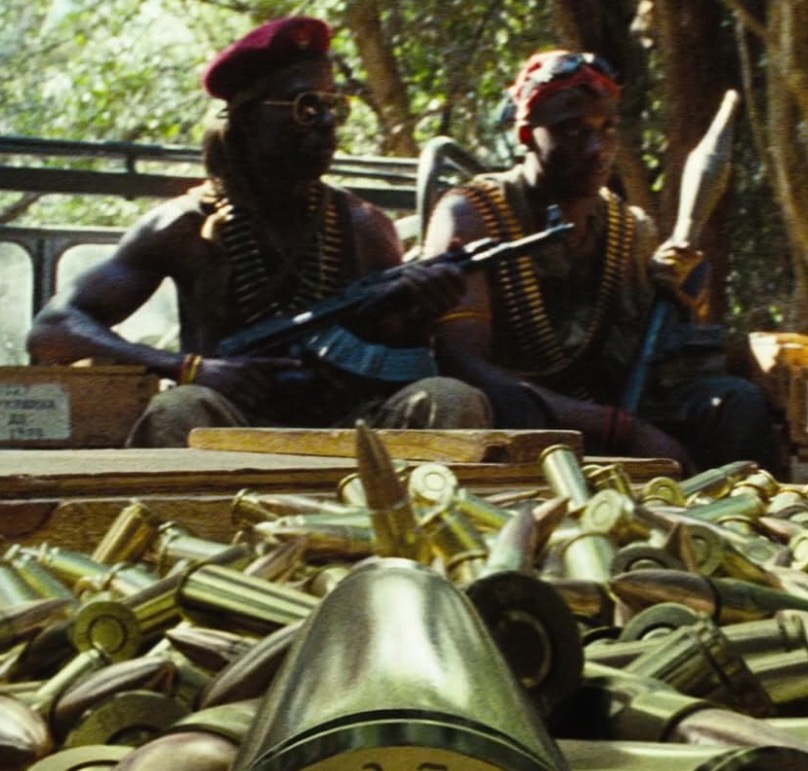
As interesting as Yuri Orlov’s story might be, it’s a tragically evil tale and I don’t want to spend much of my energy, time, or creative juices giving any credence to what the film represents. Not right now.
The World According to Yuri Orlov (the black and white of it)
Lord of War (2005) was written and directed by Andrew Niccol (who also directed The Truman Show, Gattaca, and The Terminal). The movie was pitched as “a Goodfellas in the world of arms dealing” and was perhaps based loosely on the real life activities of the criminal arms dealer, Viktor Bout, a.k.a. the Merchant of Death.

In order to make the movie, Niccol purchased 3,000 Kalishnikovs while filming in the Czech Republic, because it was cheaper to buy real weapons there than buy props. After the shoot, Niccol later destroyed half of the weapons, but due to tight budgets sold most of them back at a loss. He also borrowed a line of tanks for filming, but was only able to use them on a restricted timeline, because the owners said they needed to be sold to Libya on a specific month.
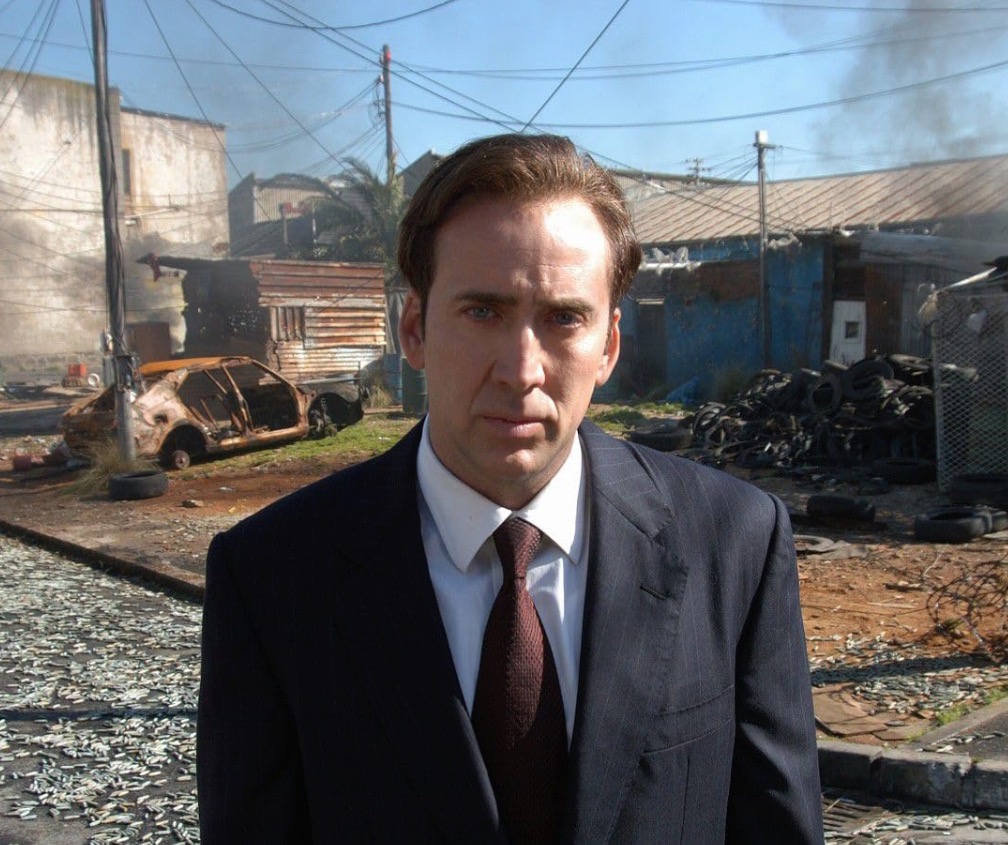
If this is starting to disturb you, as it did Niccol, then you are beginning to understand the world of Yuri Orlov–the same world in which we are all currently living.
Yuri (played by the Nicolas Cagiest of Nicolas Cages) is a bad guy. Don’t be fooled by the illusion of his humanity. He’s a scumbag through and through. Here’s just a few of his own words to prove my point:
Standing in a sea of bullets and casing, he says, “There are 550 million firearms in worldwide circulation. That’s one for every twelve people on the planet. The only question is: how do we arm the other eleven?”
“Every day there’s people shooting each other. You know what I do when I see that. I look to see what guns they’re using and I think to myself, ‘Why not my guns?’”
“I was an equal opportunity merchant of death. I supplied everyone but the Salvation Army.”
“They say evil prevails when good men fail to act. What they ought to say is, ‘evil prevails’”.
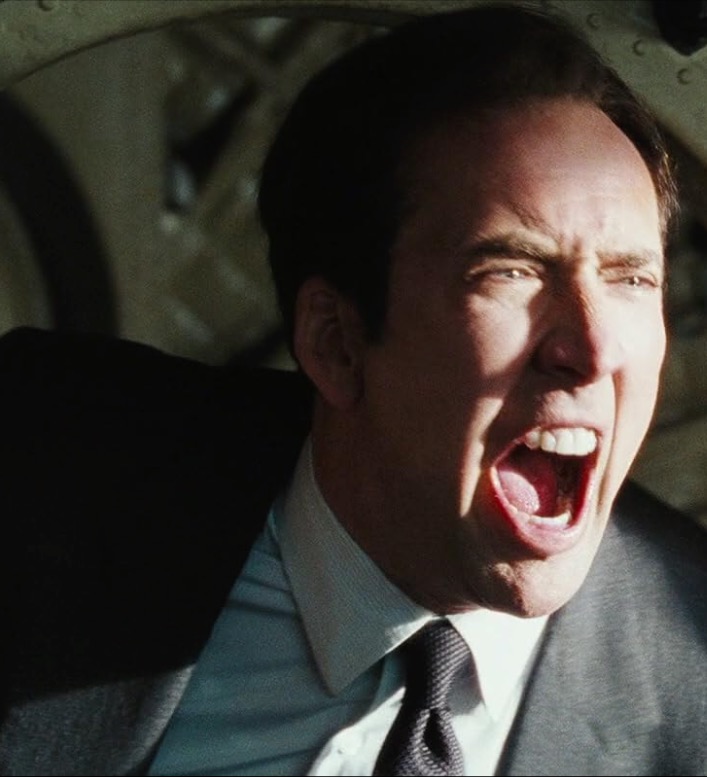
Yuri is self-serving, avaricious and morally bankrupt pretty much from the very beginning of the film. Son of Ukrainian immigrants, he grows up in Little Odessa in New York with his parents and younger brother Vitaly (played by Jared Leto) who runs the family restaurant. It’s in Brooklyn that Yuri first witnesses gun violence (via Russian / Jewish mobsters) and is attracted to the idea of harnessing other people’s violent tendencies for his own personal gain. After selling his first package of arms, a case of Uzis to some Lebanese killers, he sets his sights beyond the U.S. (where guns are too readily available to be highly profitable) and enlists his younger brother to join him overseas as he sets out to establish his arms dealing business.
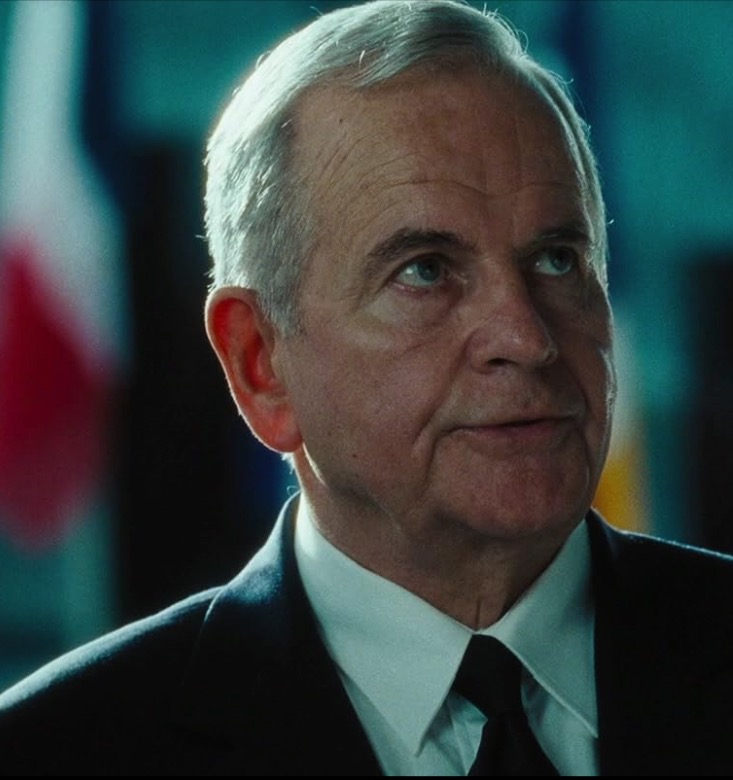
Getting into arms dealing is a difficult business. He runs up against the establishment types, career military and political players as represented in Simon Weisz (played by Ian Holm) who look down their nose at Yuri for merely trying to buy and sell guns on the black market (and not for governments?) Weisz turns Yuri away as an amateur, so Yuri and Vitaly must work behind the scenes as underground arms dealers–scavenging on the remains of dissolved wars and doing backroom deals for machine guns in dirty forgotten and volatile locations around the globe.
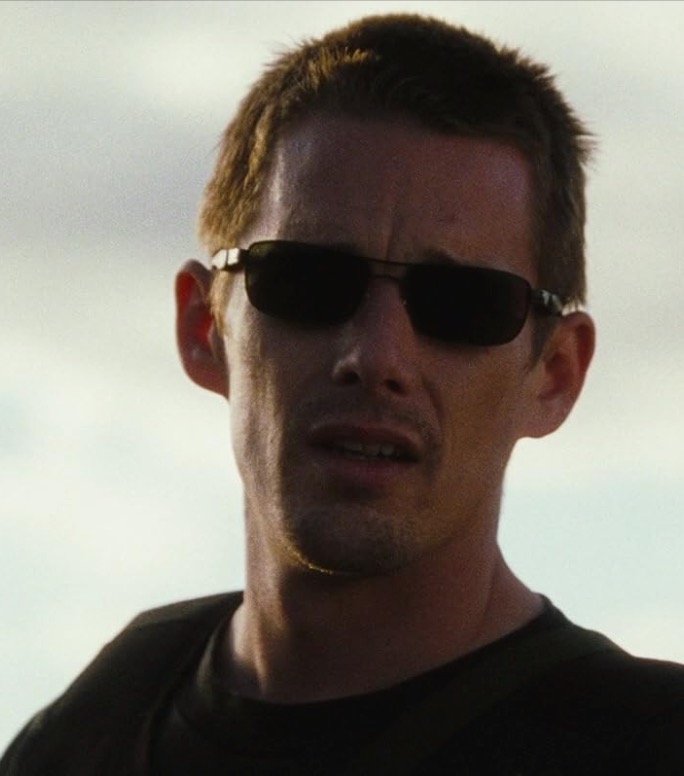
Interpol agent Jack Valentine (Ethan Hawke) begins to doggedly pursue Yuri, but Yuri finds clever ways to hide his movements, conceal his transactions, and grift, bribe, and finagle his way to greater and greater success at his craft.
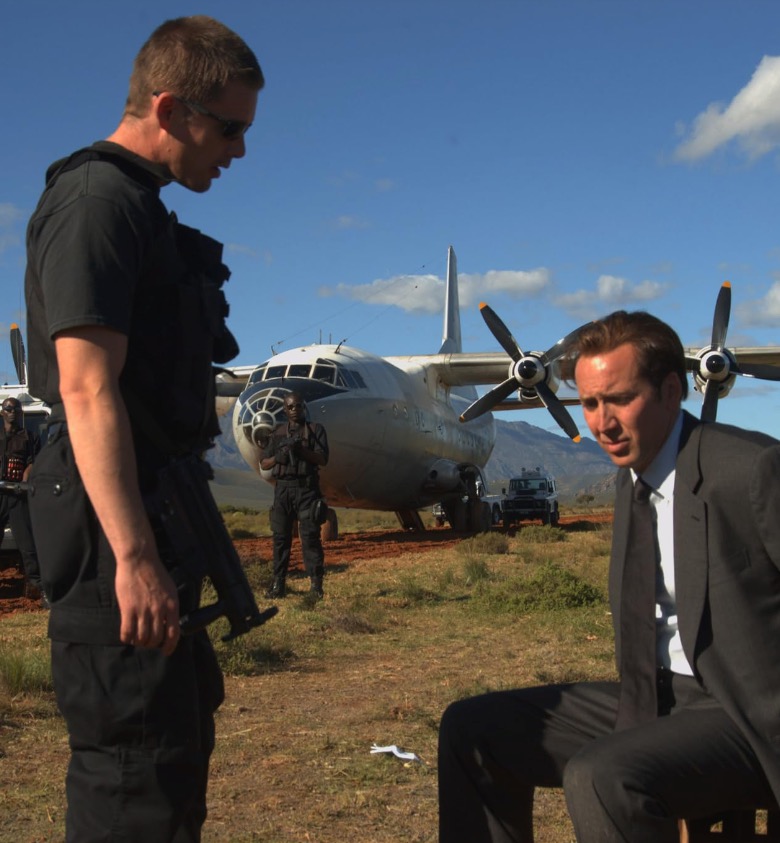
Yuri is selfish and uncaring. Although he claims to not understand his brother, Yuri continues to put Vitaly in harm’s way in order to grow his business. The obvious dangers are physical, but the less obvious mental and psychological dangers are the ones that Vitaly falls victim to. In one scene Vitaly voice’s an explanation for his unease, “Be careful, Yuri. Those things you sell kill. Inside.”

As the reality of their weapons trade and its consequences on human lives weighs upon him, Vitaly turns to addiction (cocaine, alcohol, and hookers) to numb his conscience and his pain. Yuri watches his brother begin to unravel and drives him to rehab on multiple occasions, but always gives him a “bump” or the funds he needs to keep destroying himself. In the one scene where he actually confronts Vitaly, the best Yuri can do is ask him five or six times repeatedly, “Why?” and then, “Why are you so fucked up all the time?” When he receives no response, Yuri dismisses it because he knows the answer, but doesn’t want to take any blame or accountability for it. It’s easier for Yuri to claim ignorance than take responsibility for how he is destroying his brother.

Yuri is manipulative and selfish. If Yuri desires anything beyond power, influence, and riches, it’s the love of his childhood crush turned super model, Ava Fontaine (Bridget Moynahan). She’s always been way out of his league in life, until he earned the gun-money and wherewithal to put himself in a more favorable light. When he has the money, he sets her up by booking a fake $20K photo shoot on St. Bart’s. He rents the entire hotel for another $10K and books a private jet so that he is the only person in her immediate proximity. As a pretty cardboard, kinda dense character, Ava, falls for Yuri’s romance (and somehow doesn’t see through his ruse.) Yuri wins her over with lies and keeps his real lifestyle a secret from her as well. Ava says, “This is no accident, is it, Yuri? It feels like fate.” Big groan from me.

On one hand we’re supposed to believe she’s not a superficial gold-digger (because she’s sweet and her parents died and she’s nice to look at) but on the other hand, how dumb can you be? Every lame excuse and platitude he offers, she swallows: hook, line, and sinker.
As the movie progresses, Ava finally grows some moral fiber (but sadly no acting skills) and begins to question where the money is coming from and what kind of man she has actually married. “I have failed at everything,” she tells Yuri. “But I won’t fail at being a human being.” Big gag. Such awful dialogue.
In the end, much like other Mafia / crime movies, she is Yuri’s downfall. She uncovers his hidden lair (shipping container full of passports, money, guns, her artwork, and all the lies) and then turns him over to the authorities.
Yuri is deluded about his own moral depravity.
What’s most tragic, or cynically expected, about Yuri’s character is that he fails to see his own delusion. He somehow believes in the superiority of his Darwinian approach to life–that he exists on a plain above the moral questions. He says things like “You know who’s going to inherit the earth? Arms dealers. Because everyone else is too busy killing each other.” Or, “You call me evil. But unfortunately for you, I’m a necessary evil.” Yuri literally sees himself as the “gun” and not the person holding the gun.
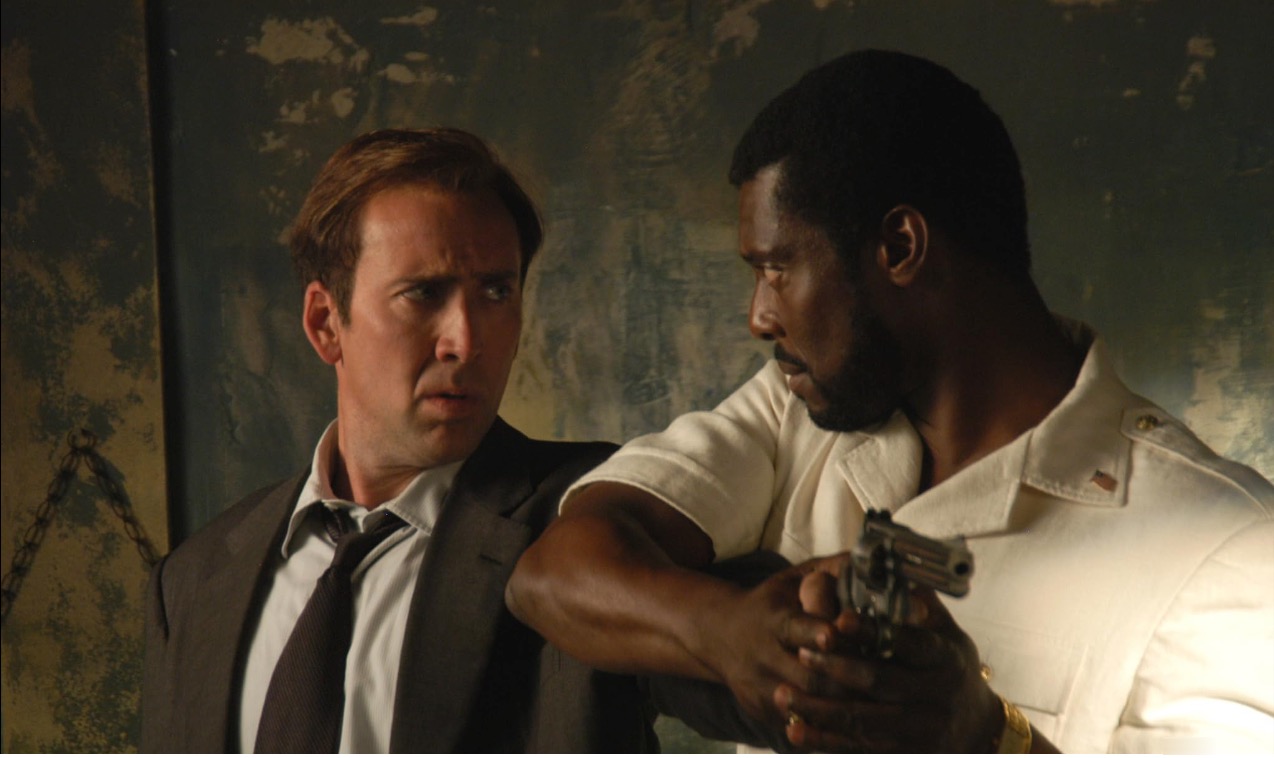
Nothing paints this picture more vividly than the scene with the Liberian fascist and sociopath (aka “freedom fighter”) Andre Baptist Sr (Eamonn Walker) and Weisz. Baptist, the devil in Yuri’s bed, has captured Yuri’s “enemy” and arms dealing competitor and provides Yuri with the opportunity to take vengeance on him by killing him. Yuri doesn’t want to get his hands dirty that way. But Baptist makes Yuri hold the gun with him and tells him that he can “stop it anytime” by simply saying the word. Yuri hesitates as Baptiste pulls the trigger with Yuri’s finger, putting a bullet in Weisz head (killing him). As Weisz’ brains splatter on the window, Yuri’s whispers “Stop.” a full second too late.
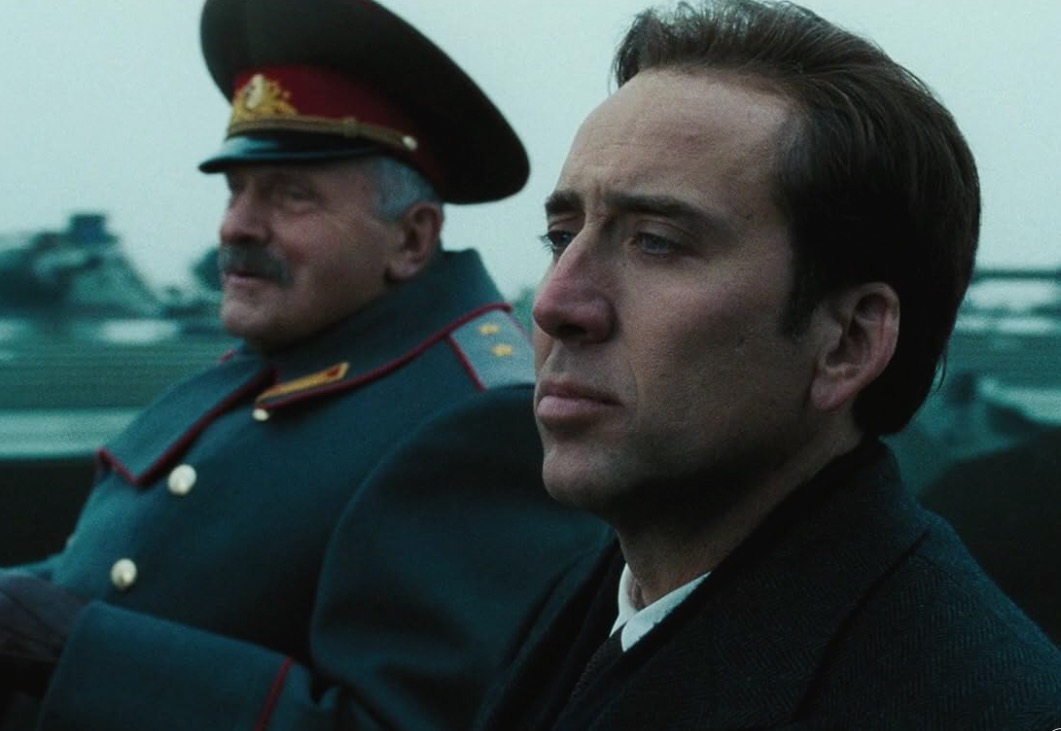
This is not the first death Yuri seems directly responsible for, and it won’t be his last. Yuri’s relationship with his Uncle Dmitri, a Ukrainian Major General in post-USSR, puts Dmitri in the cross-hairs of Yuri’s enemies. Dmitri’s life goes up in flames in a car bombing that was meant to kill Yuri. This death sorta disturbs Yuri, but doesn’t dissuade him from pulling his bro Vitaly out of his newly discovered sobriety and into another arms deal that would go very wrong for both of them.

In this final act of damnation, Yuri pushes Vitaly to accept an arms deal that would end in a refugee genocide right before his eyes. When Vitaly realizes his brother won’t stop it from happening, he takes matters into his own hands and throws a grenade into a transport vehicle blowing it to smithereens. The freedom fighters fill Vitaly full of lead, even as he attempts to blow up the second vehicle. Yuri is emotionally devastated at his brother’s act of defiance, but also business-minded enough to stop him from blowing up the last of his “product” which he trades in for diamonds once again.
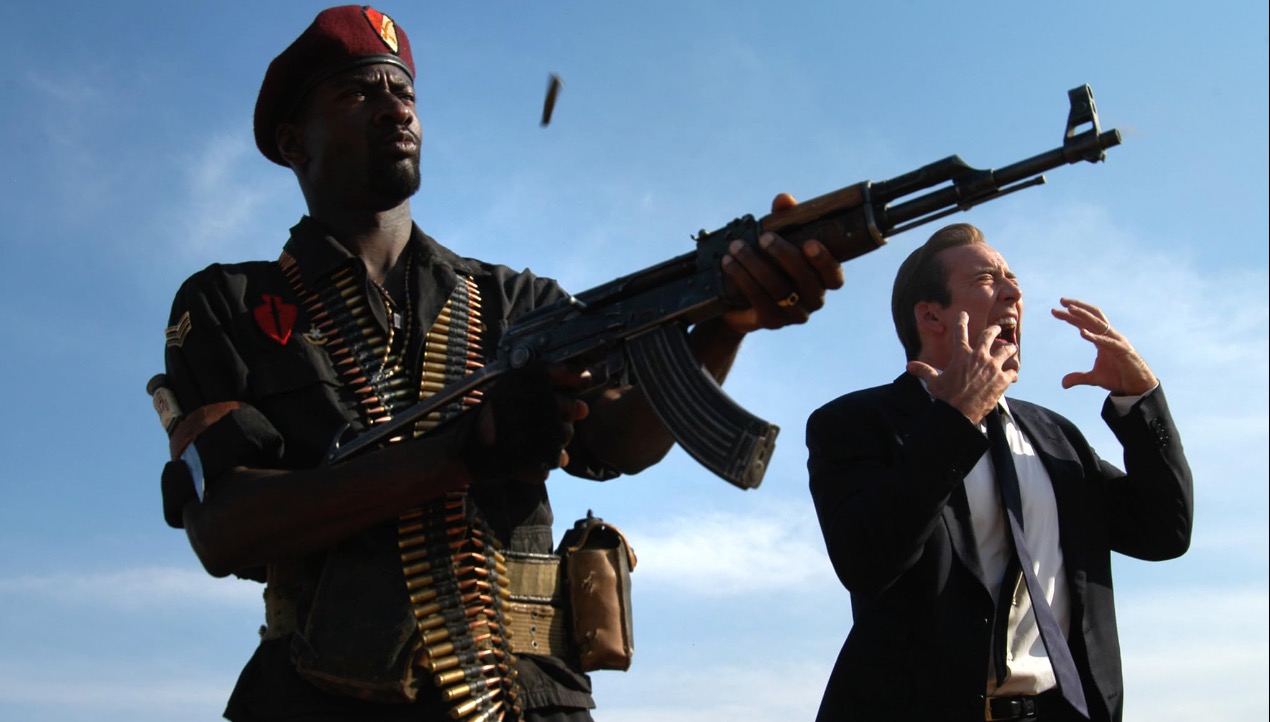
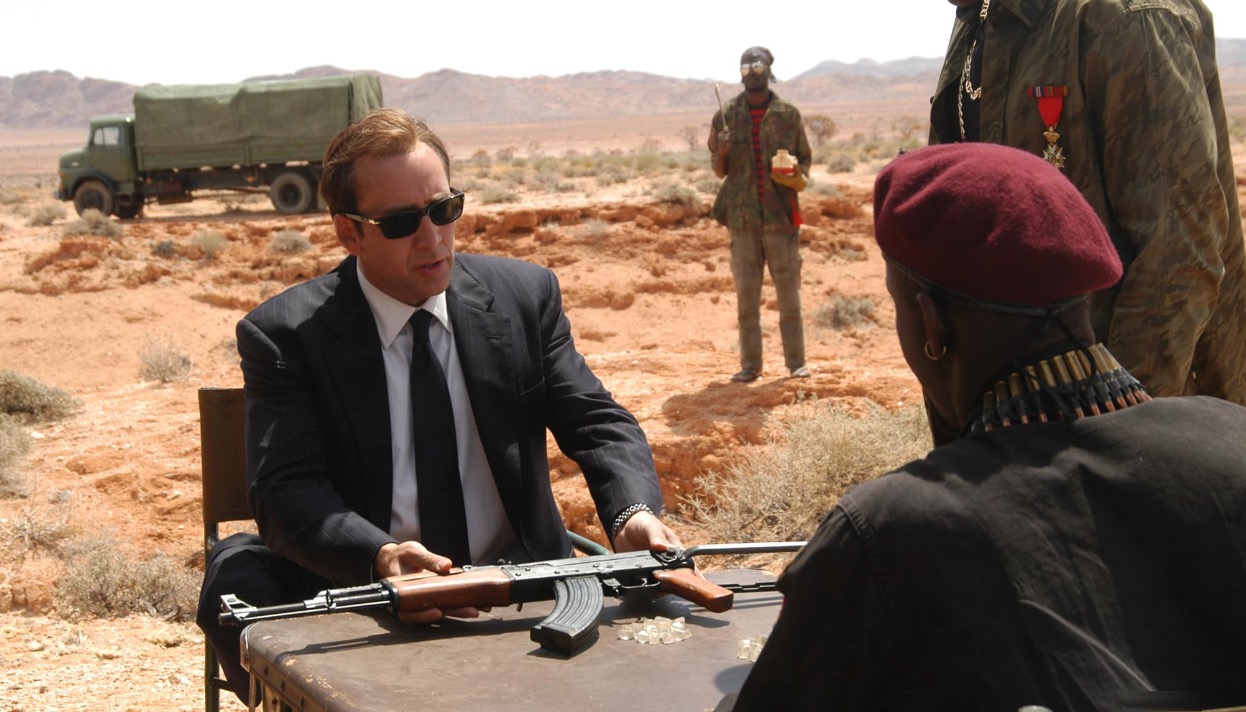
Yuri is evil, but he’s not wrong.
Bringing home his brother in a casket was never part of Yuri’s plan. By the end of the movie, Yuri’s wife has left him, his parents have disowned him, and thanks to a “too cheap bribe” to a doctor in Africa who failed to remove a bullet from Vitaly’s dead body, he’s been apprehended by Interpol for the death of his brother.
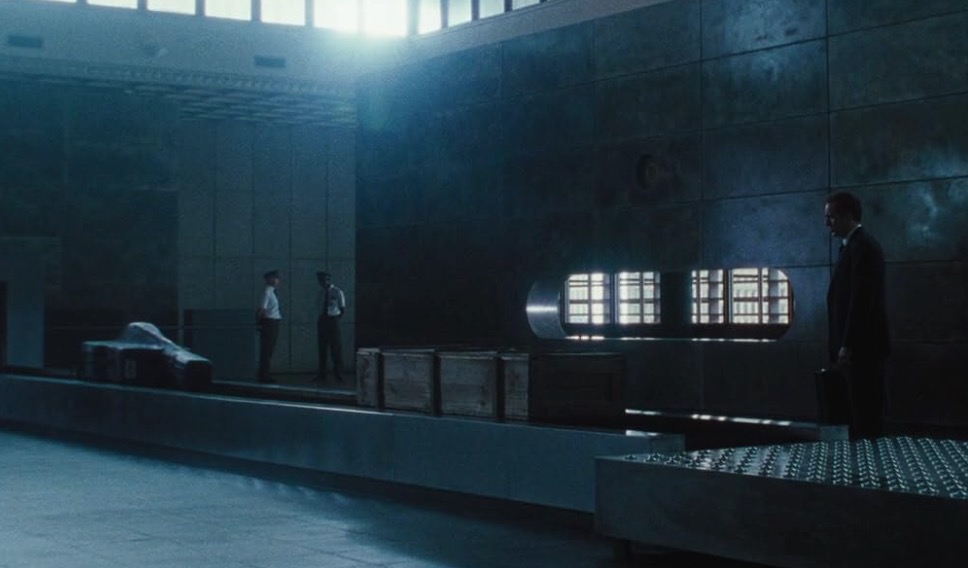
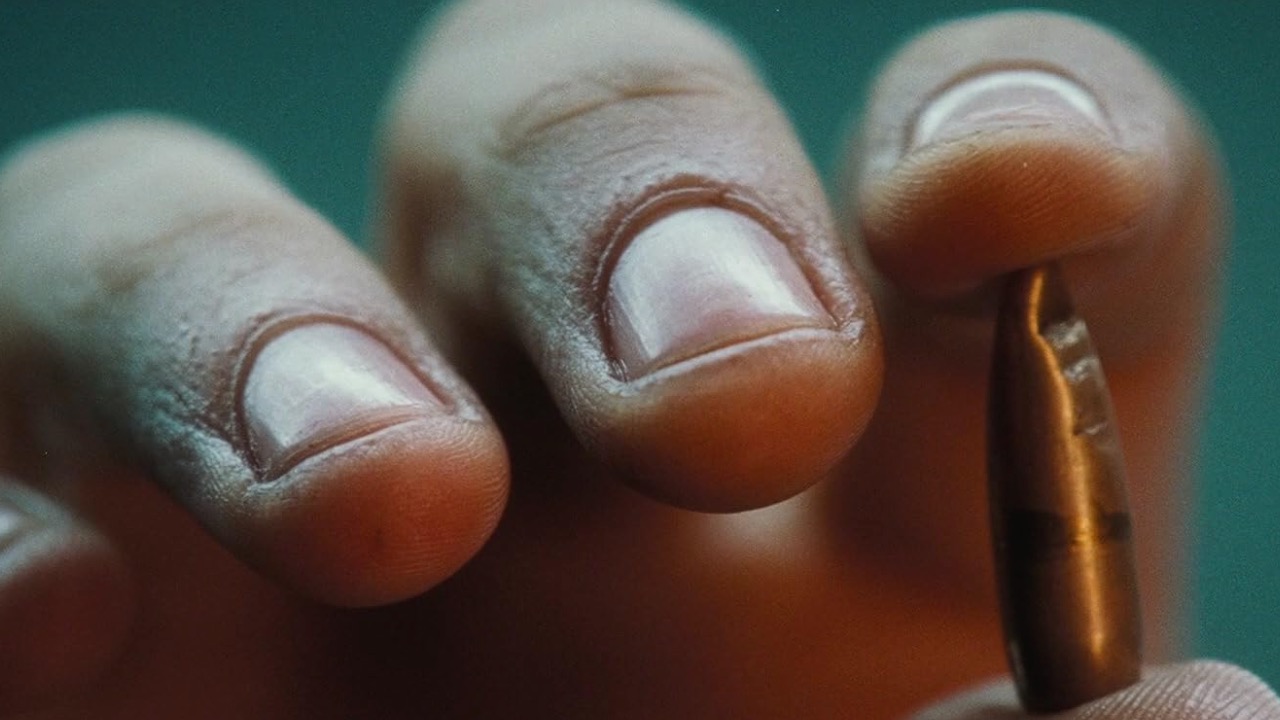
As he must face off with a triumphant Agent Valentine, Yuri is smug in his understanding of how the world works. As an audience we’ve come to realize that Yuri’s not wrong though, in his thinking at least about his role in a violent world. In the end Yuri serves Yuri and he does so because his services are needed and valued in a corrupt and fallen world. When asked why he does what he does, he replies honestly, “It’s not about the money. I’m good at it.” As his personal life lies in ruins, he knows that his business life will continue on because are always in demand somewhere. He educates Valentine on these harsh facts of life, and explains how he will be released by the government Valentine serves because essentially Yuri’s business is too big to fail.
“I don’t want people, dead Agent Valentine. I don’t put a gun to anybody’s head and make them shoot. I admit. A shooting war is better for business, but I prefer people fire my guns and miss, just as long as they’re firing.”
Yuri understands the world and himself fully, and as hard as it is to look that self in the mirror, he reminds us of his Machiavelian belief system, the Darwinian survival of the fittest: “If you fight your biology, you’ll always lose.” The secret to winning the battle (whatever the battle may be). is in fact surviving. “Never go to war. Especially with yourself.”
My favorite part of the movie
Andre Baptist Jr keeps asking Yuri to get him the “gun of Rambo” and Yuri responds with, “Part one, two, or three?” The dude is a sociipath for certain (just like his appendage hacking father) but this was one of the few humorous pieces of dialogue in a film that you didn’t really want to laugh at too much.
The only other laughable moment was Yuri’s father who pretended to be Jewish upon arriving in America, and then fully took on the customs as if he were ethnically Jewish (much to the chagrin of his Catholic wife.)
Firsts for Nicolas Cage character as Yuri Orlov
- Wearing a golden bullet on a golden chain around his neck.
- First time selling arms to make his living
- Holding a rooster while riding a bus (in South America)
- Kissing Mikhail Gorbachev’s birthmark repeatedly (via the TV screen)
- Using a hand held calculator
- Playing soccer while on “brown-brown” (mixture of cocaine and gun powder)

Recurrences
- Witness to a gang assassination (The Cotton Club)
- Gets shot (Adaptation.)
- Smoking (multiple)
- Overlooking Central Park with the woman he loves (It Could Happen to You)
- Landing in a plane on a rural dirt runway (Con Air)
- In Africa, having awkward sex with a local girl, and then being chased by a wild animal, e.g. hyena (Time to Kill)
Quotables from Yuri
“The first time you sell a gun is a lot like the first time you have sex. You have absolutely no idea what you’re doing, but it is exciting, and one way or another it’s over way too fast.”
“I figured if I was going into the gun trade, I was going to AIM HIGH.”
“I never sold to Osama bin Laden. Not on any moral grounds. Back then he was always bouncing checks.”
“Since the end of the Cold War, the Kalashnikov is the Russian people’s greatest export. After that comes vodka, caviar, and suicidal novelists.”
“It’s not a military helicopter. It’s a rescue helicopter.”
Conclusion
It’s been almost 18 years since Lord of War came out and we’ve lived through so many global conflicts and acts of terror in that time. Currently, children are dying daily in the Middle East and in Yuri’s homeland, the Ukraine, from gunshot wounds, tanks shells, and drone attacks. And yet, Yuri continues on in fictitious form and in real life events. Lords of War, the unexpected sequel to Lord of War, is currently in pre-production. Nicolas Cage will be reprising his role of Yuri and going up against his grown-up son, Nicky (Bill Skarsgard) who is dealing arms to mercenaries in the Middle East.
Do we need a story like this, at a time like this? A film about “not-good” family values?
Yuri would say, yes, because it mirrors the real life we live, and the world in which we are all, in some ways, culpable for. Do I want really to watch it–another story without a hopeful ending?
I’m not sure, but I probably will as I stand WATC(H) and keep marching this bloody path to its inevitable conclusion.

 yeti speak...
Leave a comment