Where were you on 9/11?
This is a question most Americans (of a certain age) can answer definitively. I remember I was heading into the office where I worked, at a health insurance company, listening to the radio about a plane that had crashed into a building in New York City.
The World Trade Center. One of the twin towers had been struck by an airplane. At first, no one really knew what to make of it. Was it just a terrible accident? How could it have happened?

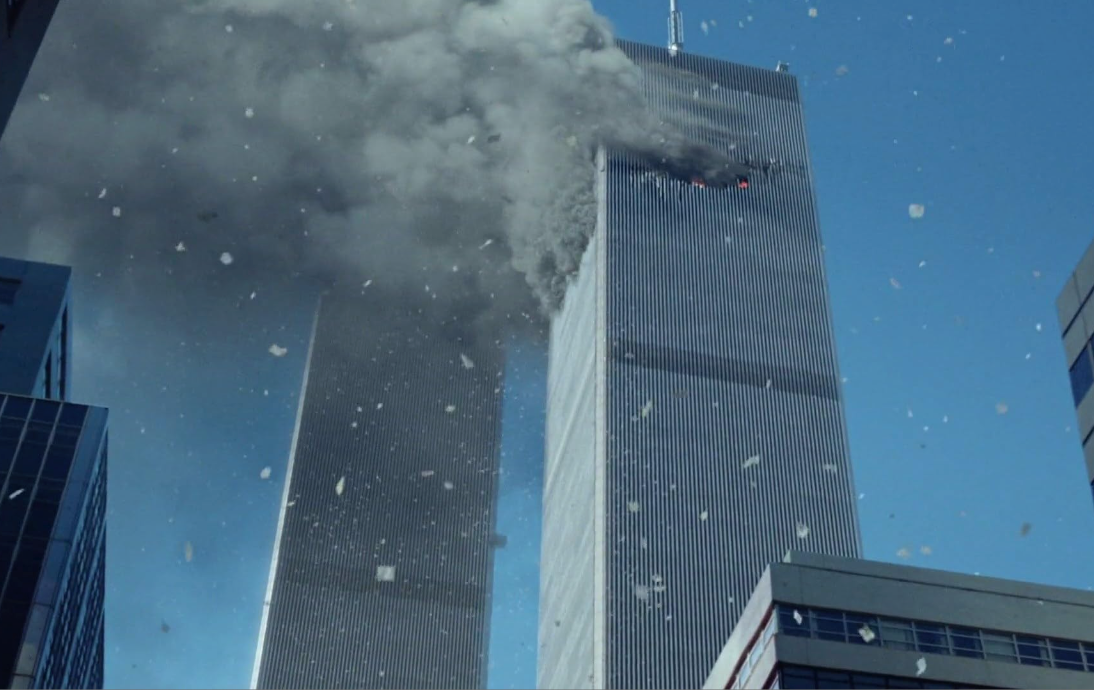
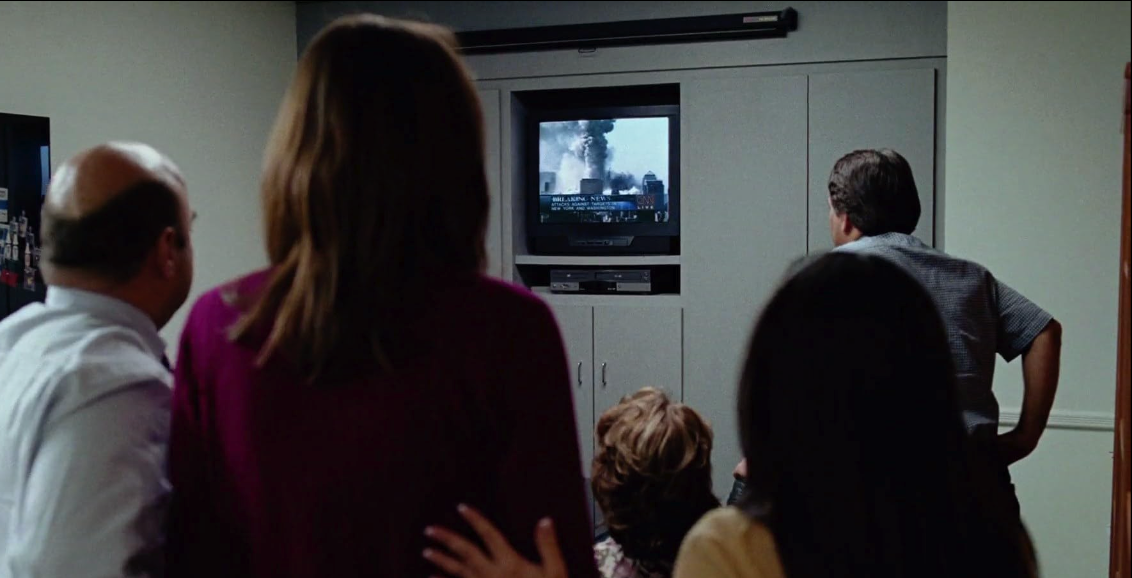
And then, it became apparent, to the horror of the country and world, that it was an intentional suicide crash. Another commercial plane hit the second tower as the first burned. Another plane hit the Pentagon. A plane went down in Pennsylvania. No one was sure how widespread this attack was or if our country was suddenly at war.
Chaos and fear spread across the country like a virus. I remember seeing an older co-worker crying at her desk that day, and then leaving the office for the day. Rumors were that she had family in New York City. I had only been married for about a year and my wife was pregnant with our first child so this felt very real to me. The vulnerability we all faced.
I remember thinking, “Is the world no longer safe? Was it ever? If The United States of America can be attacked by terrorists on our own soil, then we are living in a dangerous world.” In some ways this was true (the world was dangerous and always had been), and the deplorable attack by Muslim extremists did, in fact, change the way Americans perceived the world. In other ways, Americans had just been sheltered from what many countries around the world had been living with for a very long time–an ever present danger. We’d see it more and more with rise of mass shootings in this country, and more radicalized terror attacks in the years to follow.
These and many other emotional triggers came up for me when I was watching Nicolas Cage in the Oliver Stone directed film, World Trade Center (2006). This was my first viewing of the film and it was not what I expected.
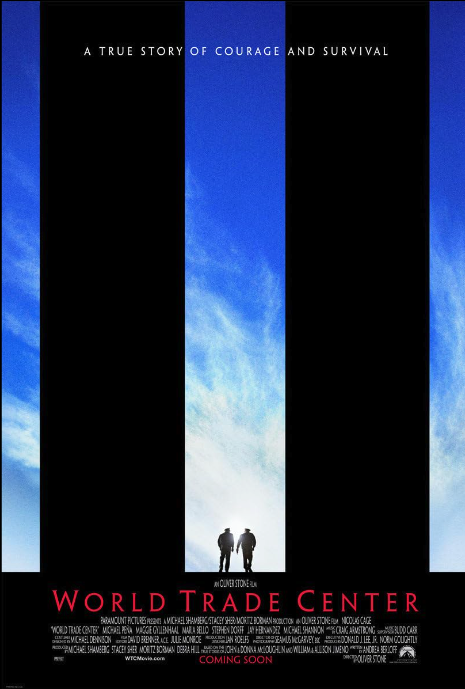
Whenever I am confronted with a movie like this that will depict a real life tragedy or historical catastrophe, I tend to procrastinate watching it. It always feels a bit morbid to me when you know that you are watching a reality-based telling of an event when many people will die or be treated terribly. I think about films like 12 Years a Slave, Hotel Rwanda, Blood Diamond, and Schindler’s List. All of these films have artistic and historical value. They are important films, and I usually do watch them…eventually.
But I also tend to drag my feet because I much prefer the fantasy of watching something that is fiction or escapist. Eventually, I get there and I watch them, and inevitably appreciate the storytelling and the “documentary” ethos that helps solidify human history in film, but it’s never easy for me to “want to” watch them.
I’d much rather see the holocaust of an army of unreal Orcs, than watch the depiction of genocide or systemic racism and injustice that is present in films like those mentioned above.
Anyway, this time I didn’t have much of a choice, so I watched World Trade Center, and it was pretty impressive in capturing the moment and the psyche of that day: 9/11. Oliver Stone always goes big (Born on the 4th of July, JFK, Platoon, Natural Born Killers) whether you like his films or not, and this one was no exception, especially in delivering the “big feels” of anxiety, fear, and uncertainty that raced through the hearts and minds of Americans that day. Rather than just showing it at the public level, he zeroes in on the families of policeman and fireman who were the first responders when the planes hit the New York City towers.
The World According to John McLoughlin
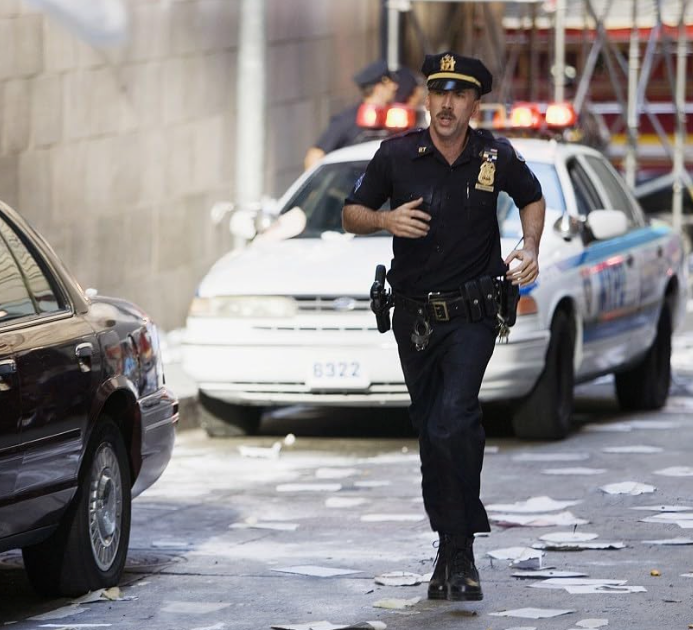
Nicolas Cage plays Sergeant John McLoughlin, a family man, who leads his group of Port Authority policeman down to the World Trade Center after the first hijacked plane hit the building. John takes it upon himself to lead a group of willing volunteers, including the younger policeman, Will Jemeno (Michael Peña) into the building in order to help with the rescue efforts. At the time of their arrival, the first building was still standing, so John and his team collect oxygen tanks and fire-fighting gear and then head into the concourse area that connects the two towers. As they attempt to enter the building Tower One collapses over their heads. John and his team flee to the elevator shaft, but are pinned inside it by a shit-ton of concrete, walls, and steel. John and Will and another policeman regain consciousness a while later and are looking up from the bottom of the burning rubble that is all that remains of the tower.
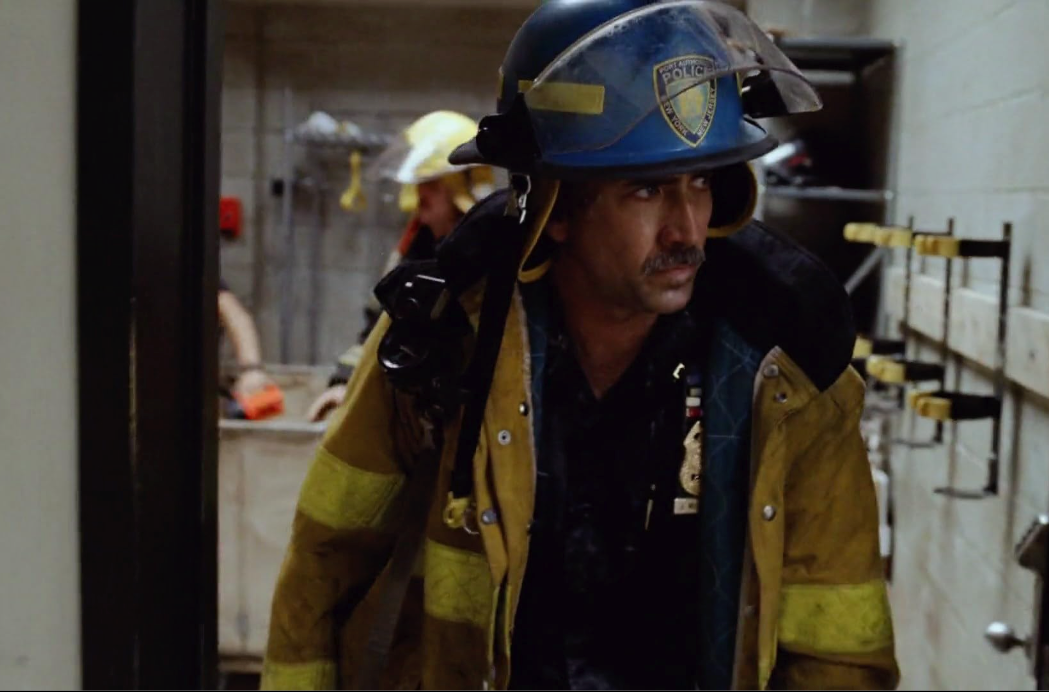
It’s suffocating to watch as neither man can move their legs and only barely are able to move their arms. One of the other policemen has more mobility, but doesn’t have the strength to move the mountain of concrete and steel that is pinning in his fellow officers. As the building continues to shift and collapse further, this policeman is killed as more concrete and metal falls on him and crushes the life out of him.


The rest of the movie is really just a dialogue between John and Will about their lives, regrets, and hopes, in a pretty hopeless situation. I would say 75% of the movie is really watching one side of Nicolas Cage’s face as he talks about what he should have done differently with his life / time. As the population of the city and country above them tries to make sense of what has happened and figure out how to find those who have been lost in the collapse of both towers, the two men must try to keep each other awake and alive for as long as possible. Hope seems tied to both men being able to speak and interact with one another, even though they cannot see one another from their pinned and painful positions.
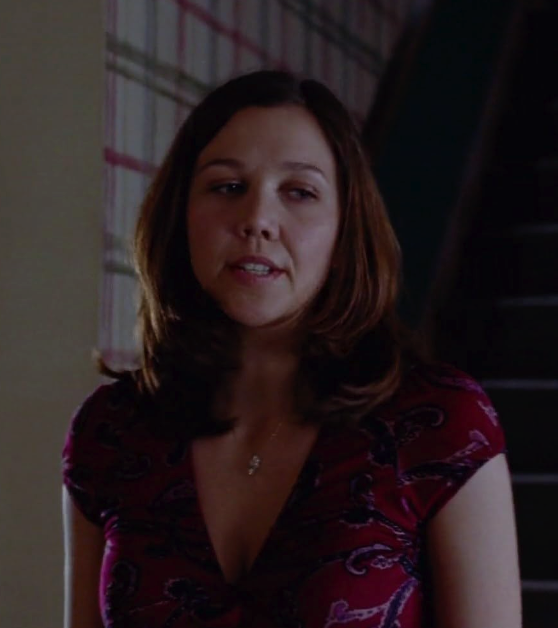
These scenes are interspersed with three other perspectives from the outside, on the aftermath of this disaster. We get to see how this attack impacts John’s wife, Donna (Maria Bello) and Will’s wife, Allison (Maggie Gyllenhaal) and their families as they cope with the likely death of their spouses, father, son, etc. We also get to see how a particular Marine, Dave Karns (Michael Shannon) reacts to this attack on his countrymen. Karns travels to ground zero to conduct his own search and rescue efforts against the warnings of the local authorities and rescuers who find the risk too great as the daylight fades.

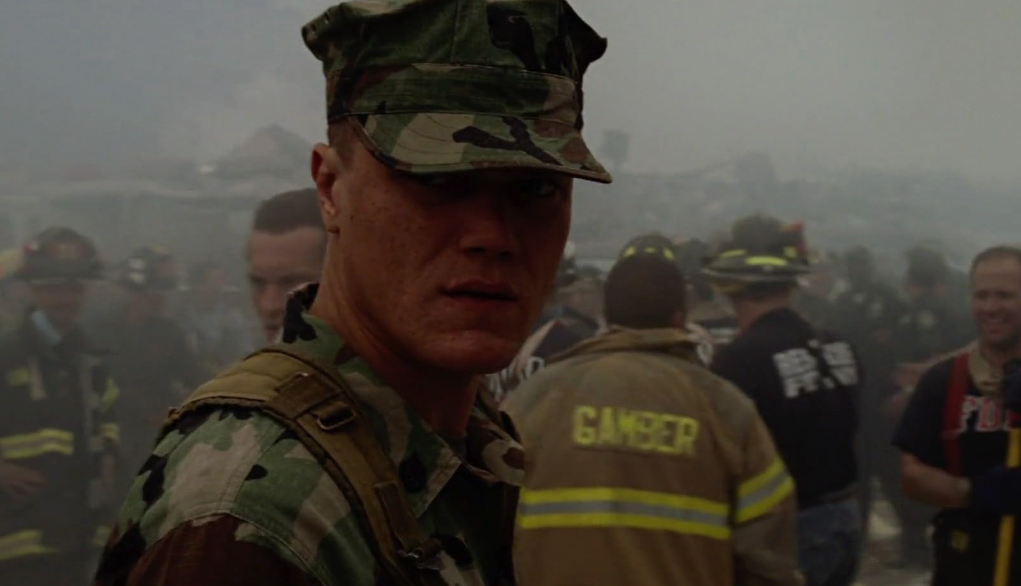
In the end, Karns and a medic find John and Will buried 20 feet below the surface and are able to send in the search and rescue units.With the jaws of life both men are freed and pulled up from the depths of Sheol on stretchers. They are transported to the hospital where their families wait for them.
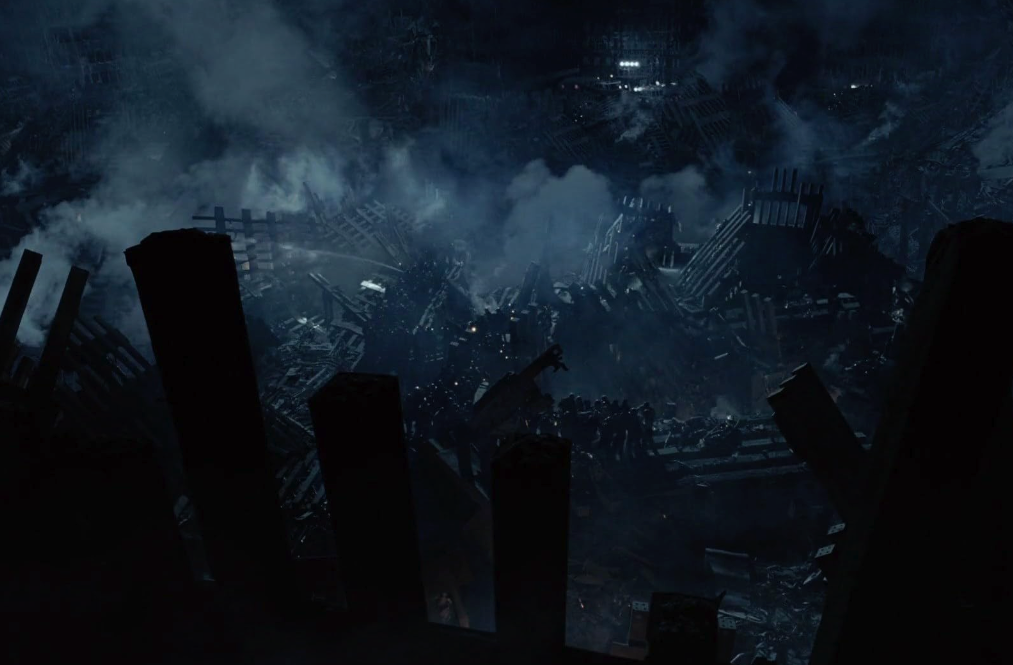
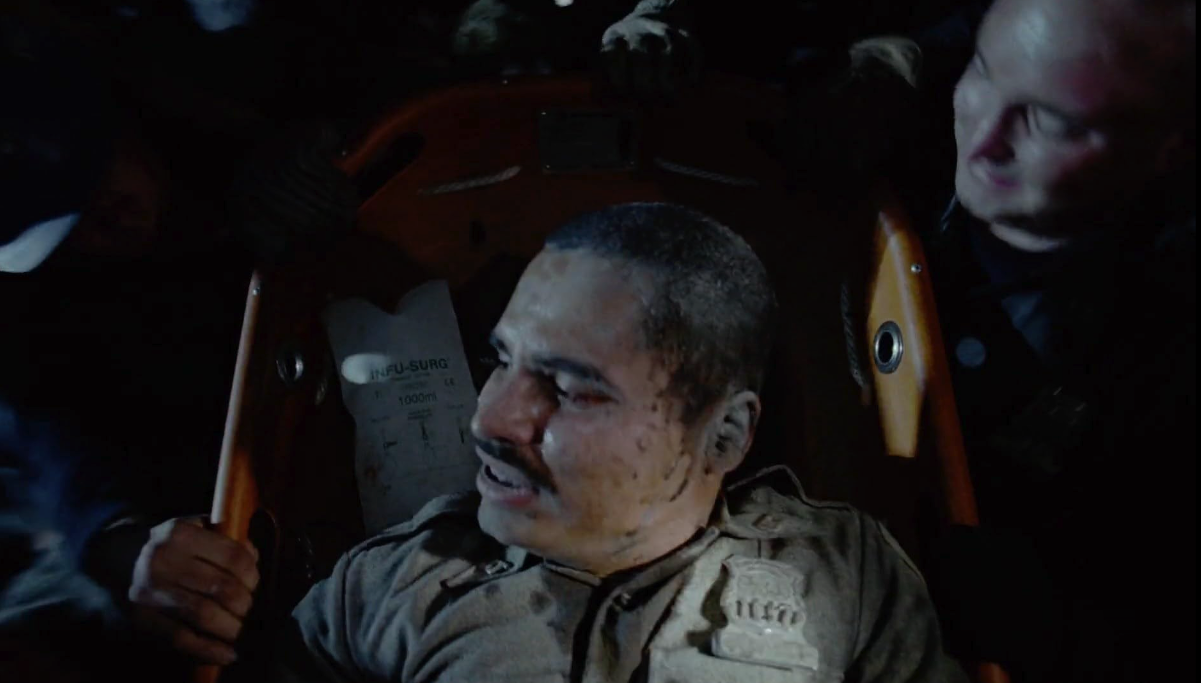
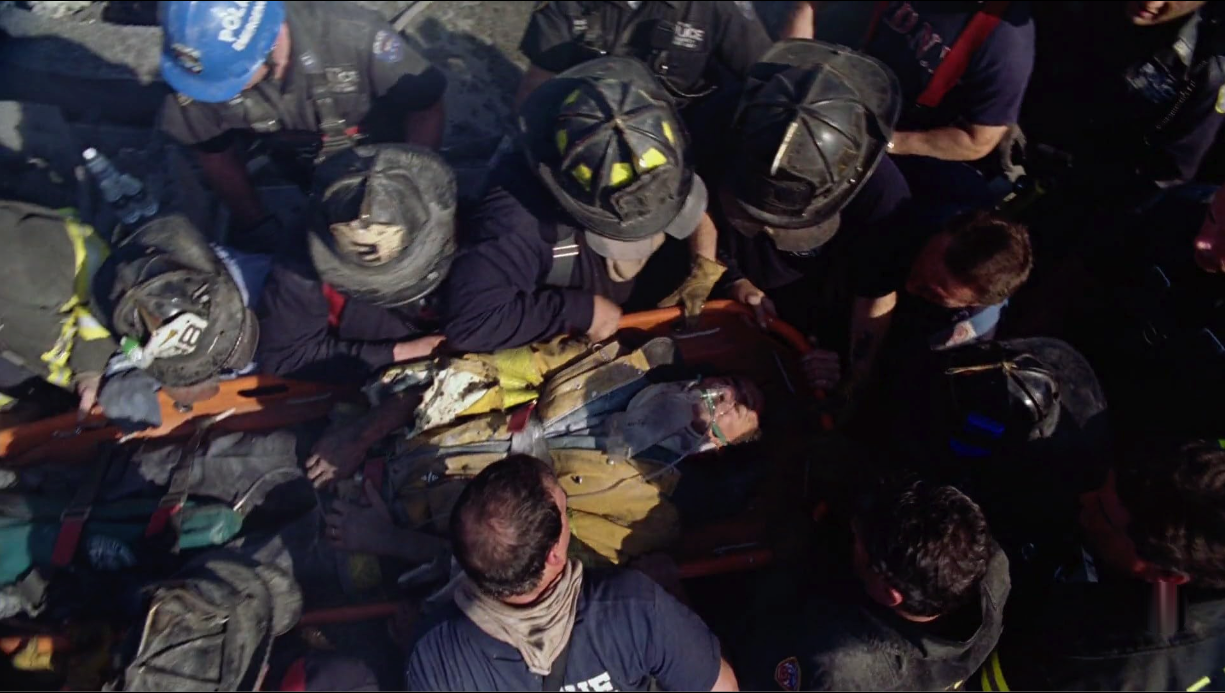
The strangest and most beautiful part of the movie is that in the time of our greatest darkness (a radical terrorist atrocity) in which humans seek to annihilate other humans, there is also the spark of our greatest good: humans helping and loving other humans, risking their own lives to help other men survive. It’s a movie about real care, compassion, and hope. The human spirit does shine in that darkness.
Yeah, I cried a little as they pulled John out of the rubble and he is passed from congratulatory man to man down the line, one by one, to the ambulance. He is fully of joy and gratitude and life, even as he is skirting the grave.

I also felt the relief mixed with deep sadness that each of these families felt. The son, who just wants his dad to be there for his birthday party. The wife who doesn’t know how to explain to their young daughter that daddy has died. The policeman who watch their unit come back to the precinct greatly diminished.
The survivor’s guilt that comes when you realize your loved one or co-worker lived while so many others have died. That there’s no reasoning, no meaning, no virtue in it; that it just is and you’ll need to live with that reality and cope with the evil that has caused it.
I’m not going to say much more about this film other than to say I am glad that I watched it. It’s not easy to look into the darkness of man and not come out of it jaded and desperate, but this movie also reflected the heroism, the compassion, the selflessness of man that still shines in the dark.
First for Nicolas Cage as John McLoughlin
Firsts for Nicolas Cage as John McLoughlin
- Buried under a building
- Victim of a terrorist attack
- Sporting a strong northeaster (New York) accent
Recurrences
- Second film with Maggie Gyllenhaal (Adaptation.)
- Role based on real life policeman (It Could Happen To You)
Quotes from John McLoughlin
“Grab those bottles. Get the helmets.”
“You aren’t rescuing anybody if you can breathe, Rodriguez. Stay focused.”
“What happened in Tower 2?”
“We’ll make it, Will! Just don’t go to sleep.”
“Aaaaaaaaaaaaghh. Aaaaaaaaaaaagh. Aaaaaaaaaaagh.”
“Just don’t sleep!”
“This is it. I am gonna see them, some place better.” [Convinced that the building is finally going to collapse on top of him.]


 yeti speak...
Leave a comment