Now that I’m fifty and cranky, I’ve been seeing a therapist about some depression and anger issues. It’s what we do. The therapist I’ve been seeing gave me a handout with a helpful acronym. DEAR MAN (Guidelines for Objectives Effectiveness: Getting What You Want).
It goes like this:
Describe: Describe the current situation (if necessary). Stick to the facts.
Express: Express your feelings and opinions about the situation.
Assert: Assert yourself by asking for what you want or saying no clearly.
Reinforce: Reinforce (reward) the person ahead of time (so to speak) by explaining positive effects of getting what you want or need.
(Stay) Mindful: Keep your focus on your goals. Maintain your position. Don’t be distracted. Don’t get off topic.
Appear Confident: Appear effective and competent. Using a confident voice tone and physical manner.
Negotiate: Be willing to give to get.Offer and ask for other solutions to the problem. Reduce your request. Say no, but offer to do something else or to solve the problem another way.
I don’t know how well these anger management skills work; I haven’t tried them out in a conflict yet. But I’m almost 100% sure that Nicolas Cage’s character did none of these things to manage his anger in his grindhouse movie, Drive Angry (2011).
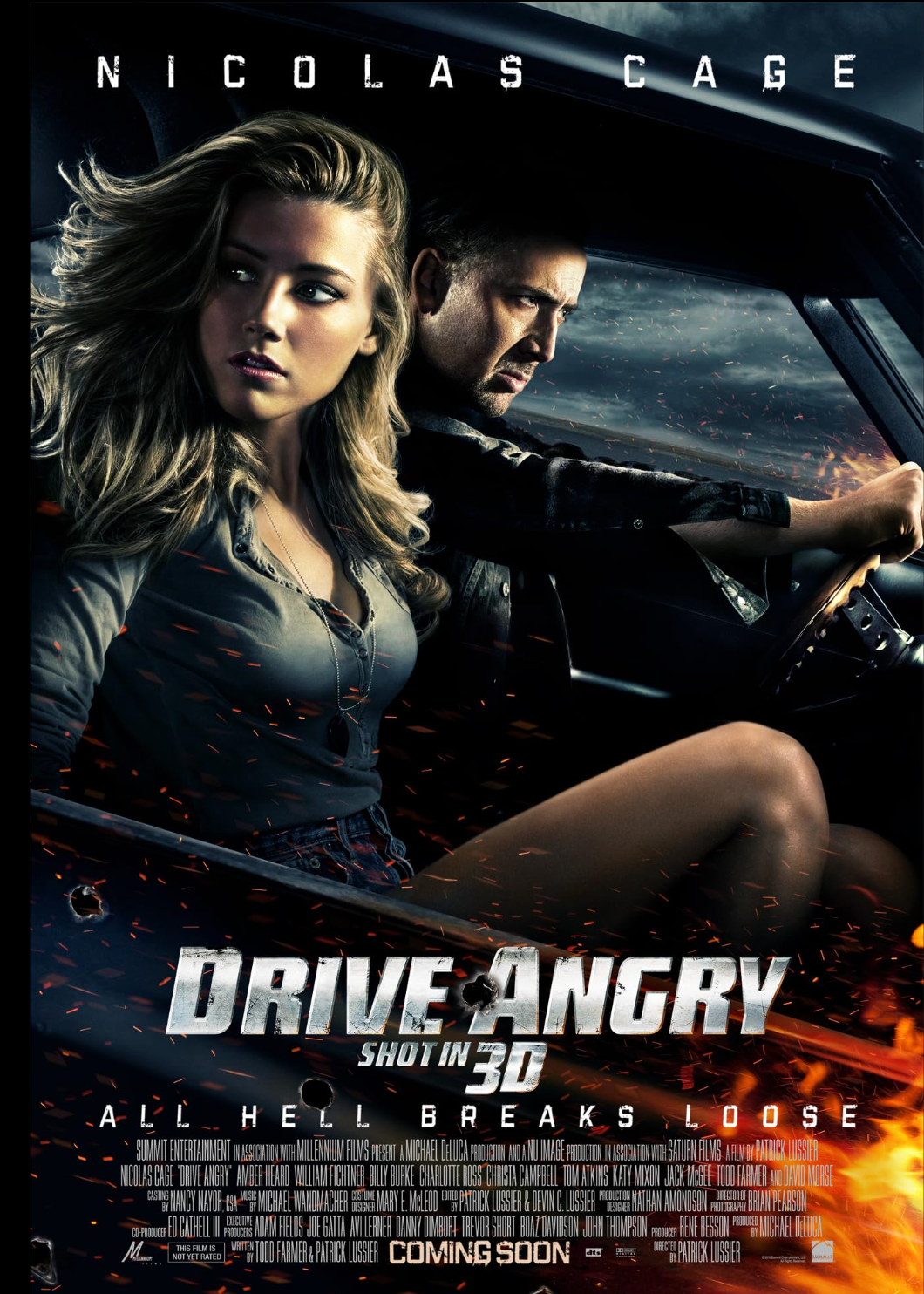
But I guess when you are an escaped “convict” from the netherworld, your anger and negotiation skills may have to work in different ways. Let’s unpack #59 of the WATC(H) using this helpful DEAR MAN framework anyway.
DESCRIBE:
Describing the movie: I think Nicolas Cage may have felt a bit short-changed when he barely appeared in Tarantino’s double-feature Grindhouse (2007). So when he got another shot to appear in a full length grindhouse film, he didn’t balk at the opportunity. In Peter Lussier’s violent, bizarre, sexually-charged cult film Drive Angry viewers are treated to Nicolas Cage unfiltered and unleashed–in a seldom seen genre that may suit his eccentricities best. The movie, with cinematography that was obviously released mostly for its 3-D effects, was one of the worst flops of any 3-D movie all time and was poorly reviewed by critics (and most audiences). But, if you can stomach full-throttle action, the movie is actually pretty entertaining and a fair representation of the 70s style grindhouse / blaxploitation flicks. You have to know what you are watching to fully appreciate it, but the violence, gore, and sexually explicit (if comedic) scenes in the film will dissuade a wide swath of standard viewers I would imagine. I’m not surprised it got panned, but I think it deserves a fair shake.
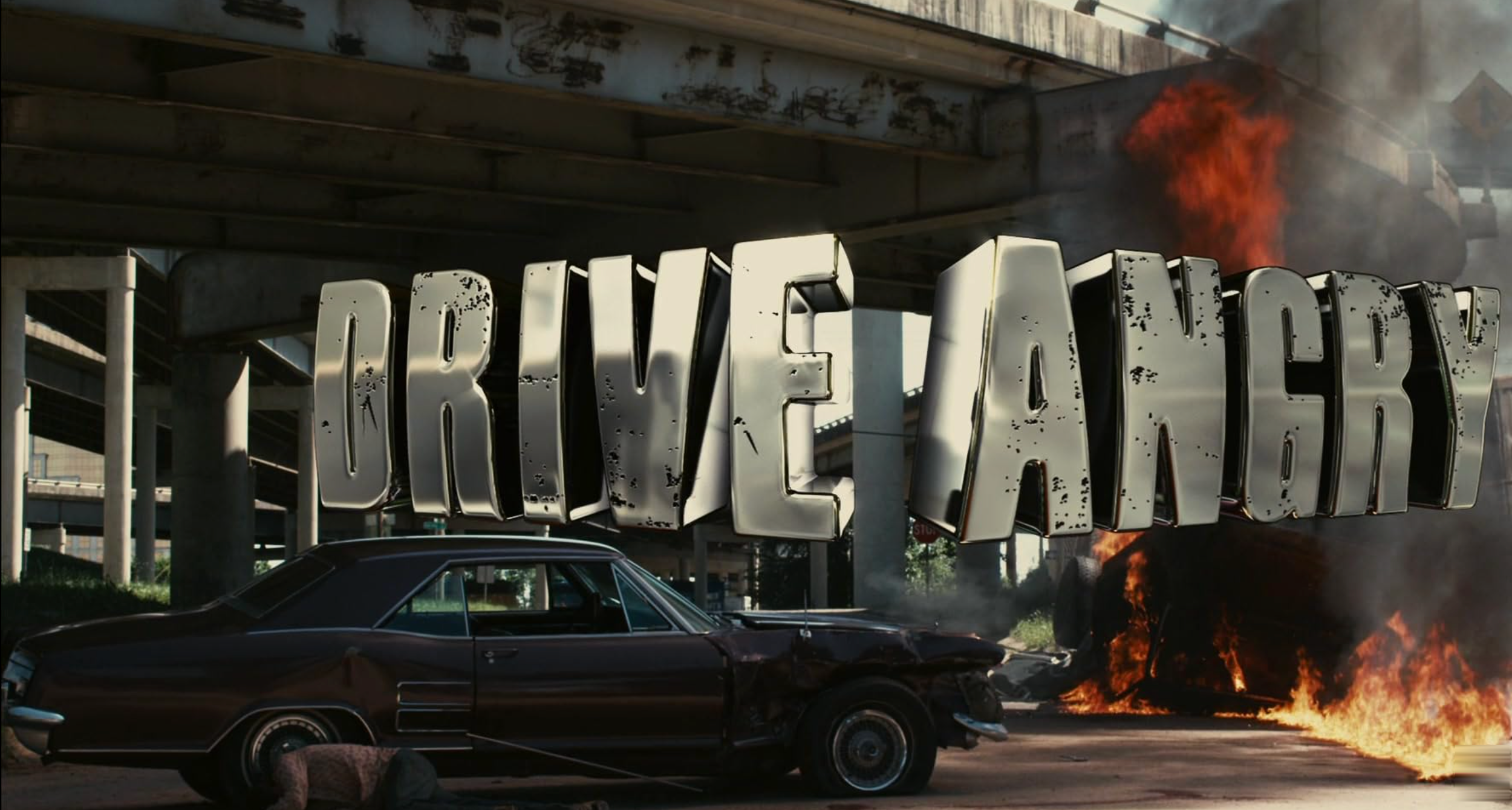
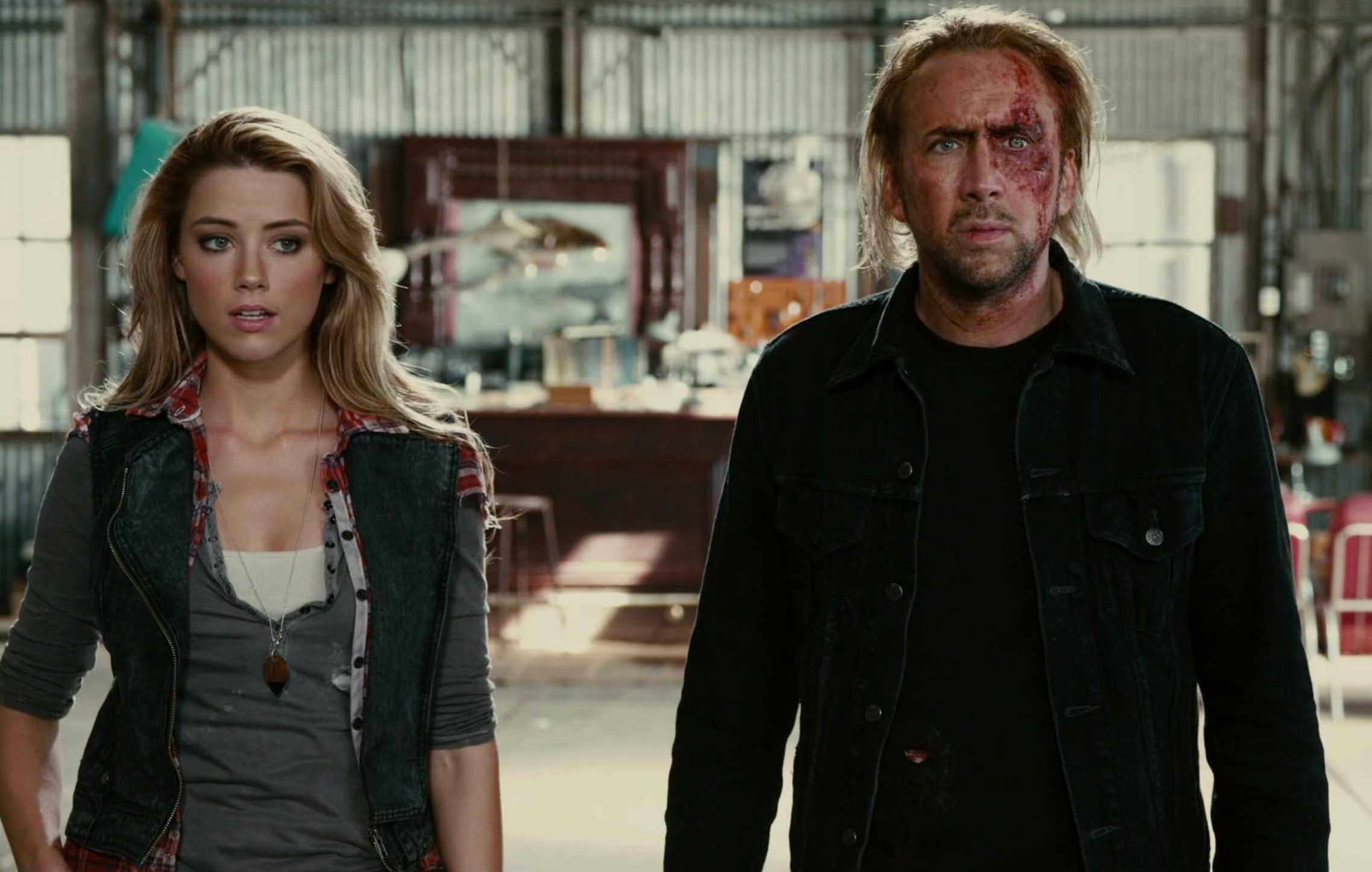
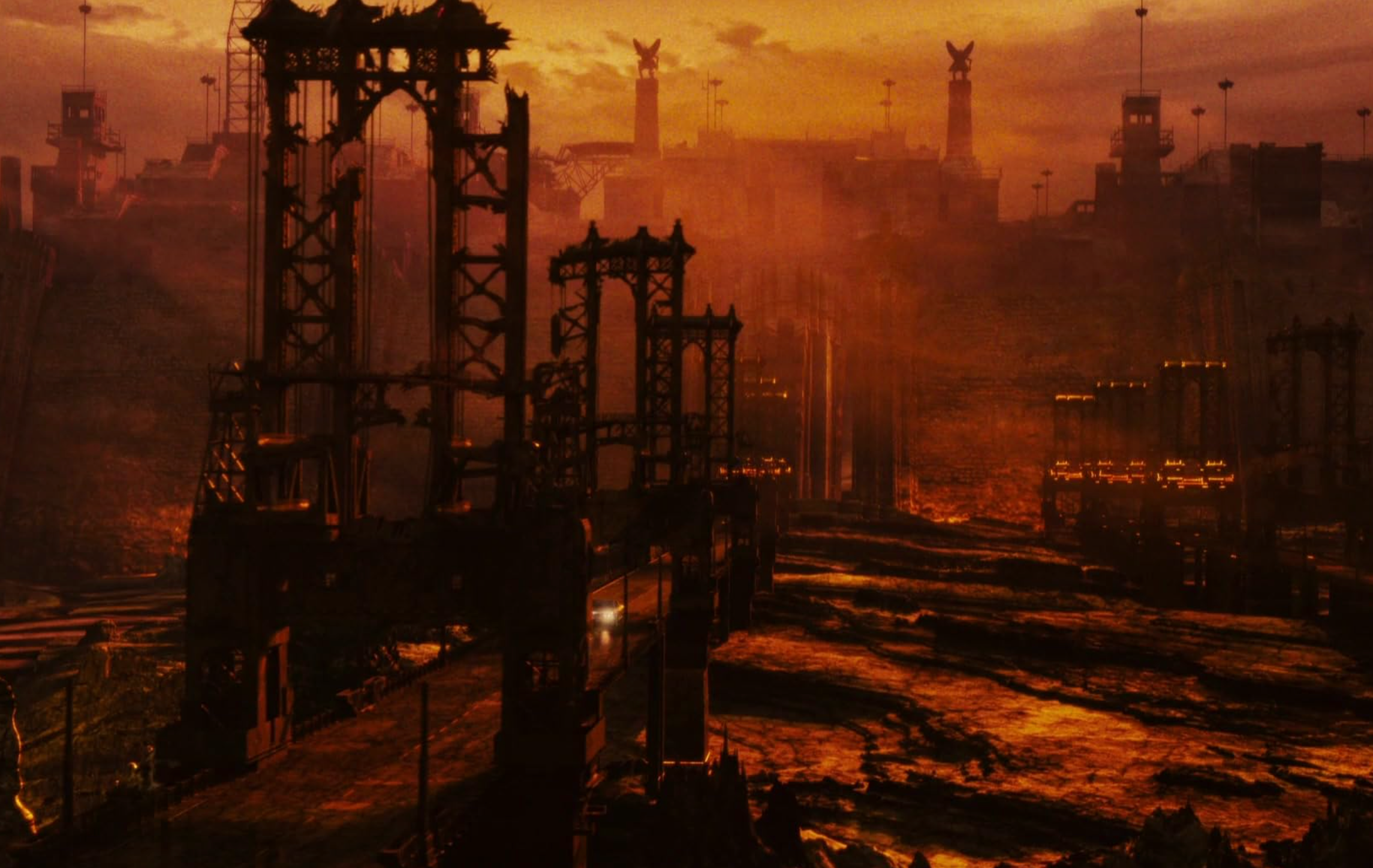
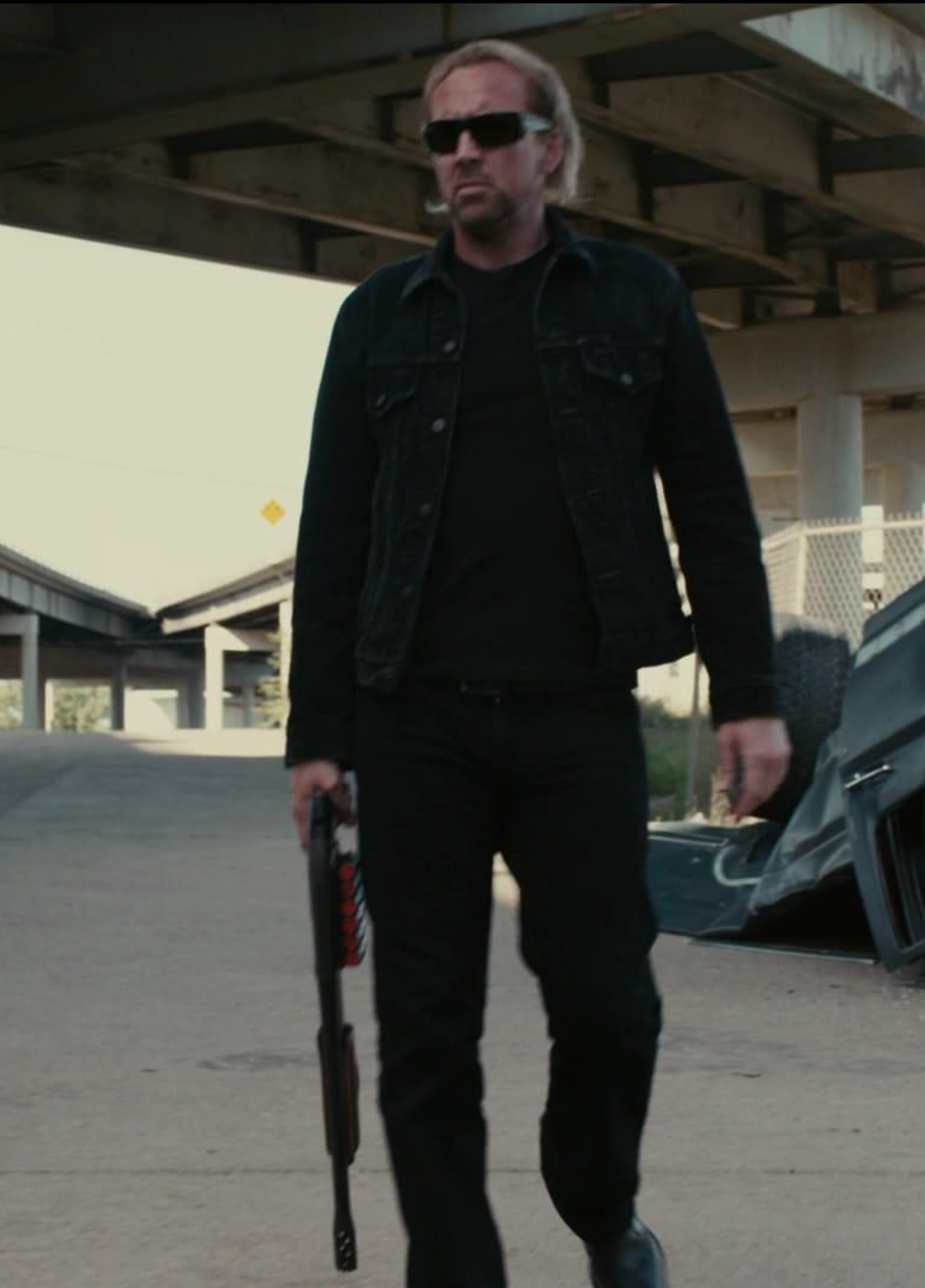
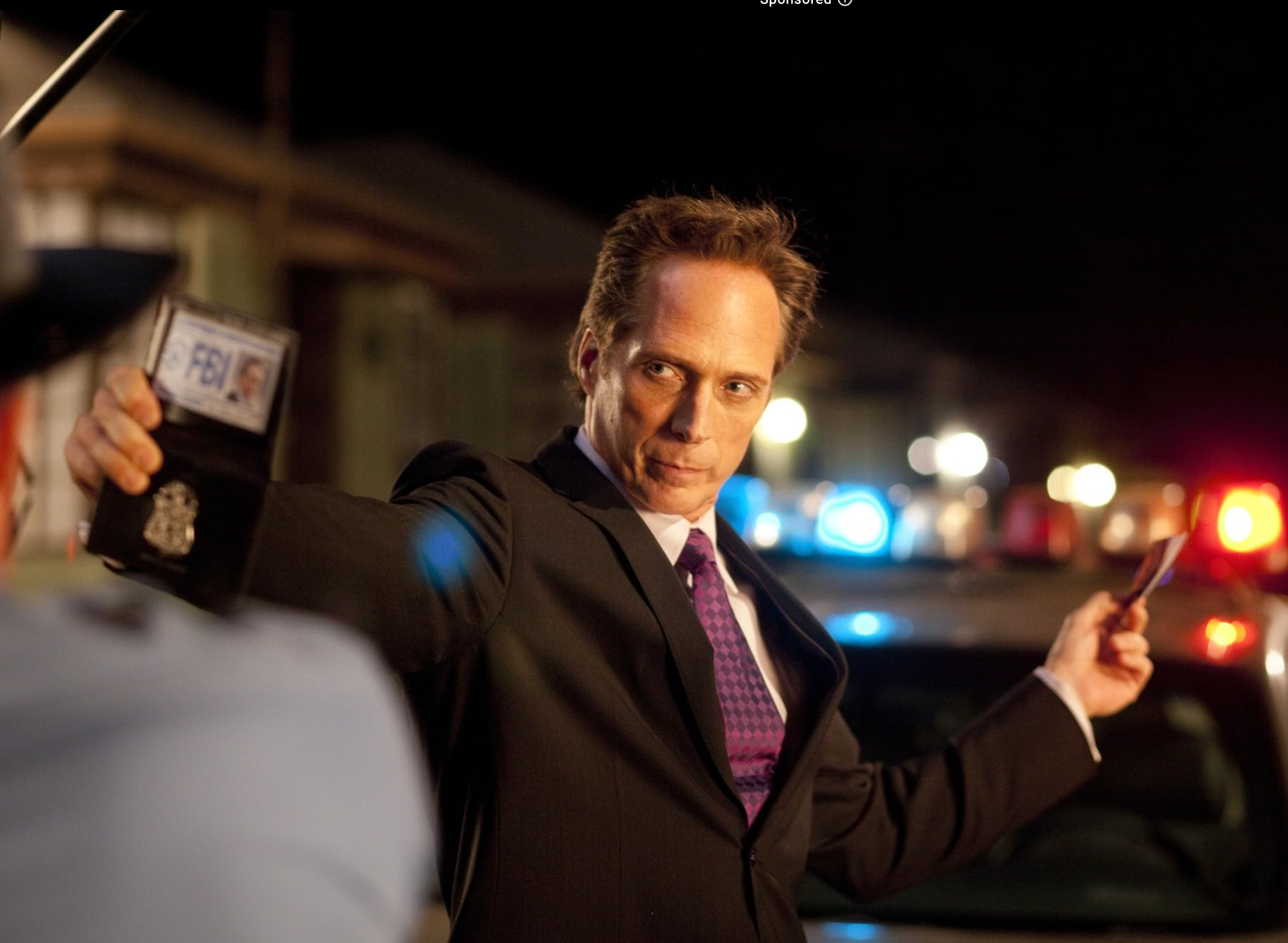
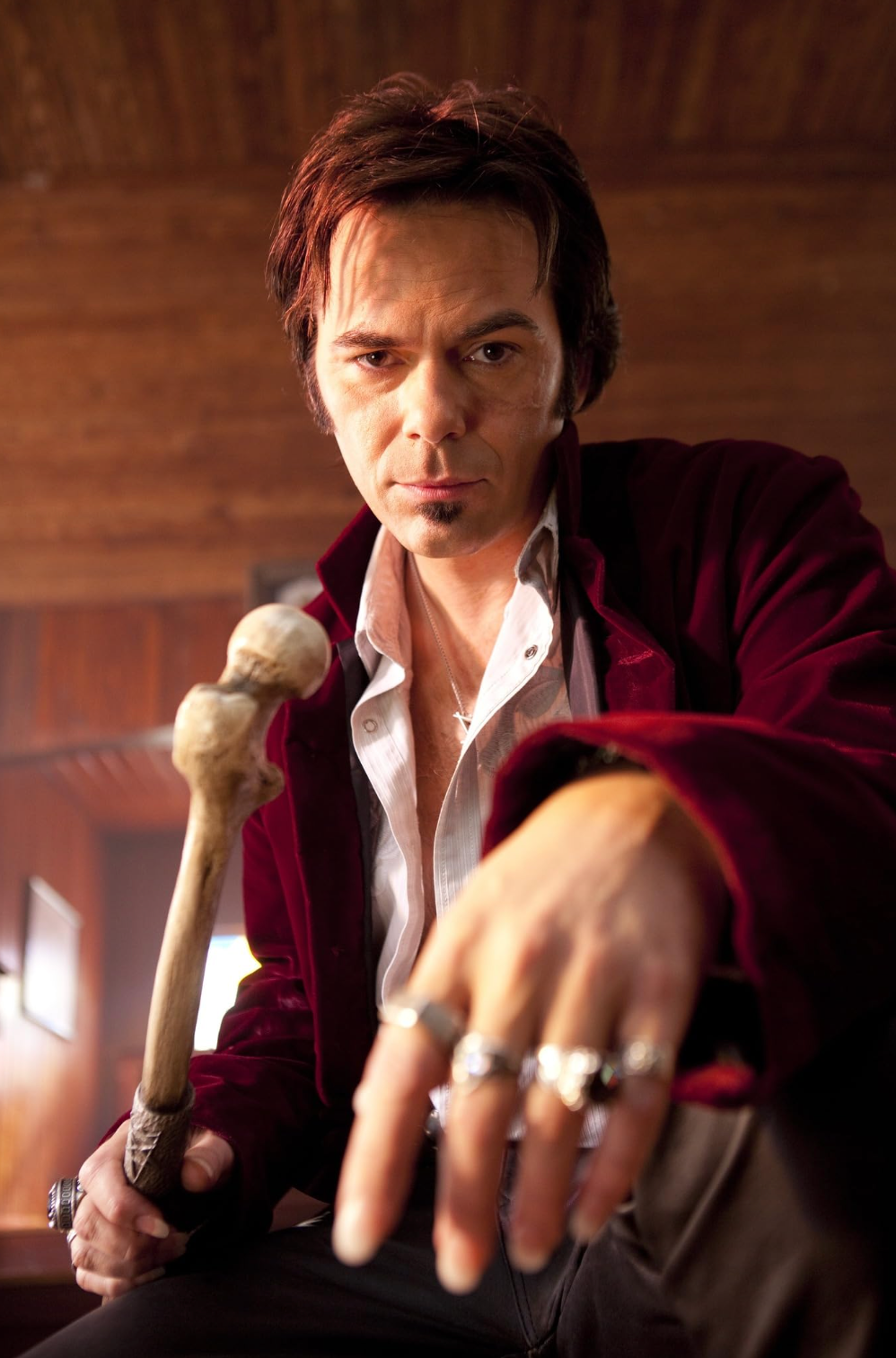
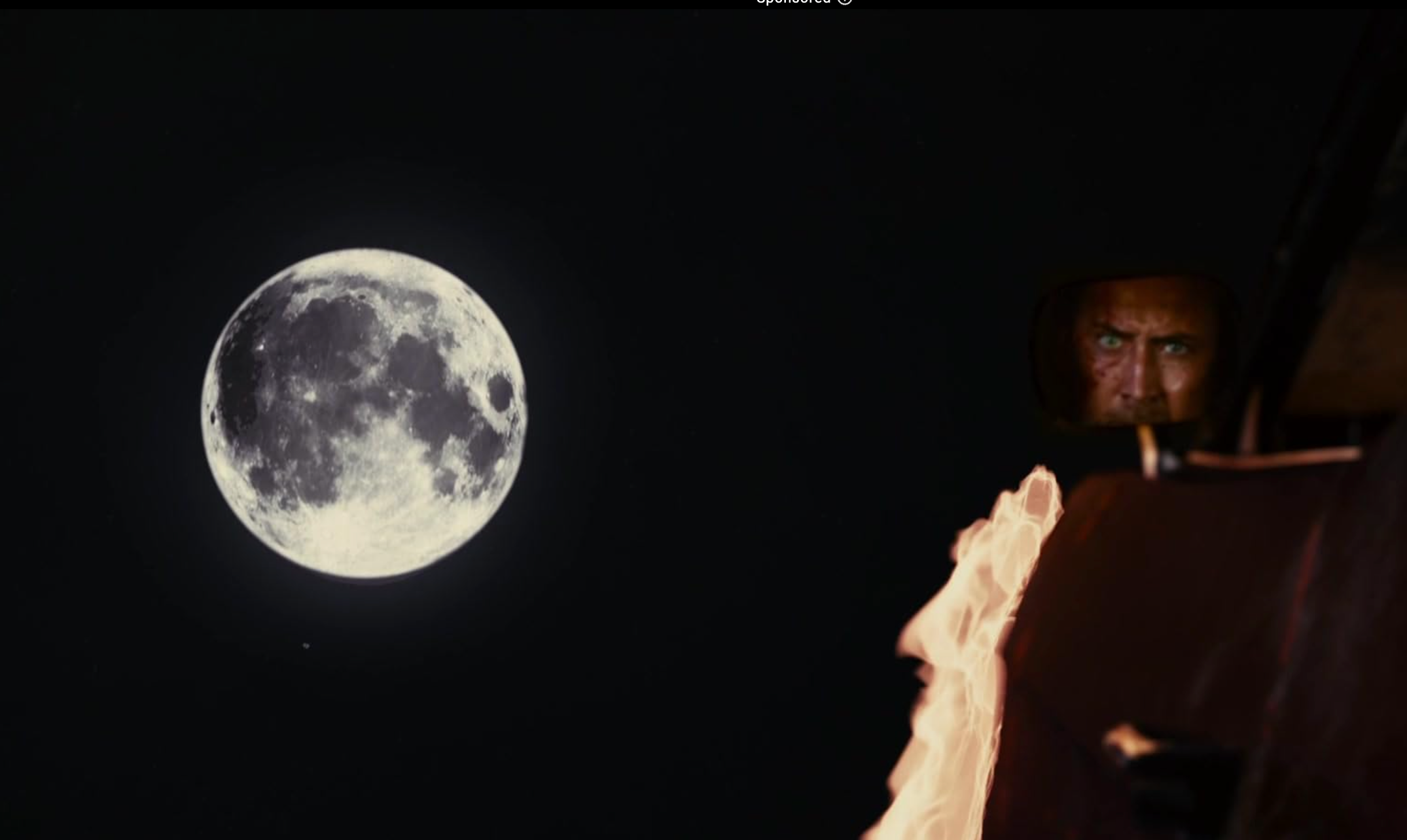
Describing the situation: In Drive Angry Hell is a very real (if highly inaccessible) place where bad men are imprisoned after death. Nicolas Cage plays John Milton (whose name is a nod to the 17th century writer of Paradise Lost). He is a man who was imprisoned in hell, but breaks out in an attempt to rescue his baby grand-daughter from a full-moon sacrifice at the hands of the evil cult leader Jonah King (Billy Burke). Milton enlists the help of a street-smart waitress, Piper (Amber Heard) and chases down Jonah and his band of Satanists in a series of high speed chases, shotgun barrages, and horror combat sequences. Meanwhile, Milton is being chased by an emissary of Satan himself, Hell’s fastidious, well-dressed, and sardonic bookkeeper known only by the name The Accountant (William Fichtner). The Accountant gets his daily steps in, walking Milton’s backtrail of dead and wounded cultists and investigative policemen, in an attempt to find and return Milton to his Hades prison cell. Milton, however, is mucho hard to catch, and even harder to kill (hint: he’s already dead) and in the end, the intractable “protagonist” enlists The Accountant’s assistance in rounding up the worser evil of Jonah King–whom really doesn’t represent Satan’s interest in the killing of children anyway. (Was Milton actually playing right into The Accountant’s plans all along? We are lead to believe so. They make a good team.)
Express:
Drive Angry is a movie with a lot of feels. All the feels. But mostly the emotion is just a heavy expressive dose of anger, vengeance, lust, and violence. The cars are fast. The explosions are numerous. The body count is high. People lose appendages (a hand gets blown off in the first few minutes), genitalia gets throttled and bitten, heads get split open, shot, and garden-hoed. The gore and carnage is operatic and excessive.
Milton is a juggernaut of emotion. He can’t be stopped. Even when he gets shot in the gut. Even when he gets shot in the eye hole. He just keeps coming, and coming, and coming. Like the Terminator machine, he is relentless in his pursuit, bent on saving his “baby girl” from being brutally sacrificed by the psychopath King.
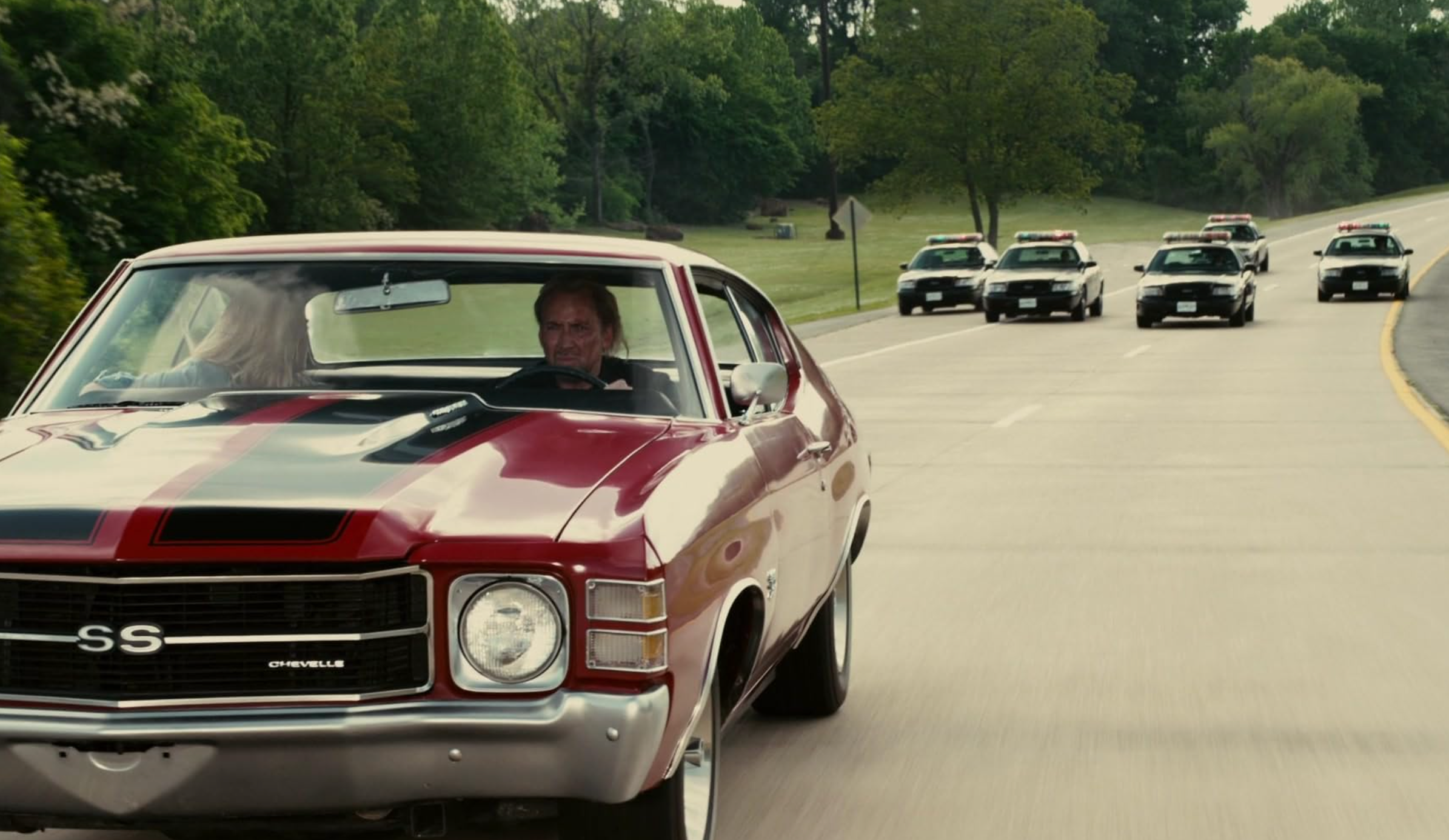
There’s no misinterpreting exactly what Milton is after. He expresses his anger and intentions in the clearest way possible. After shooting three men to start the movie, he tells one of them, ““Hell already is walking the earth. You tell ‘em I’m comin’. Tell ‘em I’m coming to get her back.”
Assert:
Nicolas Cage often plays characters who walk the fine line (and more often cross it) between healthy assertiveness and toxic masculinity. Just surfaced from Hell, Milton asserts himself with a flirty waitress at a cheap diner (where Piper works). He orders his coffee, “Black, with sugar.” When she delivers it and HE sort of grabs her by the throat to roughly kiss her. This was not unwanted by the waitress, but it was a bit more “assertive” than she seemed to be expecting.
When a mob of cultists tries to kill Milton at the Bulls by the Balls roadhouse bar and motel, Milton kills most of them WHILE STILL having sex with a waitress he’d hooked up with a few hours earlier. He never “releases” her from the coital embrace, and spins around the room with her attached to him, chest-to-chest…ahem, etc, as he shoots bad guys with a pistol in one hand and holds a bottle of Jack Daniel’s whiskey in the other.

Definitely one of the crazier gun fights I’ve ever witnessed. The woman was left naked and traumatized. Milton just zips up his jeans, and escapes the motel / roadhouse in pursuit of Jonah King.
Reinforce:
I’m not sure if Milton fully understands the concept of “reinforcement” where you explain the positive benefits of what will happen if you get your way. But he definitely attempts to explain and “reinforce” his feelings to the cult members whom he is having conflict with. After chasing the group to a roadside church, and getting into a gun- pointing standoff with the entire group, he states the benefits (in a negative way),“Let her go. And give me the child. Or I’ll blow all your heads off.”
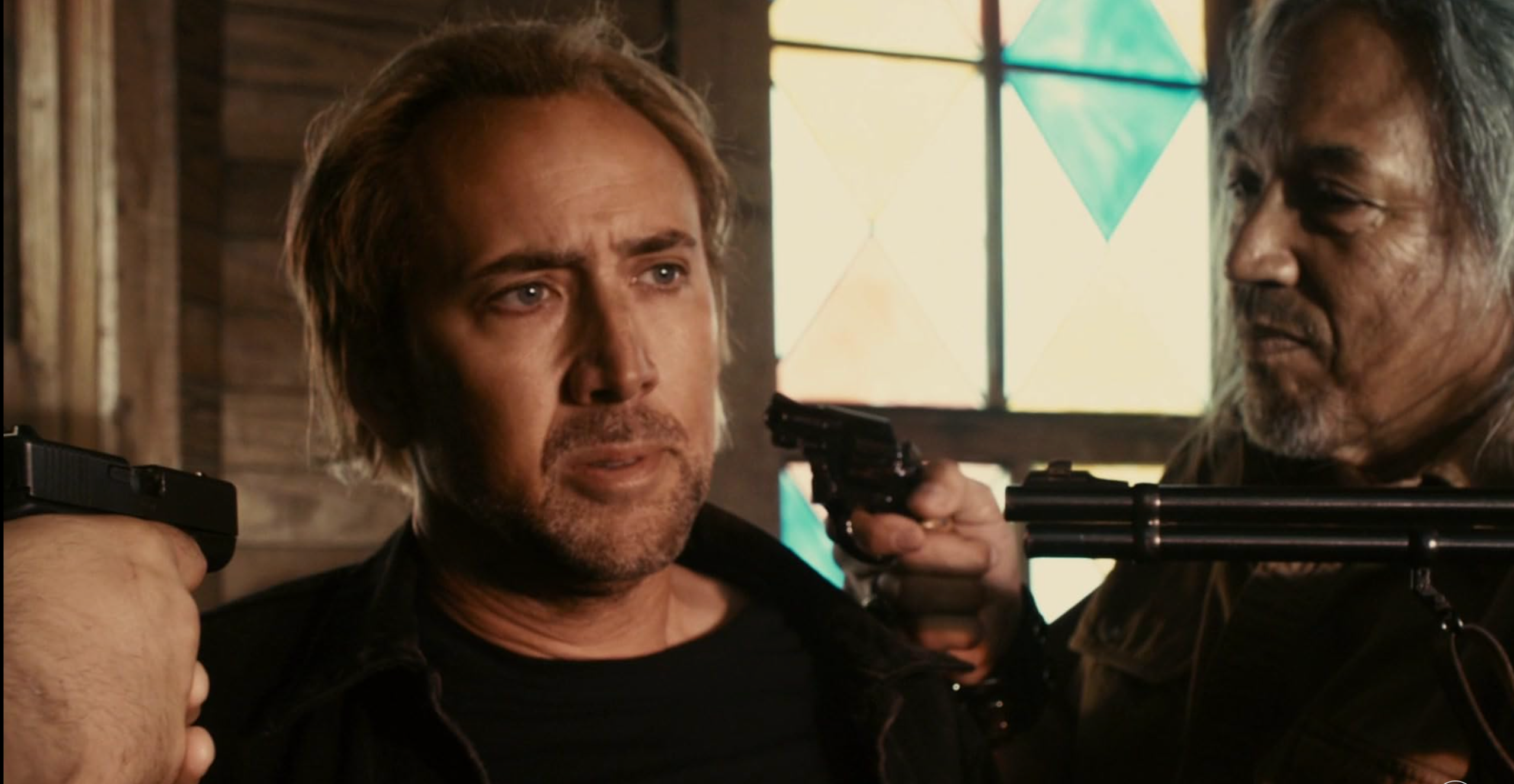
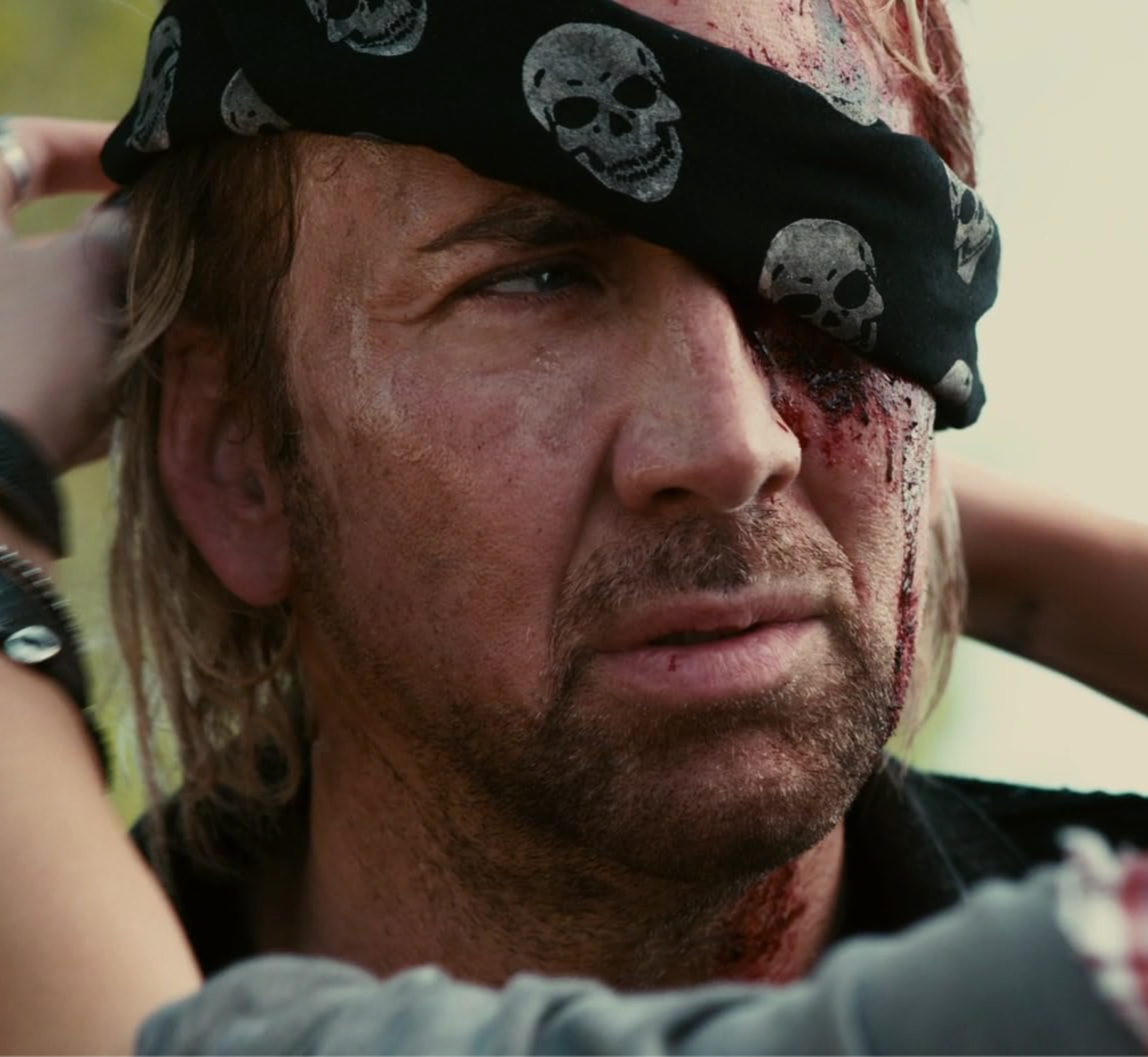
Probably not going to de-escalate the situation, but he made an attempt. Unfortunately, he got shot in the eye shortly after this and spent the last part of the movie growing a new eye while his face was wrapped up under a skull and crossbones emblazoned black bandana.
Stay Mindful:
Milton stays focused and mindful. Even as he is being hunted down by the Accountant, he never loses sight of the goal. He knows he’s going to have to return to Hell’s prison some day, but not before he hopes to achieve his purpose. The Accountant chases Piper and Milton in a police car, but Milton is ready for him with his “God-killer” gun that he stole from Satan. The bullet has the words Deus Velox Nex inscribed on it which means God is swift death. Evidently, a bullet from this gun would annihilate a supernatural being like The Accountant giving them neither heaven or hell. To me this sounds like a better fate than some lifelong servitude in a fiery penal system, but I digress. By the end of the film The Accountant and Milton have learned to work together (or at least let things play out the way that Milton wants them to.) Milton does return to hell at the end with The Accountant, but not before drinking a beer from the skull of his enemy (as he promised to do). The God-killer gun was used on Jonah which begs the question, did he really get what he deserved? Where’s the justice if he is just annihilated? Or maybe I’m missing something here.

Appear Confident:
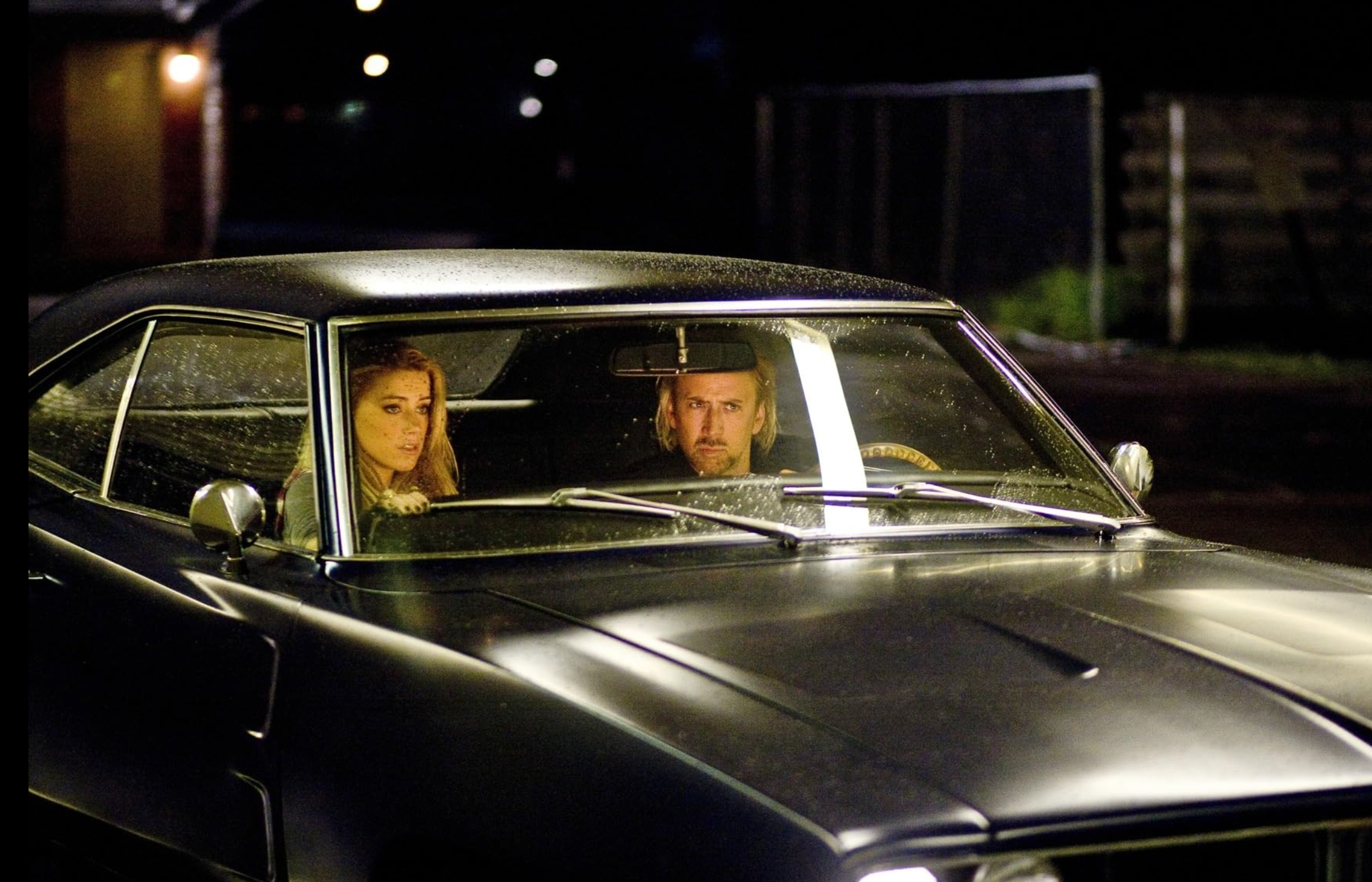
Milton is the epitome of confidence. He knows his objective and never sways in trying to accomplish it. He seems confident in his own abilities because he doesn’t even require much assistance from his old friend, Webster (David Morse). Webster wants to help Milton fight Jonah, but Milton won’t have it. Rather than further endanger Webster, Milton asks him only to agree to take care of Piper and his granddaughter after the battle is over. It’s interesting that he has no problem involving Piper (a total stranger) in this fight even though he has no romantic connection to her and really only wanted her help because of her car (‘69 GT Charger 440). Milton never loses his confidence and takes his mission all the way to the end! Bad-ass.
Negotiate:
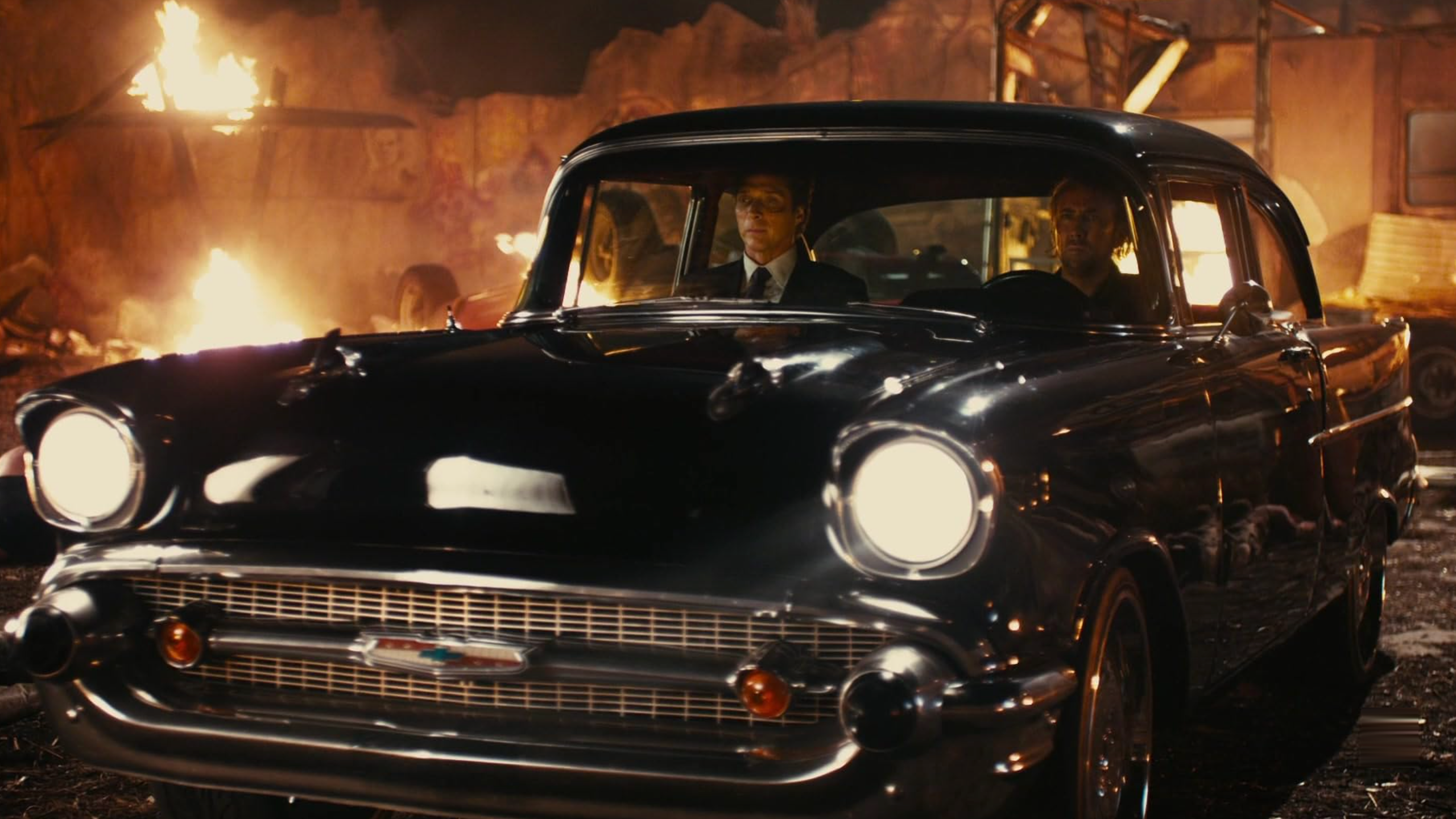
It’s hard to see the negotiation in Milton, but it’s there, in a subtle way. There’s an unspoken agreement with The Accountant that plays out in the last battle. Milton knows he’ll eventually return to his prison in Hell, but he needs to do this “one last thing”. The Accountant lets the plan play out and by the end even has a healthy respect and appreciation for Milton’s capabilities. The movie ends as the two get back into a fancy car presumably that will take Milton back to his place in the underworld because as the Accountant stated at the beginning of the film, “You see bad ass mother fucker’s are never fast enough. In the end, they will all be accounted for.”
Firsts for Nicolas Cage character as John Milton
- Shoots a guy’s hand completely off with a shotgun
- Killing an entire mob of people while IN THE ACT OF having sex with a woman he just met, smoking a cigar, and holding a bottle of Jack Daniel’s whiskey
- Getting carded in a country bar.
- Gets shot in the eye.
- Drinking beer from the skull of a vanquished enemy
Recurrences
- Forcibly, awkwardly kissing a woman (Multiple)
- Driving cars he doesn’t own fast and furiously (Gone in 60 Seconds)
- Someone referencing Bigfoot (National Treasure)
- Ex-convict (Raising Arizona, Face/Off, Amos & Andrew, Wild at Heart)
- In a complicated relationship with the Devil (Ghost Rider)
Quote
“Where is she? Where’s my baby girl?”
“I didn’t have my thumb out.”
“Tap?” [When Piper asks Milton if he’s going to “tap that” waitress. Spoiler: he did.]
“I never disrobe before a gunfight.”
“I’m drivin” [When asked by Piper to “Give me one good reason I shouldn’t shoot you in the face.”]
“You think you’re Loki, huh? You think you’re Baron Samedi?” [To the Accountant]
“Who the hell do you think you are? Anubis? You can’t stop me.” [To the Accountant.]
“You think you’re Wotan? Give me the keys.” [To the Accountant]
“Thank you Webster. I don’t think I’lll be having that beer just now. Not unless I’m drinking it from Jonah King’s skull.”
“I’m not of this earth.” [Right before he shoots Jonah into oblivion]
“Even in hell, there is compassion.”
Conclusion
I am not entirely convinced that John Milton followed the DEARMAN anger management technique appropriately. By my rough estimates he killed 29 people either by shooting them or running them over with his car. Even if this is justified, and it was, it’s probably not the best technique for managing anger. But since the movie is called Drive Angry I guess managing one’s anger isn’t really the point. And if I’m being honest, this is exactly the kind of movie Nicolas Cage is built for. I hope he’s in a few more grindhouse features before the end of the WATC(H). Here’s to hoping.

 yeti speak...
Leave a comment