In the TV series Community (S5, E2) the character Abed almost drives himself insane trying to answer what may seem to be a fairly simple question for a film class: “Is Nicolas Cage a good actor or a bad actor?”
Here’s a little scene from that episode (start it about 27 seconds in).
As funny as this idea is (poor Abed) it’s also kinda true. Nicolas Cage is hard to quantify and judge. In some films, he plays some ridiculous parts and seems flat, overacting, out of character, and (gasp) unimpressive. In other films, he seems as if he’s the only human actor who could pull off such a role so well; in these he looks like a genius; frenetically inspired, passionate, and shaman-like.
My observation (so far) to explain this: the category of the role Cage chooses greatly determines whether or not his performance will resonate or falls flat. I like to bucket the categories this way:
Dark Misfit Savior
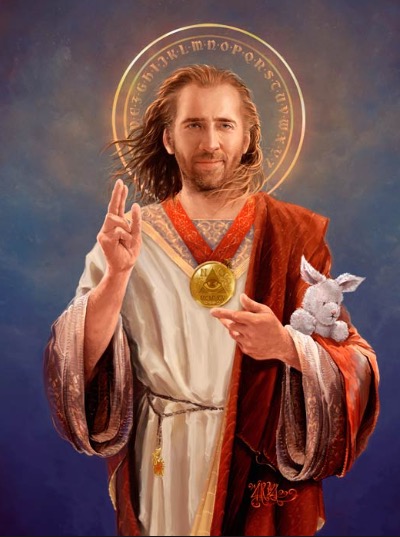
My description for the first role category is the Dark Misfit Savior. “Dark misfit” because these characters are a bit flawed, odd, and specialized. Usually he will have some kind of past (often, but not always a criminal past). He will use his specialization or skillset to bring about some kind greater good. The character becomes a “Savior” because he must rescue someone, reconcile a situation, or obtain key knowledge / item / achievement. Usually the Savior is rescuing someone important to him like a child or a lover.
Some examples of the Dark Misfit Savior movies include: Con Air, Gone in 60 Seconds, Stolen, Red Rock West, Drive Angry, The Sorcerer’s Apprentice, Bringing Out the Dead, Windtalkers, The Family Man, Snake Eyes. I think the majority of Nicks’ films kind of fit into this category, and these have become the ones I expect to like more than others. (But not always.)
Tragic Downfall (Hero / Anti-Hero)
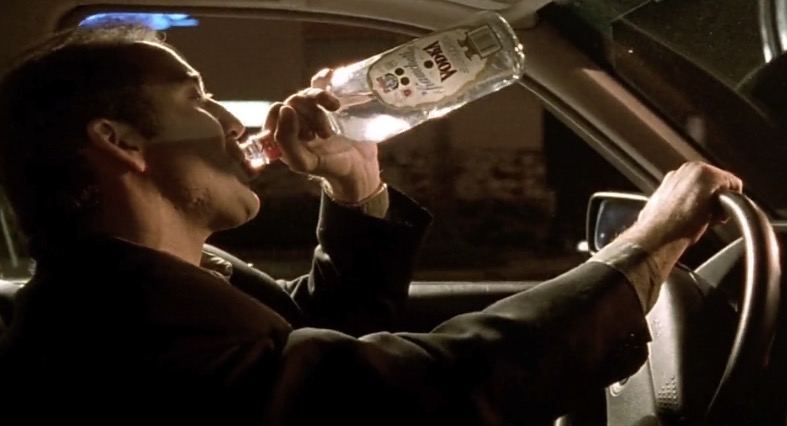
Another Nicolas Cage movie character category is the Tragic Downfall. These tragic characters are taking a fall either because of questionable career / life choices, or flaws in their character, personal vices, or dangerous lines of work. Sometimes it’s just bad luck, too. The Tragic Downfall characters end up paying the ultimate price (sometimes nobly, other times less so) in what feels like an always fated, untimely end. It’s your classic Greek tragedy situation. Films of this type include: Leaving Las Vegas, Season of the Witch, Knowing, Bangkok Dangerous, Vampire’s Kiss, City of Angels, and The Cotton Club.
Straight Up
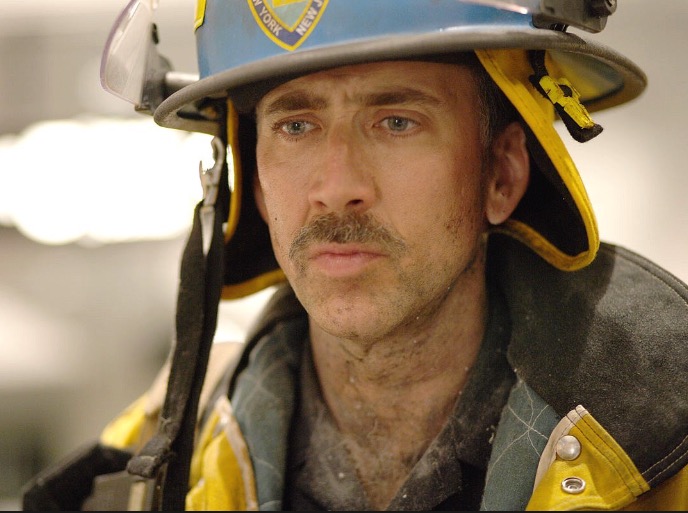
And then there are movies that I believe Nicolas Cage plays “straight up” and by that I mean he plays the characters on the scripted page without too much embellishment or Cagey-ness. Whether heroes, villains, anti-heroes, or JAGs, he takes on the role at face value. He makes it his own, but you could probably swap out any other capable actor and get basically the same final result. I’m not saying Cage is an interchangeable part (because any movie WITH Cage is 20% better than one WITHOUT), but I am saying that there are certain roles that don’t lend themselves to the “weight of his massive talent”. Why does he choose these straight up roles at all then? He’s said he likes to stay busy (since he gets into trouble when he’s not working), and I’d guess he probably just likes the storyline.
Although Straight Up characters may at times overlap with the Misfit Saviour and Tragic Hero characters, the difference is that these films tend toward being a bit more story-driven rather than character-driven. For Cage this means a lot of cop roles and occasionally some bad guy roles: It Could Happen to You, The World Trade Center, Guarding Tess, Trespass, Kiss of Death, 8MM to name a few.
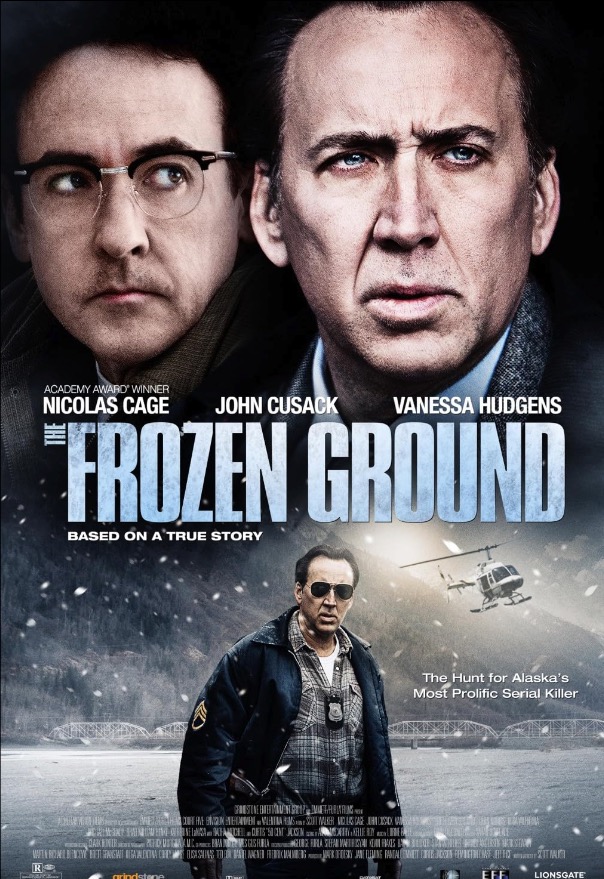
Which is a very long preamble leading into how I want to describe the next movie in the WATC(H). In The Frozen Ground (2013) Nicolas Cage plays a Straight Up character: a good guy, a cop, and a family man. He’s trying to save a young lady from a serial killer up in Alaska. He plays it Straight Up because it’s based on a true story. Intriguing. So let’s get into it.
The World According to Sergeant Jack Halcombe
In The Frozen Ground (2013) Alaska highway patrol Sergeant Jack Halcombe (Cage) is two weeks away from retirement from the police force when a dead girl’s body is found in the Alaskan wilderness. The timing is inconvenient because Jack is ready to move his family to northern Alaska where he can get away from the stress and grind of police work and take on a white collar job with an oil company.
The first body discovered is followed soon after by another woman’s body found decomposing (and acting as a bear feeder) in a different part of the state. As Jack and the police begin to investigate missing person’s cases, they realize that more than 30 women have gone missing in a very short time frame. They assume perhaps it is a serial killer.
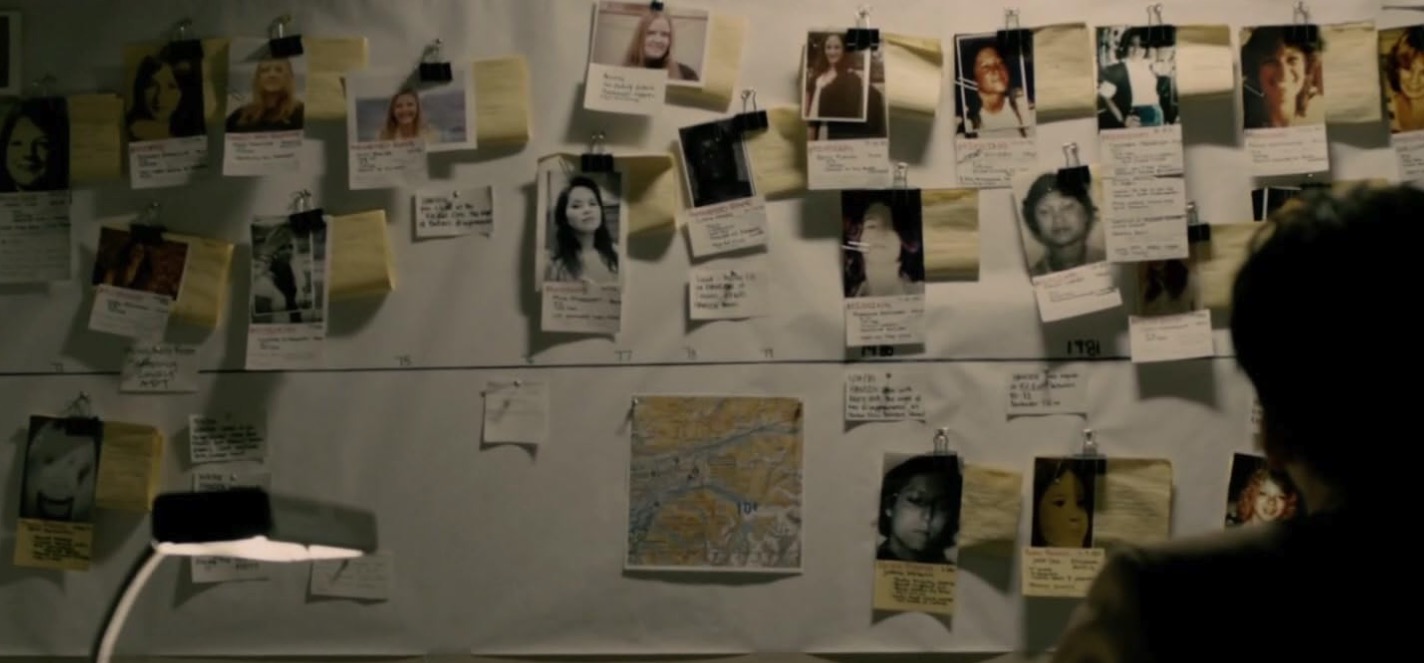
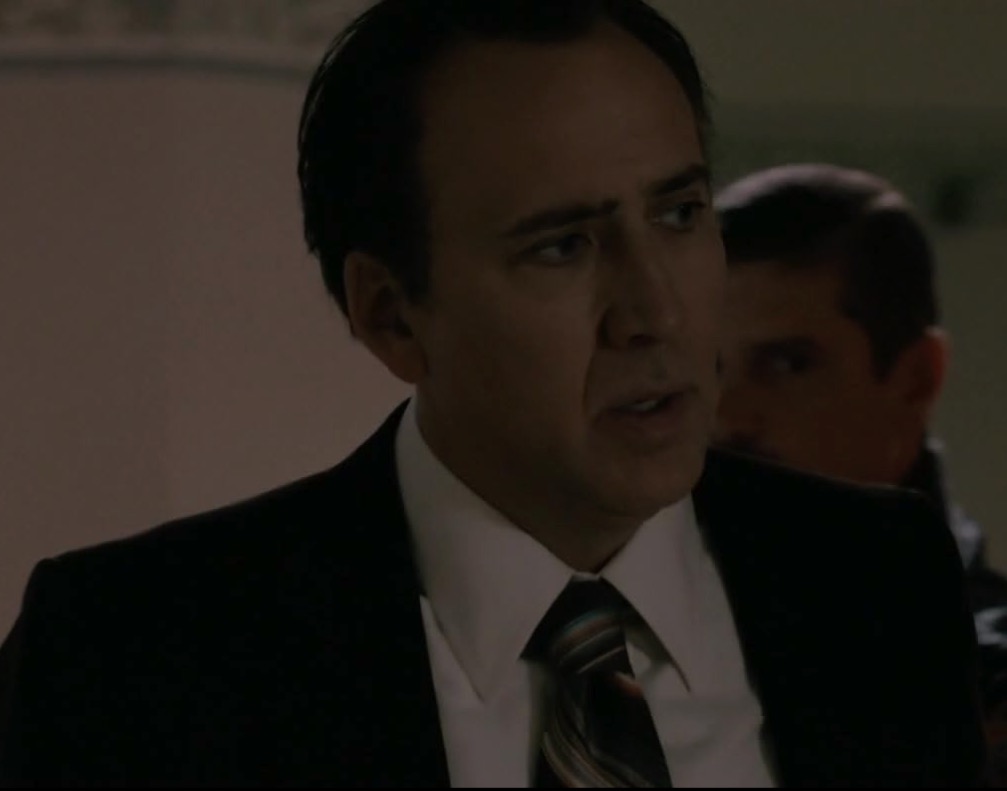

Around this time, they also learn that the Anchorage Police Department (APD) discovered a young teenage prostitute handcuffed and screaming inside a hotel room. After questioning this woman, Cindy Paulson (Vanessa Hudgens), they leared that she claimed to have been abducted, imprisoned, and raped by a man who wanted to fly her to a remote location and murder her. Although she escaped, the APD didn’t believe her story because she was a prostitute and the man in question was an “upstanding citizen” with an alibi.

Halcombe wants to believe her story, and re-opens the case, and tries to track down Cindy whom he thinks might be the one person who can help them track down and capture the serial killer, Robert “Bob” C. Hansen (John Cusack). Bob owns a bakery in town and is known by his neighbors and friends. He has a religious wife and children. He’s an avid hunter and has his own private plane.


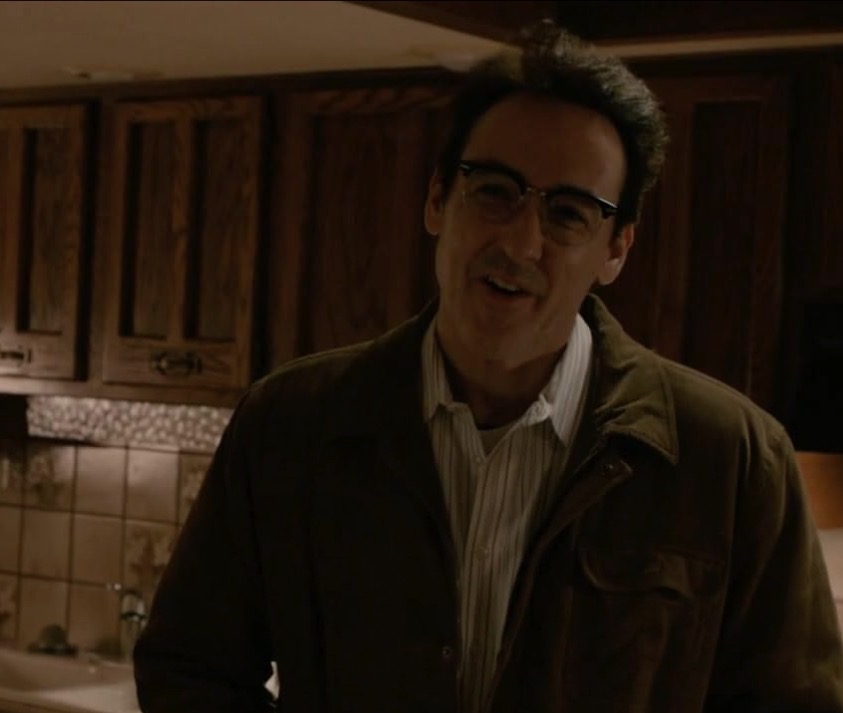
As Halcombe digs deeper into the missing person cases and interviews family members of victims, he also looks into Cindy’s story and Bob’s criminal past. Bob, who on the surface appears to be a family man and respected business owner, does have a more than just “checkered past” (with rape accusations, an indictment, and violence against women) but he has already served “his time” in prison and hasn’t been caught doing anything criminal recently. Jack doesn’t think he is really reformed and begins to build a relationship and trust with Cindy, who is generally distrustful of people (and policeman) due to her own traumatic family background, her “career path” and the lack of support she received when she reported her abduction / rape the first time.
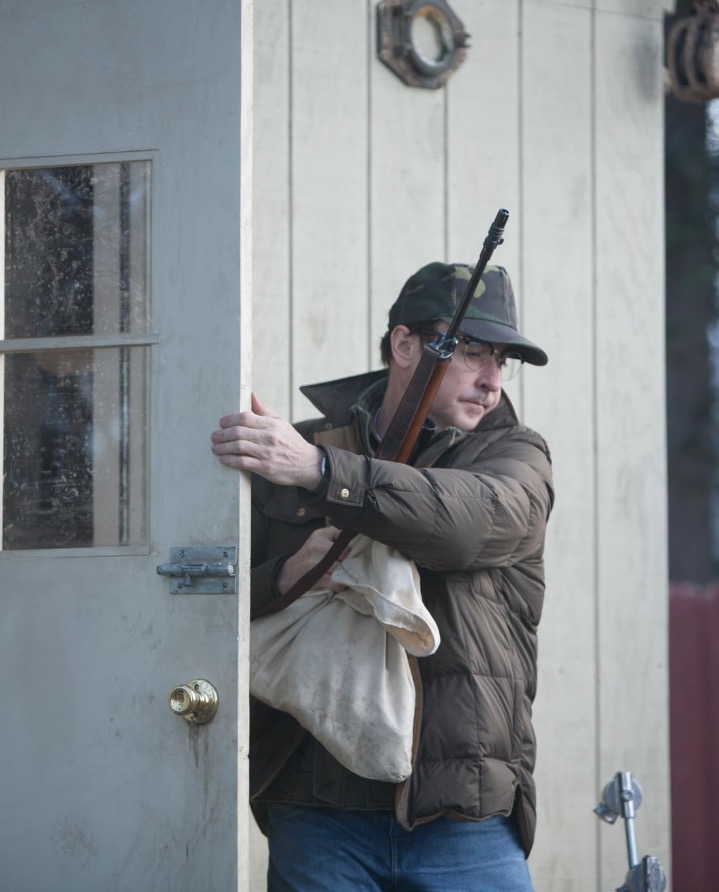
While the case is underway, Bob is up to no good. Whenever his wife goes out of town with the kids, he solicits prostitutes, brings them back to his home and chains them up in his man cave / dungeon. After raping and torturing them (BJs are his thing) he flies them somewhere remote in his plan, releases them in the snowy mountains, and then hunts them down and kills them with a rifle. Unfortunately, we get to see this all come to pass with another naive young girl (one who does not escape). There’s no room for doubt that Bob is the guy that Halcombe is trying to catch.
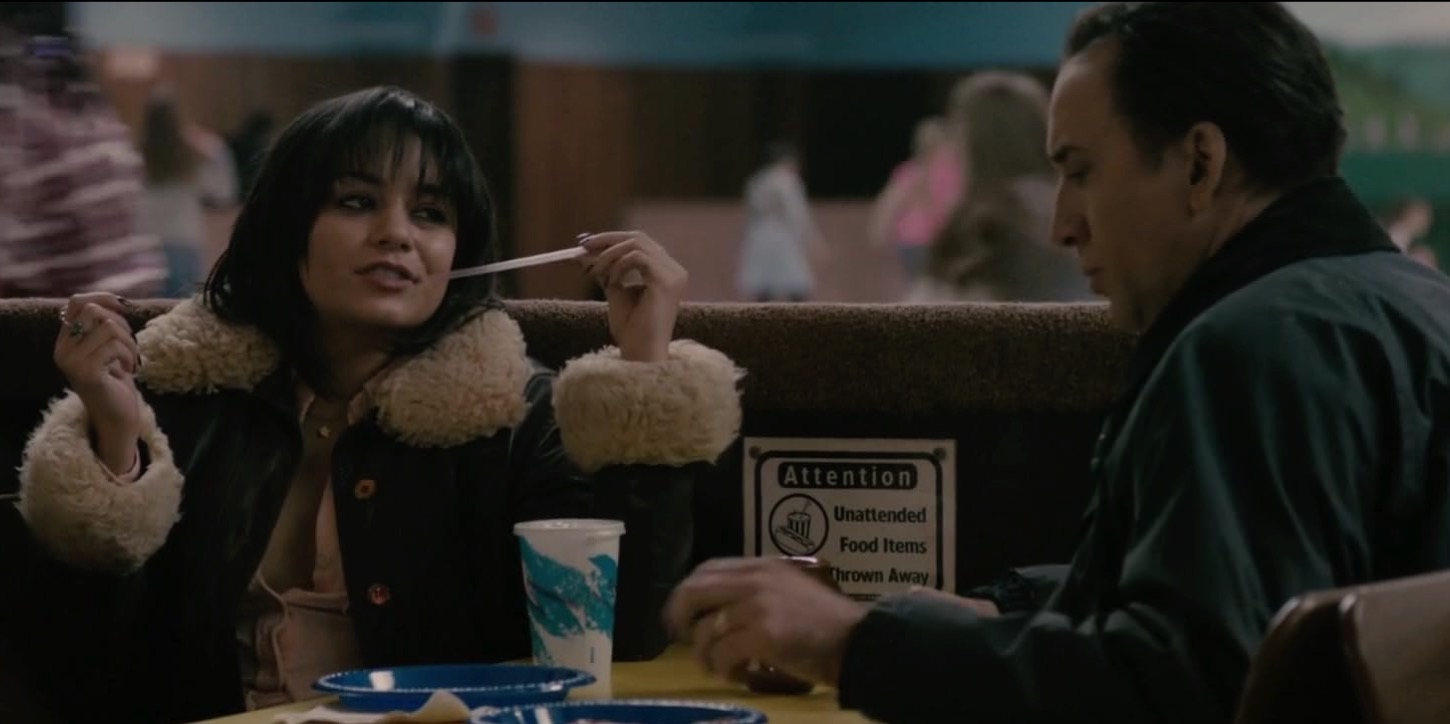
The rest of the film involves Jack trying to build his case against Bob by finding hard evidence (that will stand up in court) that he is the one committing these brutal murders AND Jack also trying to convince Cindy to stick around (not leave town) and to testify against Bob for the prosecution. Protecting Cindy is not an easy task since Bob has discovered her in a strip club and wants to catch and “silence” her, and since Cindy is caught up in a dangerous relationship with her pimp Clate Johnson (50 Cent) who has also been incentivized to “get rid of her”.
Ultimately Jack achieves some of his goals. He does end up saving Cindy (only after she’s kind of saved herself) and gets her to agree to testify against Bob. Jack also has an opportunity to search Bob’s home (via a warrant) and discovers the gun(s) that he believes were used to murder the victims.
However, there’s not enough hard evidence discovered to convict Bob, which threatens to undermine the case. Jack decides the only way to win is to get Bob to admit the crimes he’s committed. In a pretty epic A Few Good Men (You can’t handle the truth!) style questioning scene, Jack gets a bit creative by sharing some sketchy-truth evidence he has of Bob’s crimes. Bob buys it (because he did the crime and knows the evidence probably does exist.) And at a pivotal point, Cindy shows herself to Bob in an open doorway. This triggers him. Feeling the pressure of the questioning, and seeing the woman who escaped him, his rage boils to the surface. Bob yells at Cindy that he should have “killed her when he had the chance” much to the dismay of both the defending and prosecuting attorneys.
Bob goes to jail. Jack’s wife decides they should stay near Anchorage so he can do what he’s best at. Cindy returns to the lower 48 and starts a family (has children). Bob leads the police to at least 11 more victims, but there were likely many, many more.
The Real Life Killer & Crimes
I am not a Crime Junkies fan, but am related to some fans of the podcast! I don’t know if the Junkies ever discussed Robert C. Hansen, aka The Butcher Baker, but he was a real person. According to wikipedia, from 1972-1983 Hansen abducted, tortured, hunted, and killed at least 17 different women. In 1983 he was captured and sentenced to 483 years of imprisonment with no possibility of parole. He died in 2014 in prison of natural causes at age 75.

Based on the article, the film stays pretty true to the actual events as they unfolded. Hasnon was a quiet loner / baker. He did have a wife who was none the wiser that he was a serial killer. The real life Cindy Paulson at 17 year old had the wherewithal to escape (after rape and torture) before Hansen could fly her to a remote location and hunt her. She did make it to a hotel room where she was able to contact the authorities. Here’s a few other details that either weren’t explored or differed slightly in the film.
- Hansen was a very troubled quiet, loner, with a rough past. We see some of this in the movie. In real life he also had a stutter, acne scars, and what a psychiatrist called “infantile personality”.
- RL Cindy tried to leave behind some shoes at Hansen’s home that would tie him to the crime.
- RL Hansen told the authorities that Cindy (and other women who escaped him) were accusing him because he wouldn’t pay their extortion demands. Because of his quiet demeanor the police often believed him (and did so in Cindy’s case).
- Beside rape and assault accusations (which he did serve some prison time for) RL Hansen was also convicted of larceny for stealing a chainsaw from a Fred Meyers.
- The RL Jack and police force did find evidence in Hansen’s home and although he denied the accusations at first, they were able to get him to confess to the murders which he blamed on the behaviors of the prostitutes.
D-N-o-wAy
The thing that struck me about this movie was how hard it must have been to convict people of crimes prior to the use of DNA evidence. For a century or more I’m sure it was all about finding fingerprints, but these days, even microscopic evidence can be gathered to tie someone to a crime. For example, in The Frozen Ground one of Bob’s victims, a young girl chained to a post in his basement, urinates all over the basement floor. Even though she tried to wipe it up with a towel, there must have been so much DNA evidence in that room alone: particles, hair, blood traces, saliva, body fluids–in today’s world, if authorities had enough suspicion to obtain a warrant, they could have easily caught Bob red-handed. What a difference a scientific discovery like this has made for criminology.
Cage and Cusack
A bit of trivia: this is the second film in which Nicolas Cage and John Cusack play characters on opposing sides of the law. The first film was Con Air, in which Cage played the ethical convict and Cusack played the sympathetic FBI agent who trusts and helps him from afar. In this movie, there’s no sympathy or admiration between the two opposites of Halcombe and Hansen.
At first when I discovered that The Frozen Ground was about a serial killer, I couldn’t believe Cusack would be the one portraying the sociopath. It seemed like a stark divergence from his typical underdog romantic teen flicks of the 80s (Better Off Dead, Say Anything, and One Crazy Summer.) But it definitely worked. Cusack was up to the task of playing Hansen–from his petulence, to his angry outbursts, to his “friendly neighbor” duplicity. He was definitely a creep and creepy and it was easy to forget the loveable dope who held a jambox playing Peter Gabriel over his head to woo a rich girl, way back when.

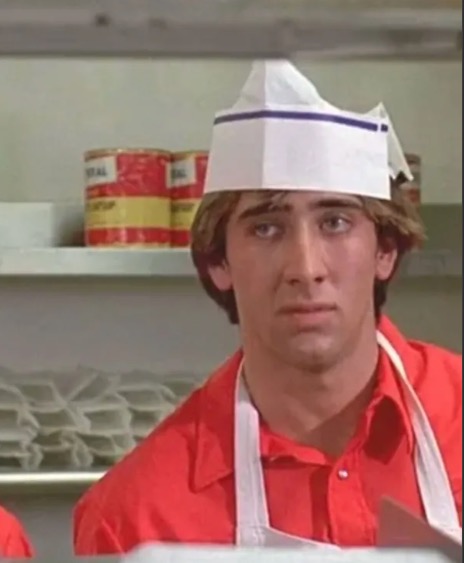
Cage played his role in a pretty even-keeled and tempered way, rarely getting overly emotional, except to defend Cindy and push through the endless bureaucracy of the DA’s office. Spastic, frenetic, and rageful Cage never really shows up in this one which is probably insightful by Cage just playing Halcombe Straight Up, as a smart cop who doggedly follows the leads, gathers evidence, and gets his man. Not all that differently than he played Brad’s Bud in Fast Times At Ridgemont High.
Anchorage After Dark
I’ve been to Anchorage a couple times, and I’ve never seen anything like the seedy red light district portrayed in the film. It must exist (since this was based on a true story) but I am curious whether or not it was grossly exaggerated to really drive home the perils of prostitution and the criminal element. In some ways this film’s depiction of strip clubs, and prostitution corners, reminded me of the dank decadence of 8MM. The streets also seemed super busy at night, like what you’d see in Chicago or New York City. I don’t think Anchorage has that kind of population nor that kind of “packed city” streets. But I could be wrong. Just a hunch.
Firsts for Nicolas Cage character as Sgt Jack Halcombe
- First time in Alaska
- First film with Michael McGrady (he played the undercover police officer and will show up in Rage)
- In a film with 50cent
- Handing a crying woman a tissue
- Jump starting a car
- Chillin’ at a skating rink with a prostitute
- Staring into the vast Alaskan wilderness (from a bridge)
Recurrences
- In a role as a policeman / detective (It Could Happen to You, The Wicker Man, Snake Eyes, World Trade Center, Bad Lieutenant: PoCNO)
- Playing a guy named Jack (Honeymoon in Vegas, The Family Man)
- Going deep into the sex trade for an investigation (8mm)
- Tantrum / fight in a strip club(s) (Deadfall, Kiss of Death, 8mm)
Quotes
“Do you ever wish you’d stayed in white collar, Lyle?”
“She’s not missing anymore.”
“He’s nocturnal, methodical, probably works nights. His job gives him time. Like a shift worker.”
“Have you EVER seen ANYBODY do ANYTHING like this before?” [to the coroner showing the dead body of a woman who was stabbed multiple times all over her body]
“This guy DID IT! And they let him get away with it.”
“WE DON’T HAVE A FEW DAYS. I WANT A WARRANT. TODAY.”
“I’m showing you a pattern BOB, and you’re lying to me.”
“Grounds frozen now. But come every summer when the snow and ice melt. I’ll keep going until I’ve checked every last mark.”
Conclusion
If the plot and the writing in the film is good enough, Nicolas Cage playing a character Straight Up is usually worth the watch. Even though the subject matter of this film was pretty dark (as was the Alaskan skyline) the story itself was satisfying because justice eventually prevailed. Maybe not for the more than 30+ women likely murdered at the hands of Bob Hansen, but for Cindy and for all the future victims that may have come afterwards. It was satisfying to see Halcombe “get his man” and send him to prison for a very long time. The impressive performances by Cusack and Hudgens rounded out the taut gritty crime thriller and held my attention to the very end.
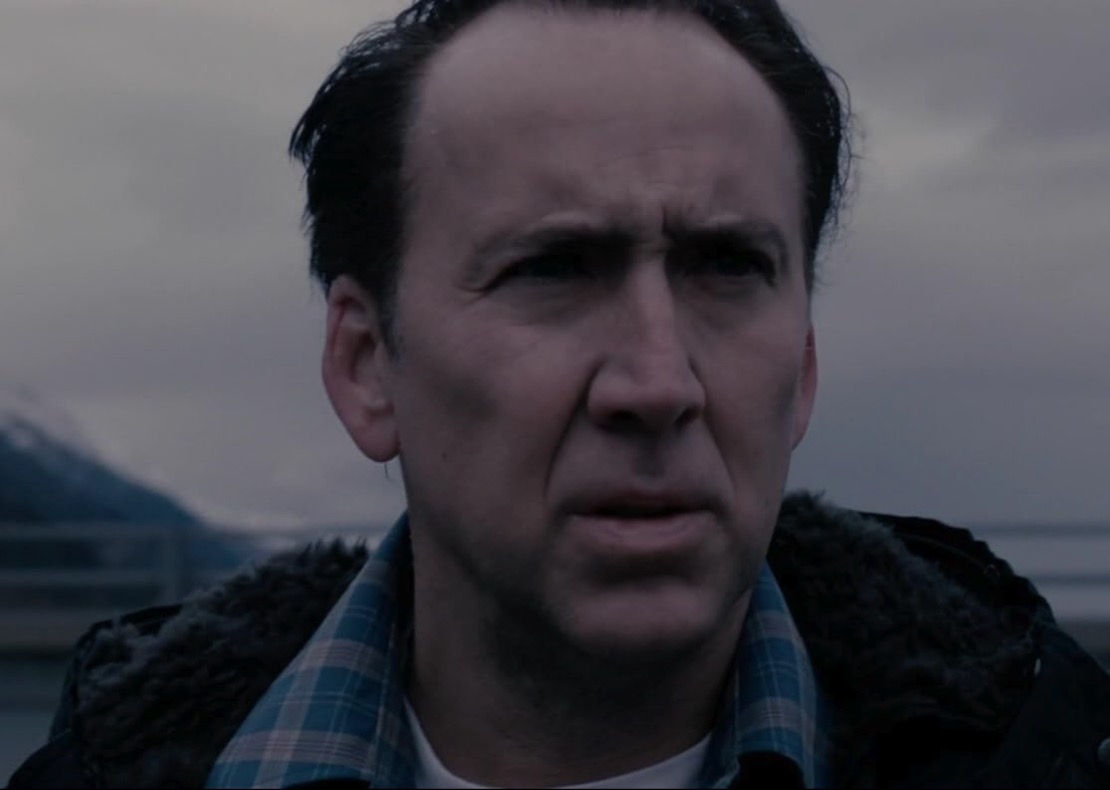
I may prefer the Dark Misfit Savior (DMS) roles the best, but Cage proves once again that he can go Straight Up or Tragic with the best of them. If memory serves, the next movie in the WATC(H) Joe, features a pretty interesting DMS. Look for that review here soon!

 yeti speak...
Leave a comment