We’ve seen Nicolas Cage in Christmas movies, rom-coms, and thrillers. Action-packed affairs, good vs. bad-guy shoot ‘em ups, revenge plots, cartoons and heist films. Heck Cage has even been in artsy period-pieces and time travel films. But #72 in the WATC(H) feels like the first actual horror movie of his career.
Sure you can point to Season of the Witch (which I’d label as a dark fantasy movie) or The Wicker Man (which I’d call a psychological thriller / murder cult movie), or even Ghost Rider (a comic-book action film) but nothing from his filmography stands out as a real classic American horror film.
Until now!
With Pay the Ghost (2015) we get a true-to-form Halloween film that starts with a ghost child abduction and ends with escape from Purgatory. It’s not the best horror film you’ll ever see (but it’s not the worst).
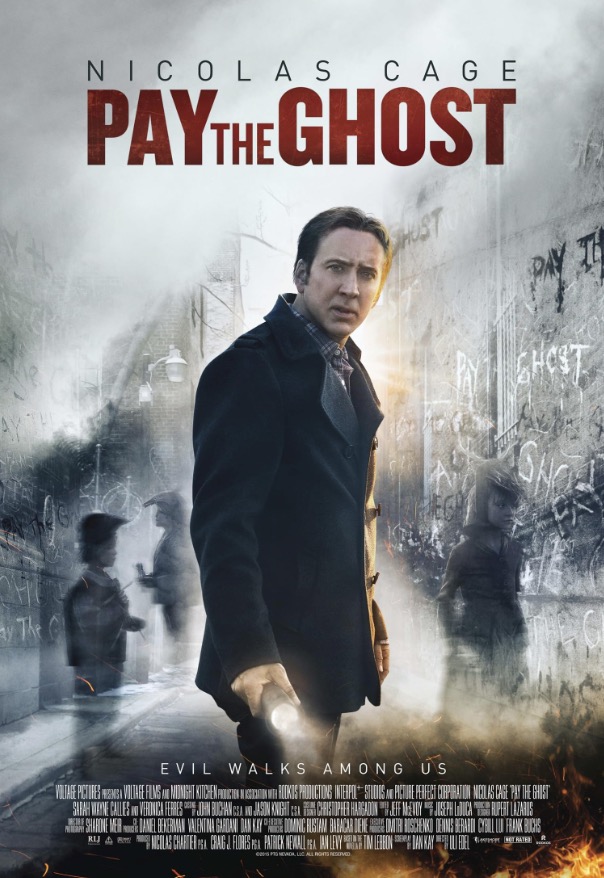
But at least he’s covering new artistic terrain. (After The Runner, groan, I was really ready for it.)
The World According to a Vengeful Ghost
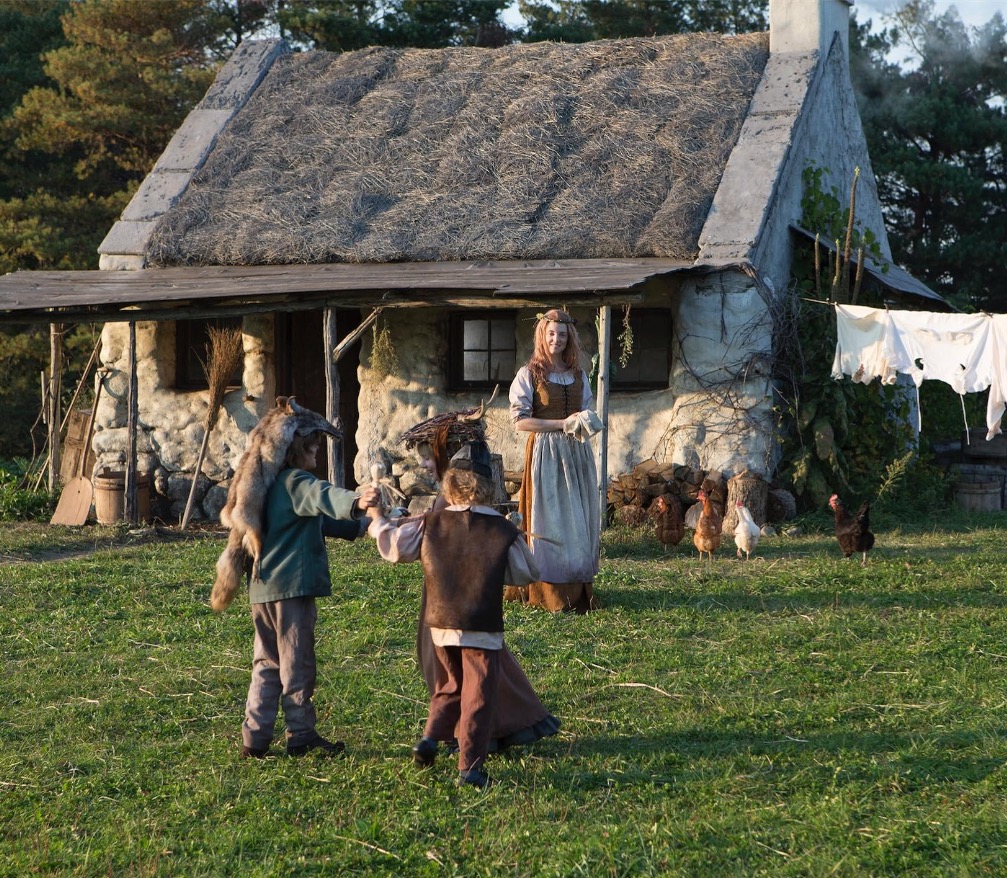
The year 1679; the setting: colonial New York. A devout Celtic widow (from the Old Country), Annie Sawquin, is minding her own business celebrating Samhain with her 3 kids when an angry mob shows up at her door. Fueled by bad acne, religious / scientific ignorance, and violence, the raging mob brings all their fears to bear, blaming Annie’s “witchy ways” for an influenza epidemic that has swept through the area. To rectify this “wrong”, the mob decides to burn Annie’s children at the stake while she watches. Then they burn her, too, for safe measure as she swears to take revenge upon them throughout time.
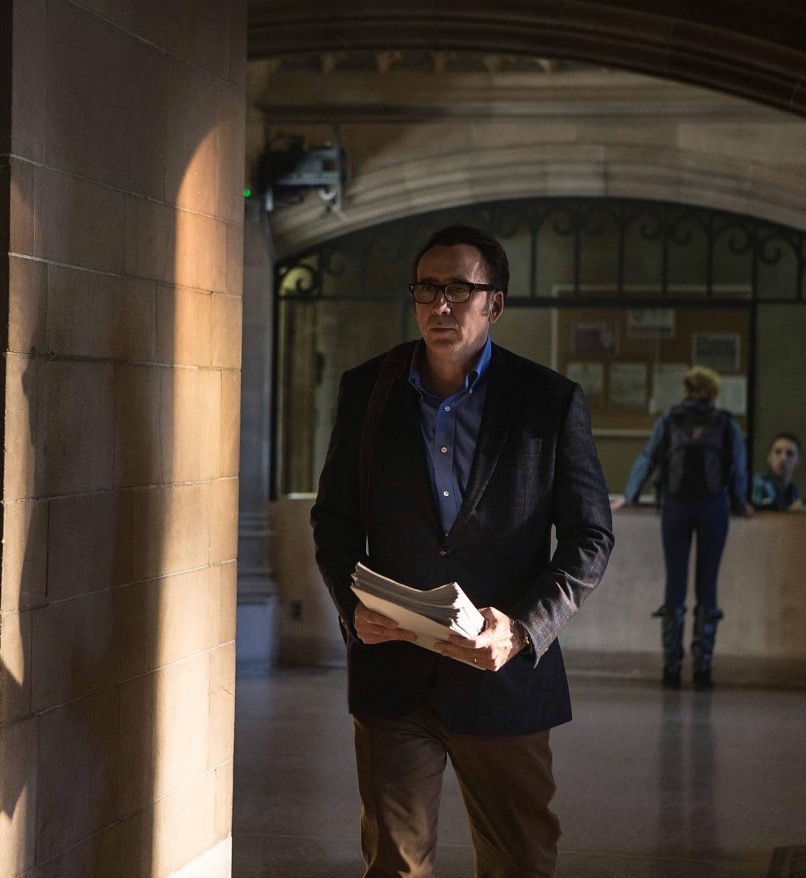
Fast forward to the modern day. NYC resident and college English teacher Mike (Nicolas Cage) is a workaholic trying to get tenure, while his dutiful designer wife, Kristen (Sarah Wayne Callies) picks up his slack at home and cares for their impressionable 5-ish year old son, Charlie.
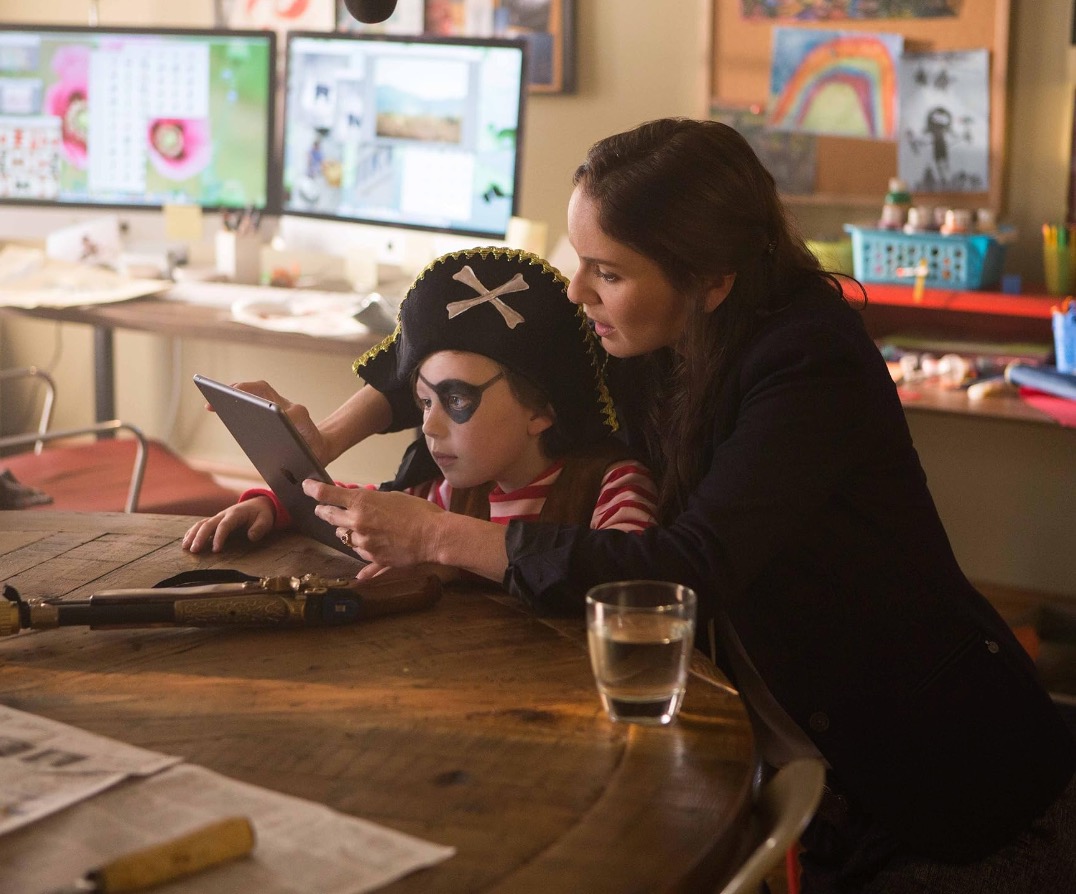
It’s Halloween season and Charlie wants to dress like a pirate, carve a Jack O’ with his dad, and generally have some good-hearted fun; unfortunately Mike is kinda busy. Charlie starts seeing strange things: dark shadows looming outside his window, swooping vultures, and ghosts, but (of course) no one believes him.
Mike nearly misses Halloween night entirely and the chance to hang with Charlie, but comes in at the buzzer in a sad absentee dad’s excuse for a costume (i.e. a cowboy with no cowboy hat). Mike convinces Kristen to allow him to chaperone Charlie around the block one more time so he can visit a spooky carnival and get some ice cream. The street fair looks a lot like a Halloween Mardi Gras celebration.
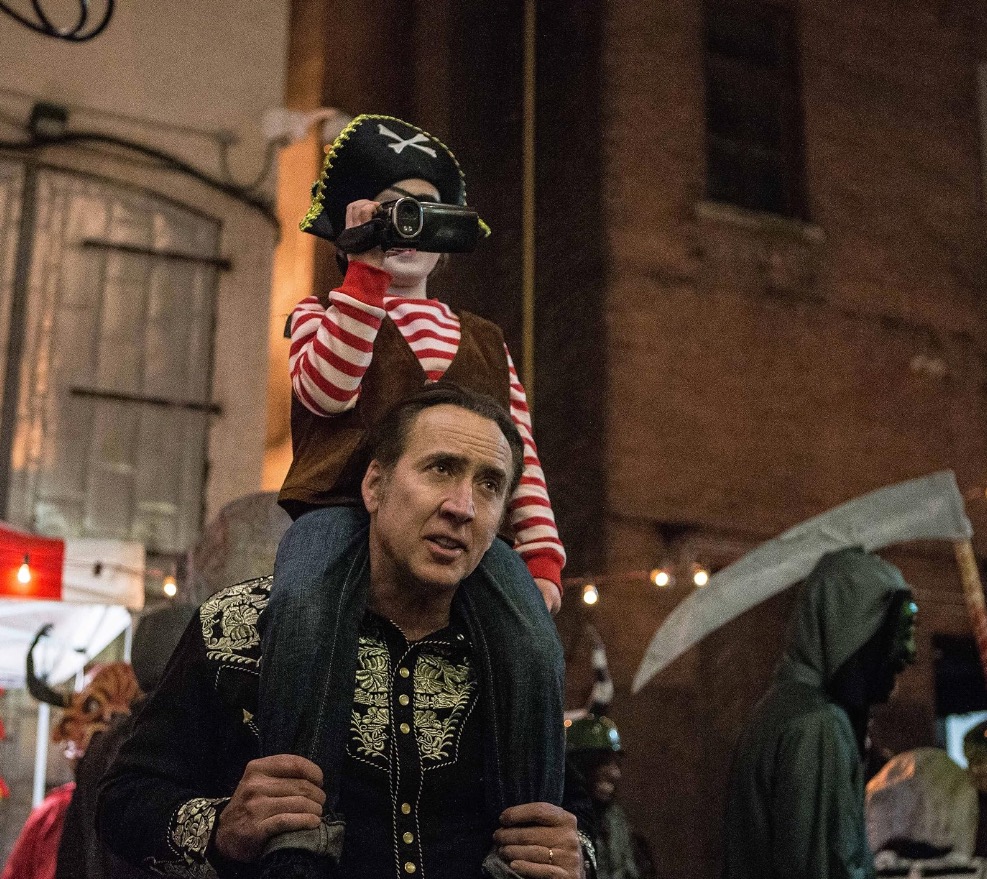
Charlie is still seeing weird things and asks his dad eerily, “Dad, can we pay the ghost?” to which Mike has no response. As Mike pays for the ice cream, Charlie disappears. Panicked, Mike searches everywhere, talks to a policeman, and eventually rushes back to his home thinking Charlie may have returned there.
Charlie is gone. Kristen is not happy with him (at all). Mike is devastated.
Fast forward to a year later.
Mike and Kristen have separated due to the grief of losing Charlie. Mike puts up a million fliers around town with Charlie’s picture on them, and generally antagonizes the police to work harder to solve what he believes is a simple missing person’s case. But then, Mike (and Kristen) starts seeing things, too: Charlie (in his pirate costume) on a city bus, vultures flying around skyscrapers, Charlie’s scooter zipping around their house “unmanned”. Through a lot of detective work, clue gathering and the tragic help of a psychic, Mike and Kristen realize that Charlie and many other kids have disappeared around Halloween every year (for some time) never to return. They suspect a supernatural cause. Eventually, they fall upon some folklore that helps them unravel the mystery. The two learn that during Samhain, ancient Celtics believed that the waxing and the waning moon represented the mother vs. the Crone. The mother nurtures and cares for children, but the crone takes vengeance for her lack of fertility / youth (or something like that). In order to not catch the gaze or be captured by the Crone, Celtic children would sacrifice small dolls around Samhain (when the veil between worlds was most permeable). They called this “paying the ghost.”
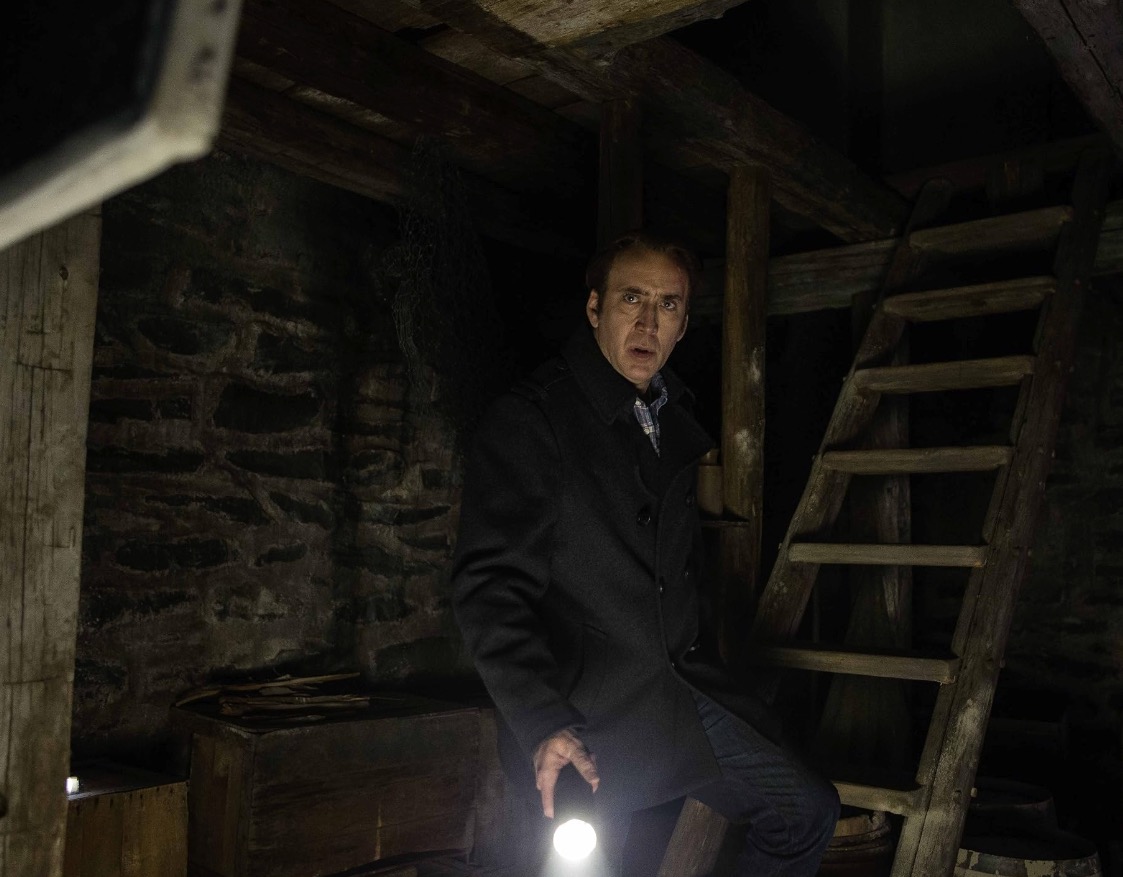
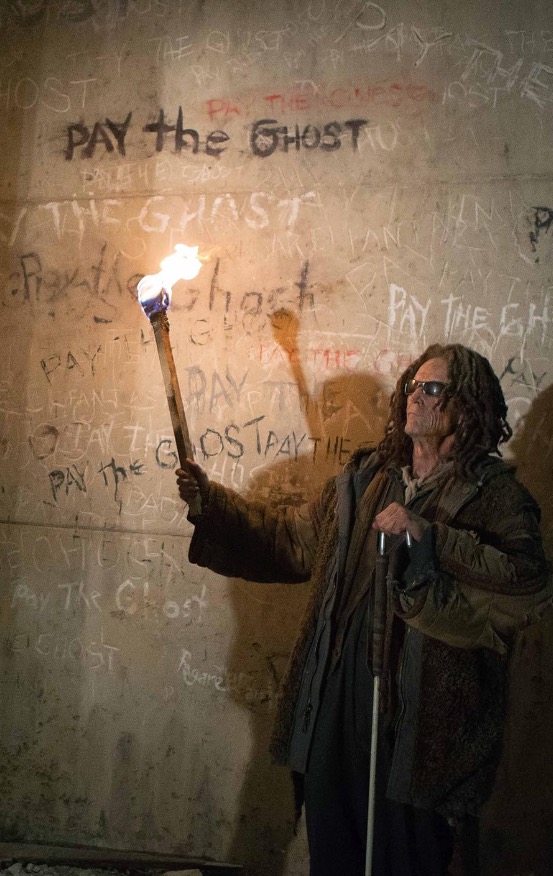
Putting 2 and 2 and another 2 and another 2 together, Mike realizes that on Halloween night, Annie has been compulsively stealing children (3 a year) ever since she was burned at the stake, as her act of vengeance upon the universe (presumably). Because they are still in the Samhain window, Mike believes he can cross over to the unseen world and save Charlie from the Crone (the ghost). He makes a deal with a homeless man and gains passage to the ethereal home of Annie Sawquin.
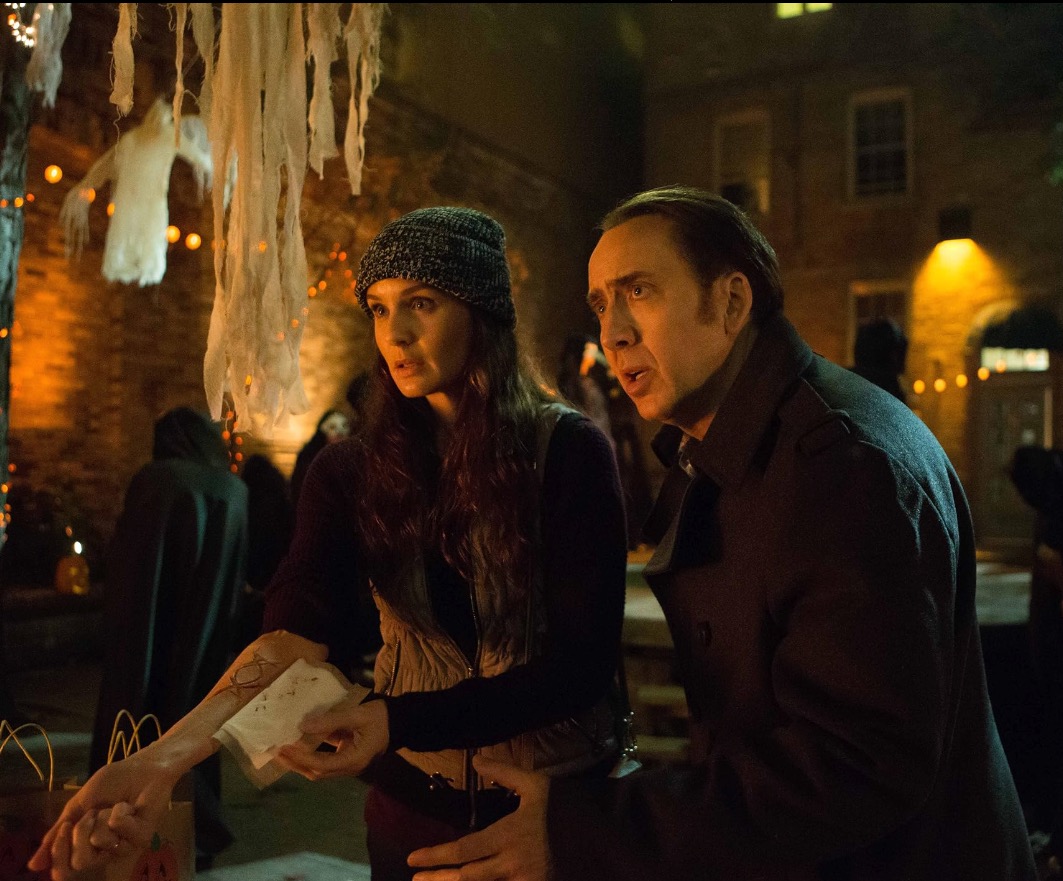
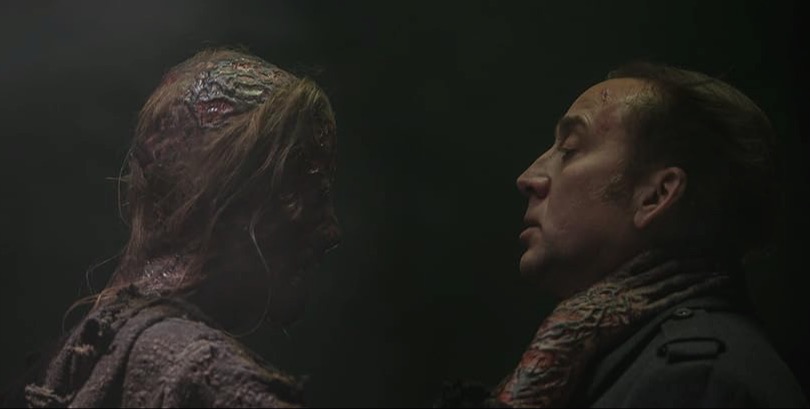
He finds Charlie (and the two children he came with from last Halloween) and helps them back across the bridge, but not before Annie could come fight for her children. Things look dire, until the ghosts of all the other children enter the fray and go after the Crone. She is vanquished.
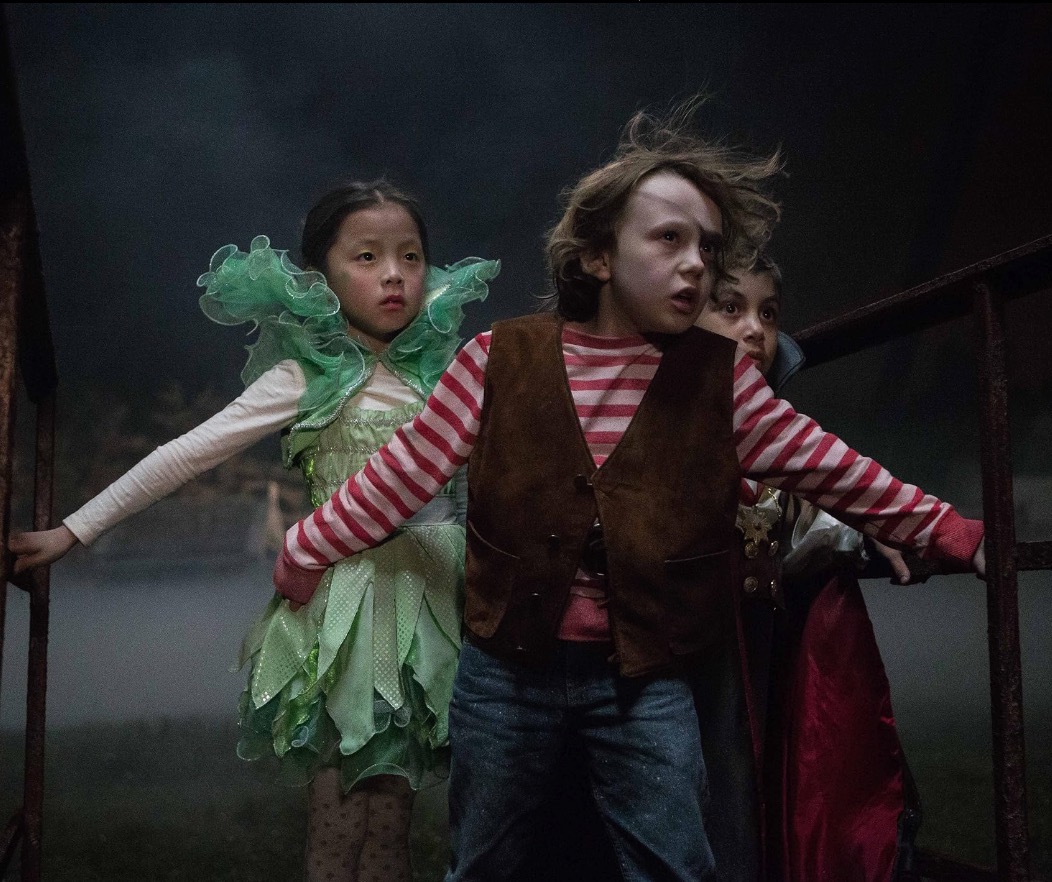
Mike, Charlie, and Charlie’s two trick-or-treater friends escape across the bridge as it collapses and walls itself off. Charlie has no memory of the incident. Mike, Kristen, and Charlie live happily ever after.
The End.
Good Horror or Nah?
As horror movies go, this one was kind of a snoozer. There were a few jump scares where the wraith version of Annie screeches with her burnt face and hoodie right at the screen when you least expect it–only to disappear a second later. The crowd of “ghost children,” with canvas bag masks, show up a few times in various shadowy rooms (or strobe effect lighting) which is also kind of creepy, but those are really the only parts of the film that had me on the edge of my seat. The most disturbing scene was when Kristen is possessed by the ghost of her son and speaks with his voice about how “cold it is” where he is and how the ghost is coming for him. Then Mike discovers that Kristen has unknowingly carved the Celtic waxing / waning moon symbol into her own arm with some scissors. Eek.
The vultures. A lot of attention was paid to the vultures in this movie. They guide Mike to the abandoned warehouse where the Pay the Ghost graffiti wall was and the iron bridge between world. Vultures also crash into the windshield of the cab that Mike and Kristen are taking to save Charlie, injuring both the driver of the cab and Kristen. I guess vultures are kind of creepy to look at as they are death followers, but do they deserve so much screen time? Meh. Not in my opinion.
I’m Not Crazy Your Crazy
One movie trope that always comes into play when parents lose their children (to abduction or death) is that the parents themselves inevitably “lose it” mentally and relationally. Cage plays this in some stereotypical ways worth mentioning.
- The conspiracy string board map. When a non-detective character starts investigating something with a cork board, and then plasters pictures, news articles, post it notes, and other paraphernalia across it, and then makes connections using a line of intersecting red string, you know that person is losing it. This is the first thing we see in Mike’s apartment after we get the “one year later” prompt.
- Flyers. People that hand out flyers are suspect (in general) and especially so when they aren’t getting paid for it, and when they’re plastering new fliers directly over the weathered old ones–that’s a bad sign for mental wellness.
- Knowing how it sounds. Crazy people say things like “I know how it sounds, but…” Mike knows how he sounds–and it’s wack. In most movies they may actually be right (and often are) but when you find yourself justifying the insane things you are suggesting, you have probably traveled outside of the norm.
No Good Deed Goes Unpunished
One thing that comes across loud and clear in this film is that the innocent suffer, unless you’re one of the main characters (whose suffering is only temporary.) The innocent:
- Annie. Just minding her own business celebrating Samhain with the kids. All four get burned at the stake by strangers.
- The psychic. She’s just doing her job. Mike doesn’t even believe in her. She comes to their home to sense what’s happened to Charlie. She uncovers a huge piece of the puzzle (that Annie “has all of the children”) before she is flung against the bedroom wall, pinned like a dead butterfly near the ceiling, and then killed brutally via broken neck. Why? What did she do wrong?
- The cab driver. He’s just a driver taking Mike and Kristen where they asked to go. His car is attacked by a vulture and he ends up in an ambulance (maybe dead!) That doesn’t seem fair.
- The work colleague. Mike’s blond bombshell of a professor friend unlocks the whole mystery of Annie’s history and the Celtic tradition behind it. She stays late at the office just as a favor to her friend. What’s her reward? The ghost fling her out the fourth storey window of the university to her death! Say WUT!
So my question is: If The Ghost cares so much about exacting revenge and keeping “her children” locked away, why doesn’t she really go after Mike (the absentee father) or Kristen? Neither seem to be in any real danger (until the taxi car crash). The logic of it makes no sense to me. Also, if the ghost children were so powerful why didn’t they rebel against their Ghost Mama a long time ago. Maybe, like all of us, they just need some Cage inspiration to get started. The rest was history.
First for Nicolas Cage as Mike
- In a Halloween movie
- Dressed up like a (sorta) cowboy
- Getting a promotion (tenure)
- Stapling up “missing” flyers to street poles
- Gets the voicemail treatment by a loved one
- Chases down a public bus
- Frees three children from purgatory
- Trading wristwatch for services rendered (guide to purgatory bridge)
Recurrences
- Losing a child to some form of abduction (Knowing, Ghost Rider: Spirit of Vengeance, Stolen, Rage)
- Playing an educator (Knowing, Seeking Justice)
- Questionably bad father (Raising Arizona, The Weather Man, The Family Man, Matchstick Men)
- Uninvited attendee to a weird ritual (The Wicker Man)
- Having a pretty nasty run-in with a witch (Season of the Witch)
- Literal cliffhanger near the end of a film (National Treasure 1 & 2)
Quotables
“What about you? Are you ready to disown me, too?” [To his wife, well before she has reason to disown him.]
“The child in his arms, finds he motionless, dead.” [Reading Goethe]
“They were all bound by one great and noble objective. To scare the living shit out of you!”
“I’ve got to go. I’ve got a very important appointment with a pirate.”
“Everything’s going to be better now.” [Famous last words…]
“Did you see where my son went?”
“He’s seven years old, he doesn’t have a phone!”
“All I had to do was protect him. Isn’t that what a father does? Protects.”
“Pay the ghost? Does anyone know what that means?”
“How do I find the crying woman?”
Conclusion
The good news: I’m definitely horror-curious about Nic after this one. Are there more horror movies on the horizon? The one I’ve been anxiously anticipating is the cult classic, Mandy, but that is still a ways out for me. The bad news: Pay the Ghost felt a bit like “paying the bills”. You know you’ve got to do it even if it’s not that fun. This movie wasn’t that fun although I did like the homeless person they chose who guided Mike to the purgatory bridge. He looked a lot like what I imagine to be a white and dreadlocked Zach de La Rocha at the age of 75. A bizarre, innocuous choice for a movie that was both of those things. Bizarrely innocuous.

 yeti speak...
Leave a comment