Ah, the dreaded double threat of a 1) a sequel and 2) an animated sequel. Thankfully, this looks to be the last sequel and the last animated film on the WATC(H) journey (hooray!)
The Croods: A New Age (2020)
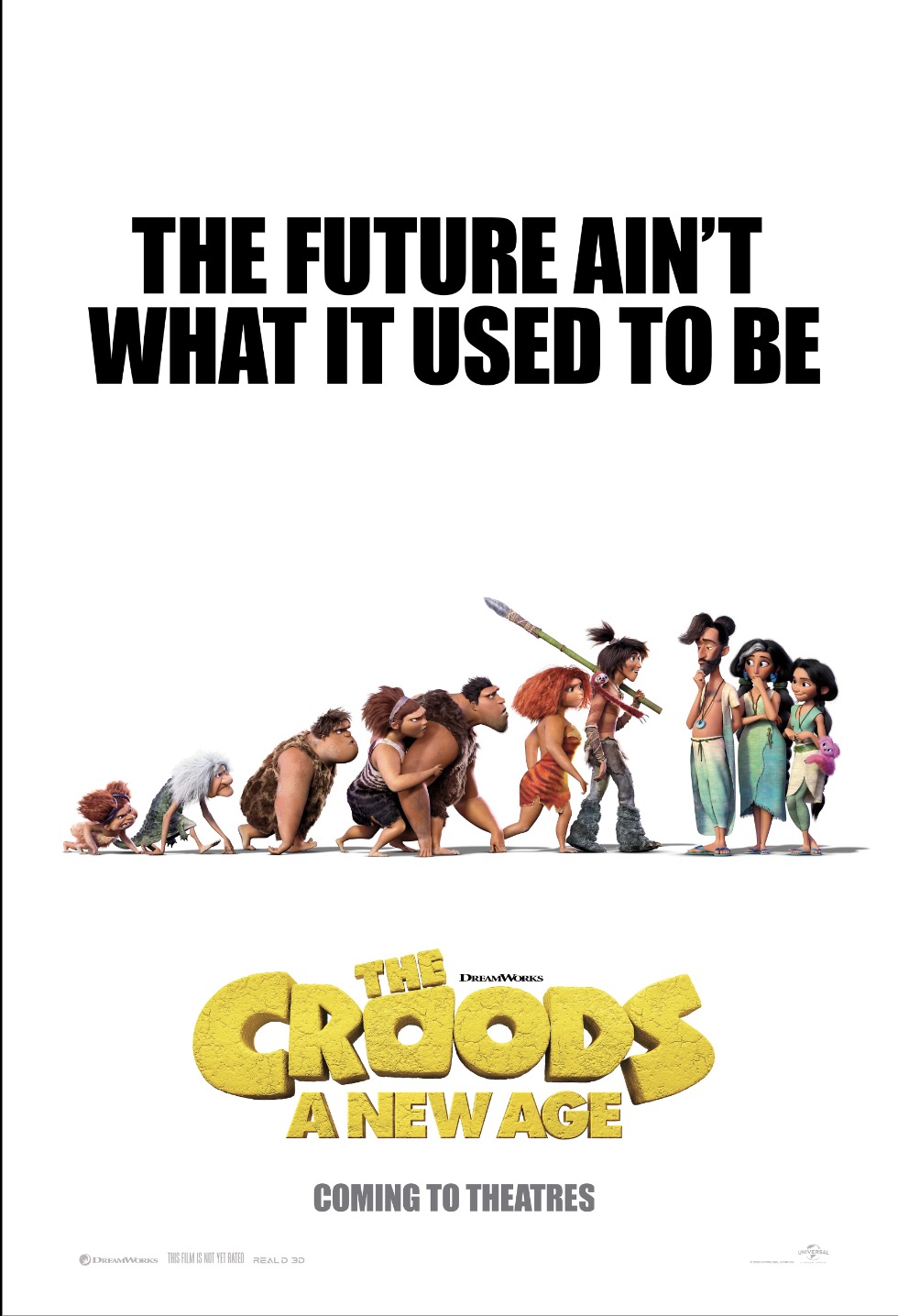
But I still have to go through the motions on this one and give it my cursory nod. I’m not going to bother introducing all of these characters again. If you need a run down on who the Crood family and players are, feel free to read this review for the The Croods (#64). Suffice it to say, Nicolas Cage reprises his role as the caveman patriarch, Grug and all the other family members (including Eep’s boyfriend) are the same.
Alright, let’s get this over with!
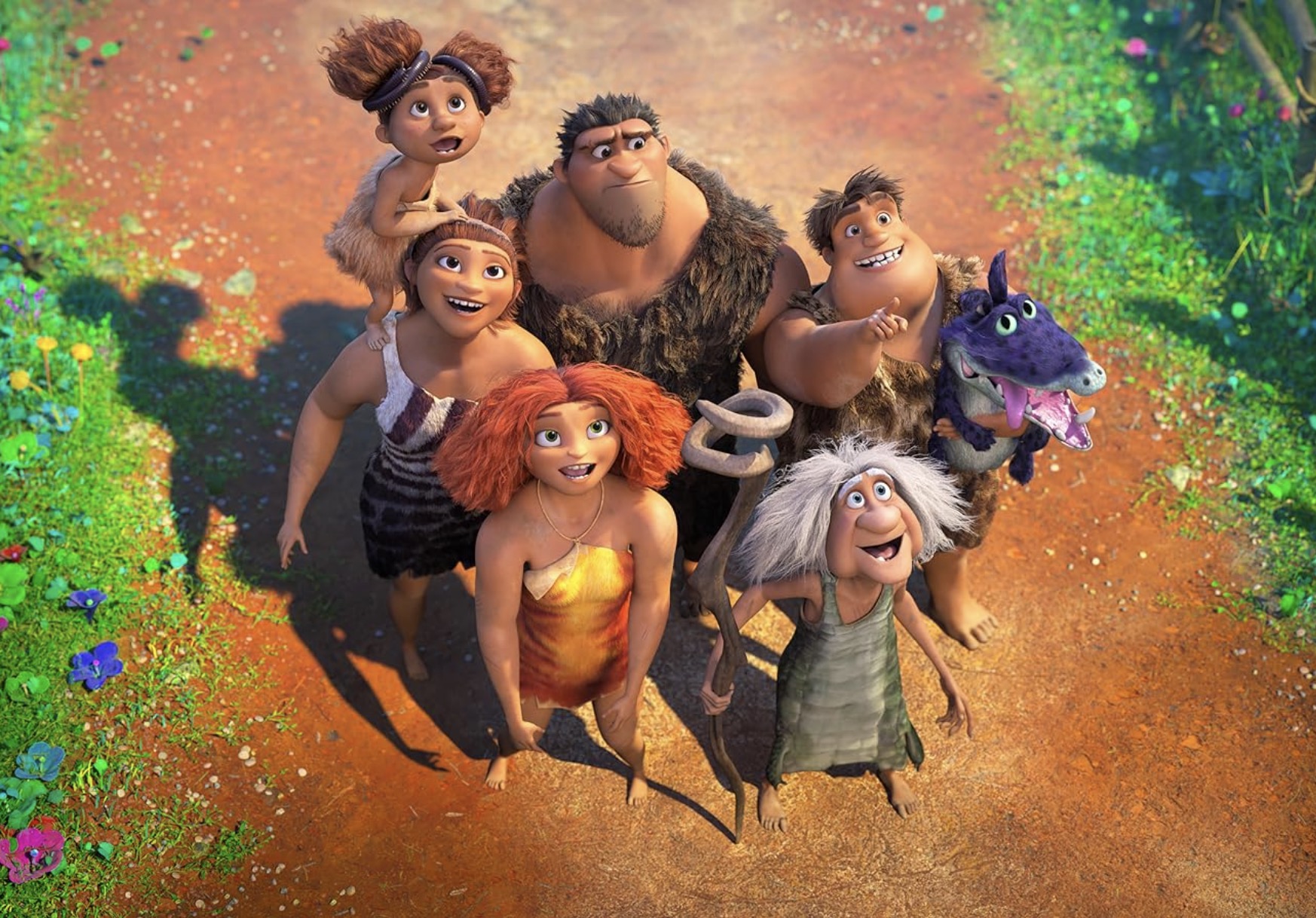
The World According to Grug (yet again)
Picking up where they left off in The Croods, the loveable rag-tag caveman family are in “Tomorrow land” looking for a new place to settle (after their home was destroyed in the first installment). The film opens with Guy’s backstory–he was orphaned by his parents when disaster struck and told to keep walking until he found “tomorrow” land on the horizon. The tension between Grug and Guy continues as Eep and Guy continue to get closer and closer (as boyfriend / girlfriend situations have from time immemorial) and desire their own privacy and essentially to start their own family. As defined by Guy (I think) privacy is the place in which you “only smell the feet you want to smell.”
As they are traversing a still hostile and dangerous environment, they run across a large, 100 foot tall bamboo fence which is actually a fortress. When they climb it they discover more food than they have ever seen in their life and a pristinely architected, civilized society.
It is here that they discover other humans: The Bettermans.

With new characters come new voices. There’s the man bun wearing Phil Bettrrman (Peter Dinklage), the flowy locked and risk-averse, Hope Betterman (Leslie Mann) and their adventure-starved daughter, Dawn Betterman (Kelly Marie Chan). The Bettermans recognize a now grown Guy immediately because they knew his parents and they immediately decide that he would be better off in their company (instead of the Croods) and aligned with their daughter.
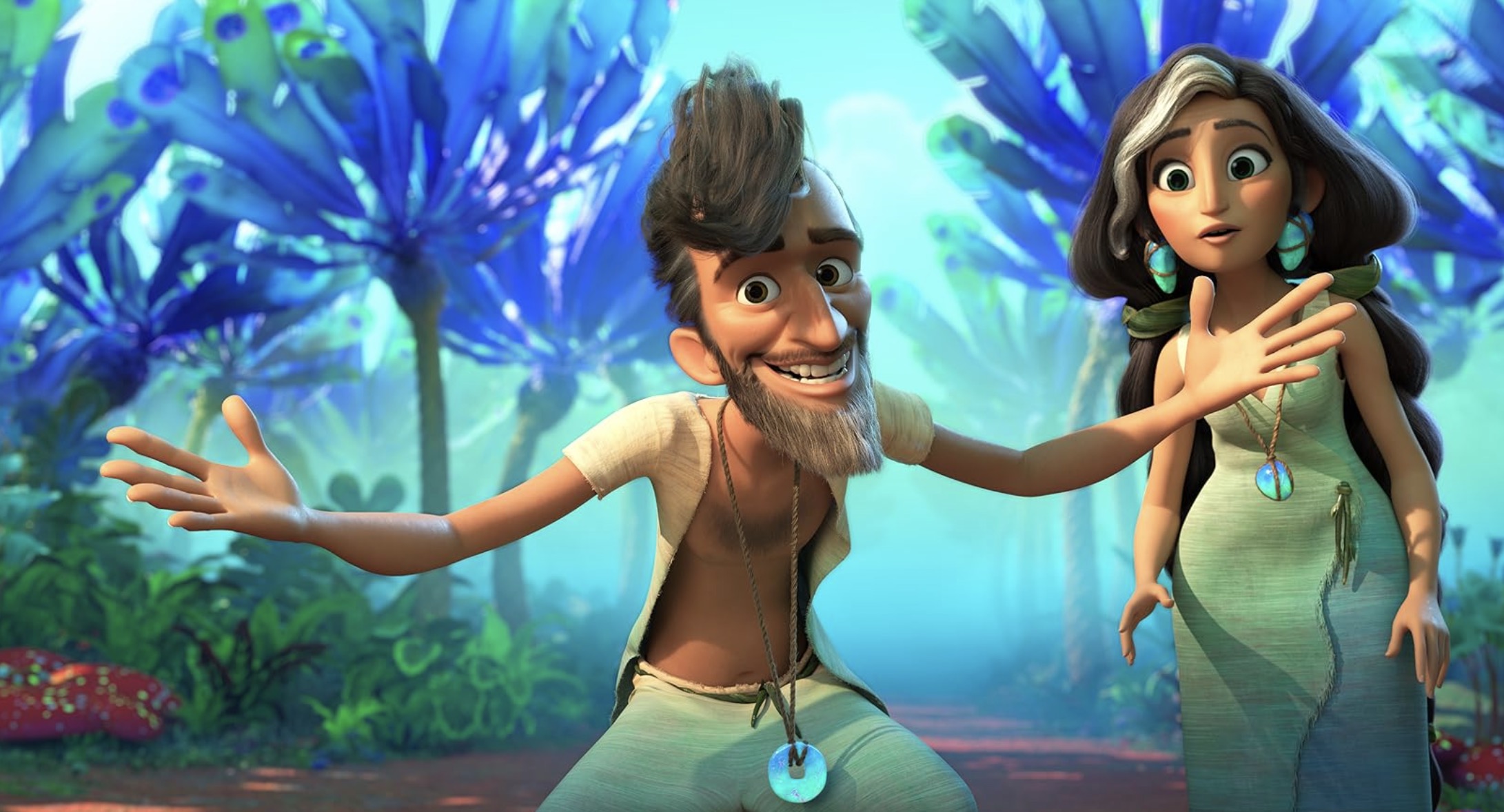
Essentially, the Bettermans are snobs.
The Bettermans, much like their name prescribes, have a Betterman way which creates a “superiority” complex for them and an inferiority complex for the Croods. The Bettermans have hot showers, and private rooms, they use forks and knives and avoid danger at all costs. Their family values stand in strong contrast to The Croods.
Of course this causes all kinds of tension for each of the family members. Guy is attracted to the civilized life and his old friend from childhood Dawn which makes Eep jealous. Hope’s feminine welcome basket of soap and candles is not fully appreciated by Ugga. And Grug (of course) doesn’t like many aspects of the tranquil and individual-centric society of Betterman world. He especially doesn’t like the “forbidden fruit” rule of not touching any of the bananas (his absolute favorite food).
The funniest jokes in the film are based on Thunk’s new obsession with a new Betterman technology called “the window” which is a clever stand-in for our modern day obsession with screens. He just watches whatever programming falls in front of Window all day long and even finds a travel version that he takes with him religiously on the journey.
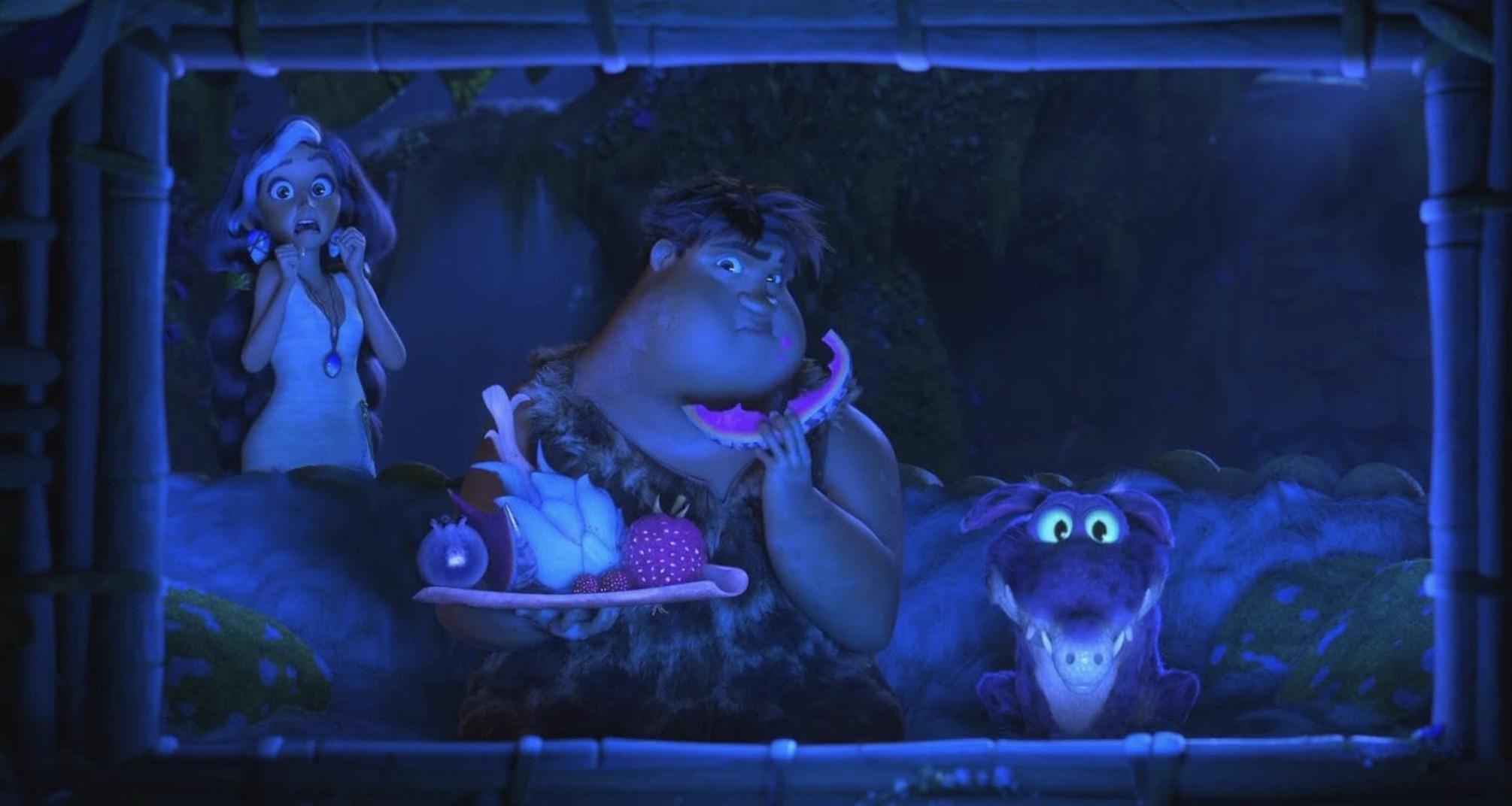
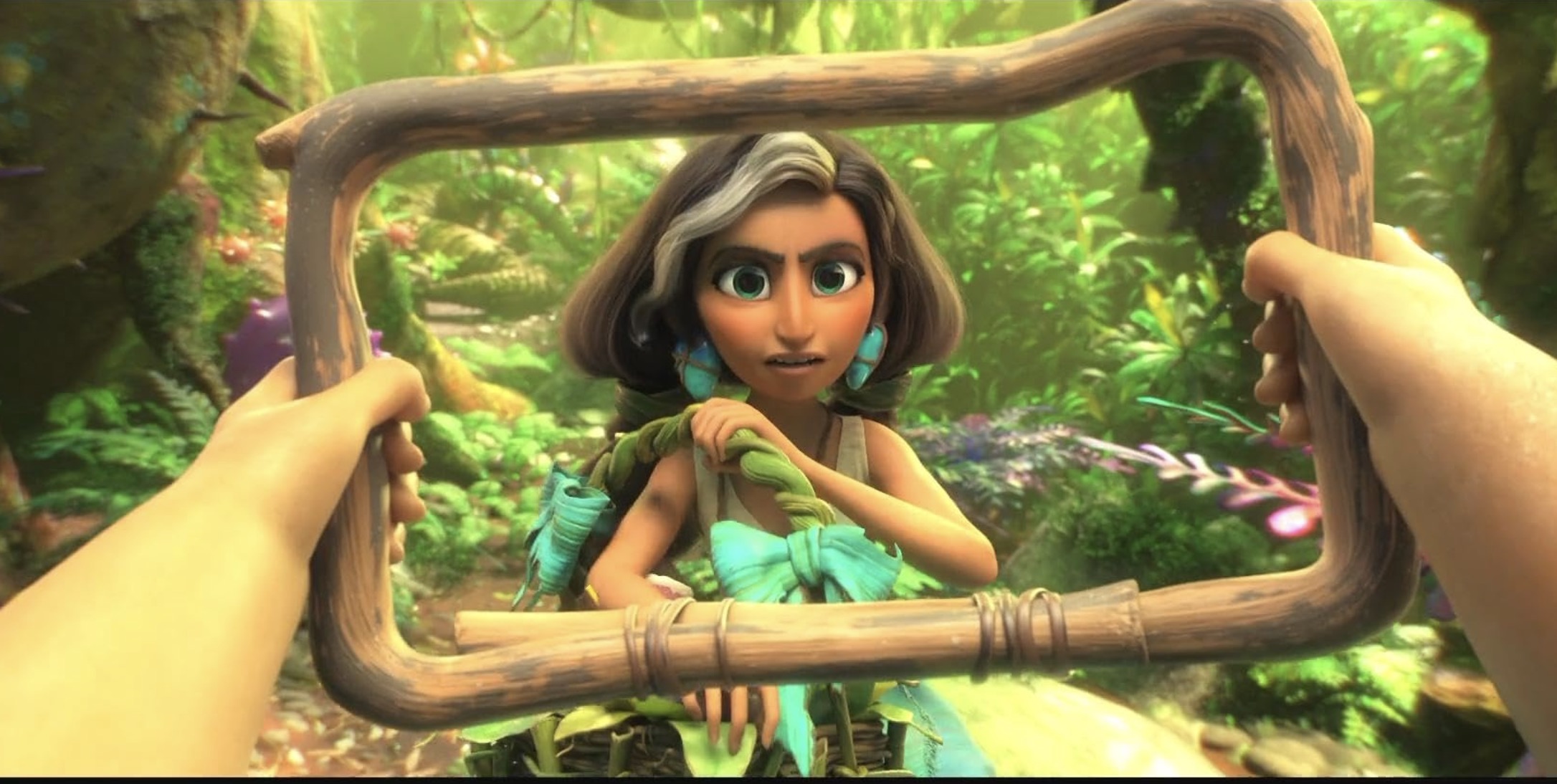
When tensions rise between the two-warring and value-crossed clans (think Meet the Fockers) and as the young couple begin to be broken apart the Croods rebel against their hosts rules. Grug eats all the bananas and this triggers an environmental and systemic collapse in the Betterman society.
Phil had created a tenuous peace with the local tribe of Punch Monkeys, a wild baboon population that communicates with punching and violence. He would grow and send bananas over the wall to prevent the giant Punch monkey from coming down from the mountain and killing everyone. Without the bananas (that Grug ate) Phil has no leverage so the punch monkeys come to collect payment from the Bettermans and the Croods.
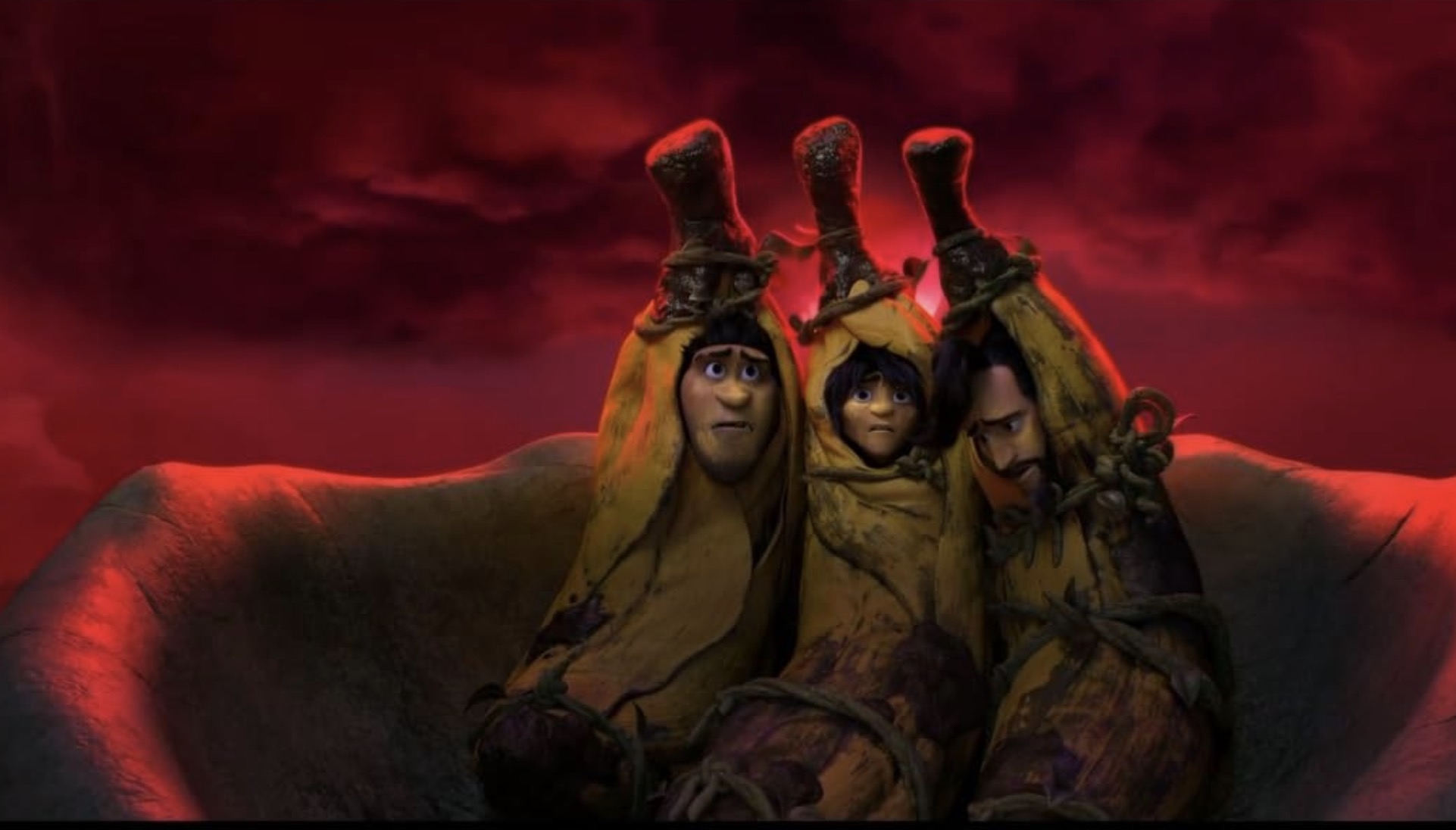
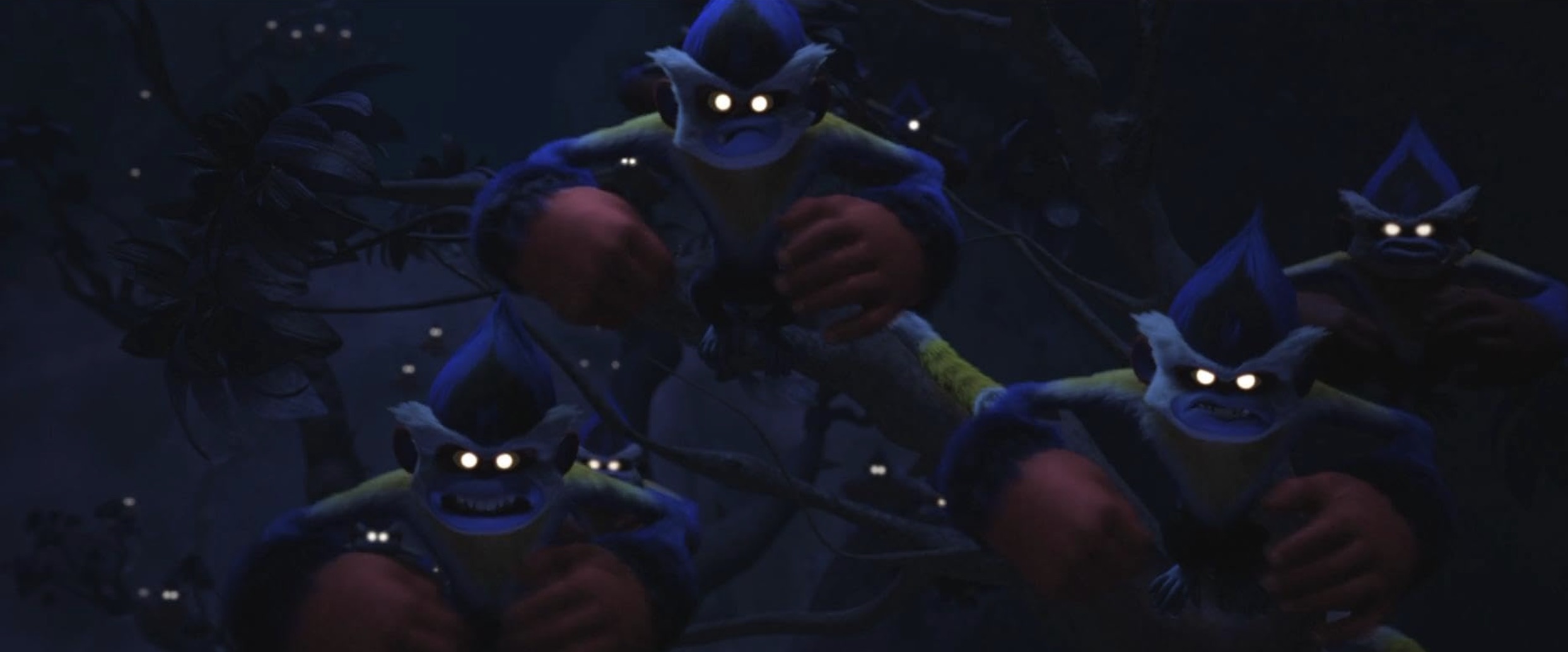

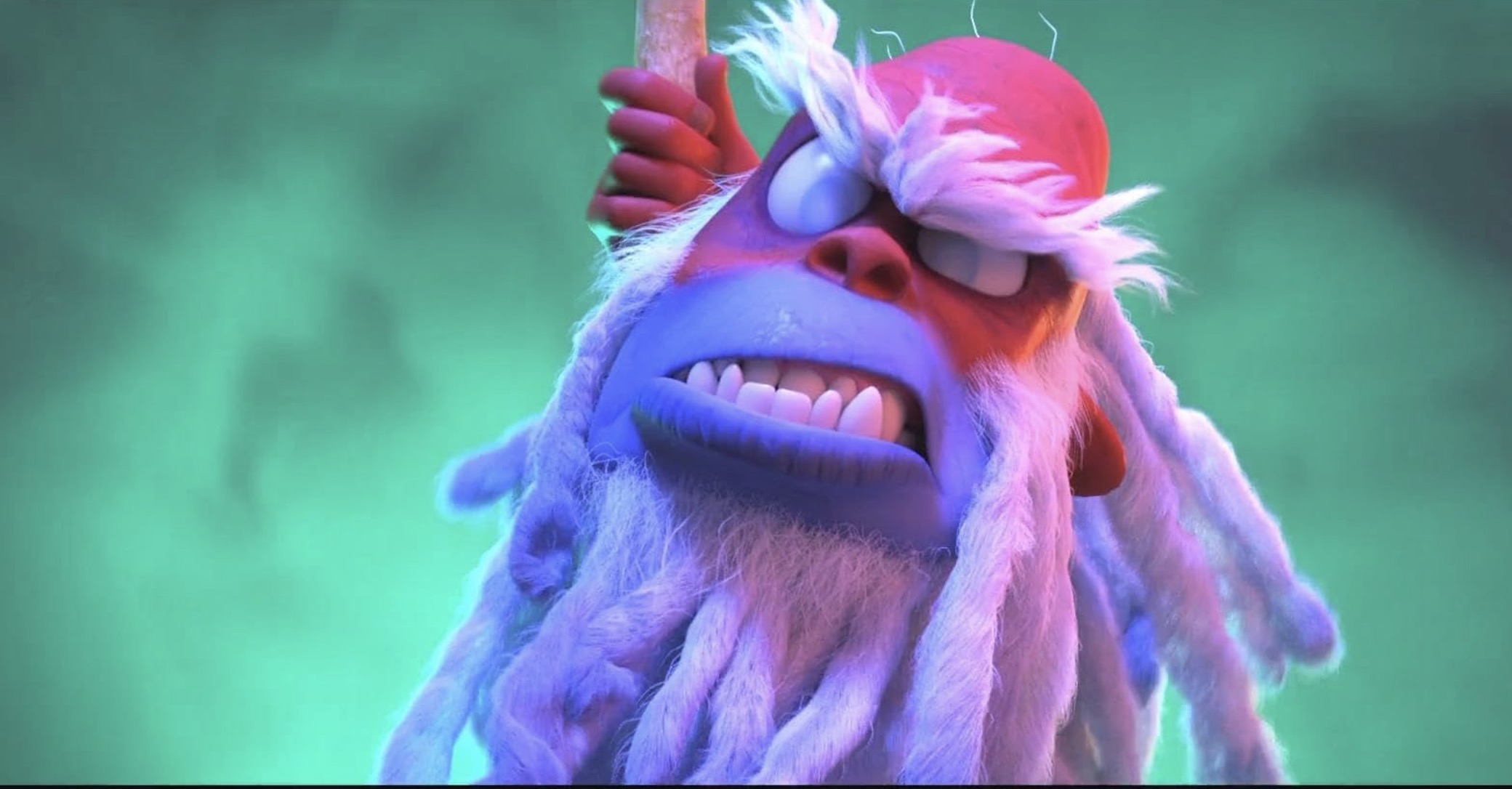
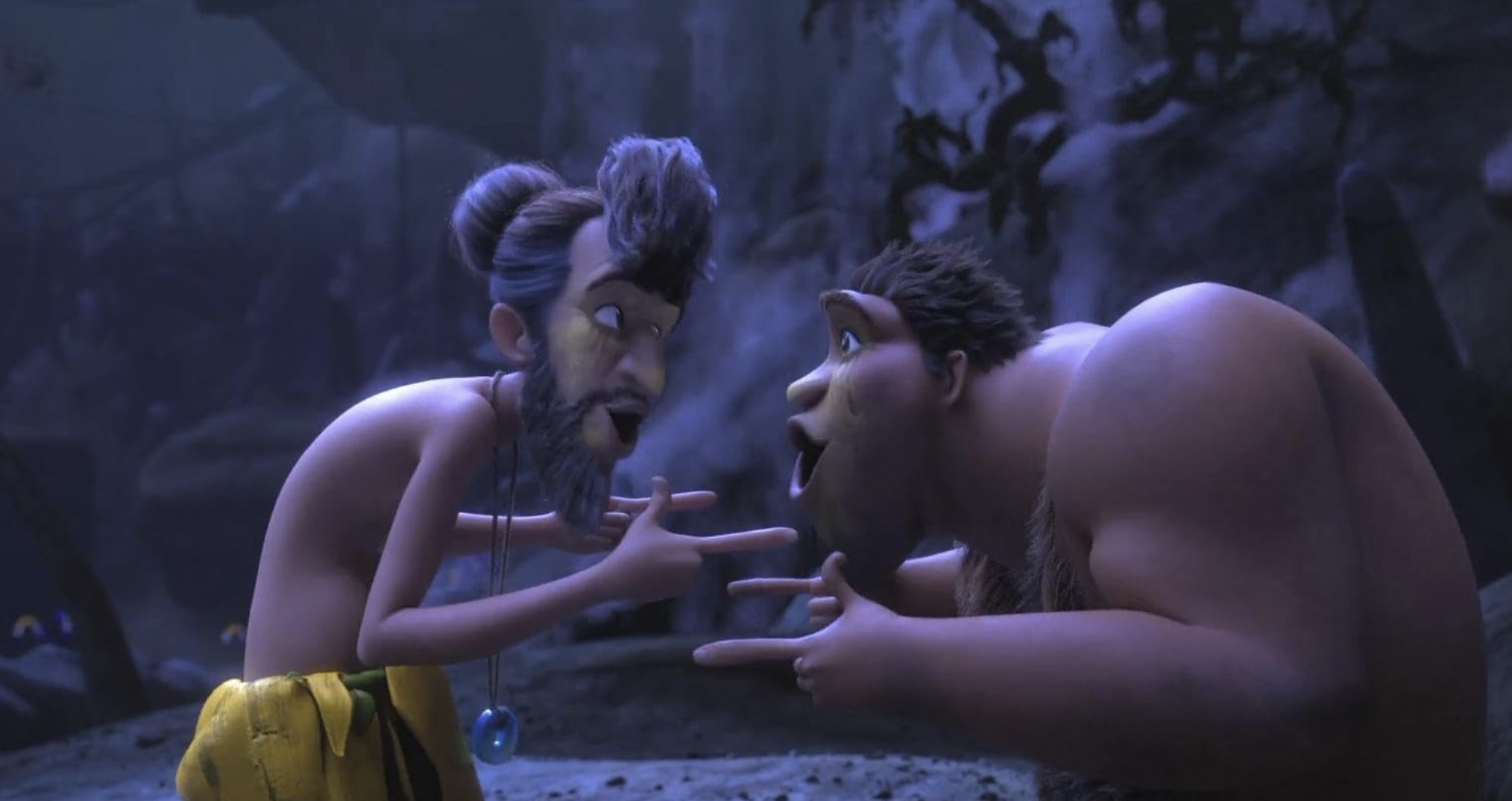
The rest of the film is basically The Croods and the Bettermans having to come together and overcome their differences to try and avert disaster at the hands of the GIANT punch monkey and his tribe of much smaller punch monkeys.

I could describe more about it, but it’s a cartoon. It’s made to be watched, not analyzed.
A lot of the best parts of The Croods are the one-liners and modern references.
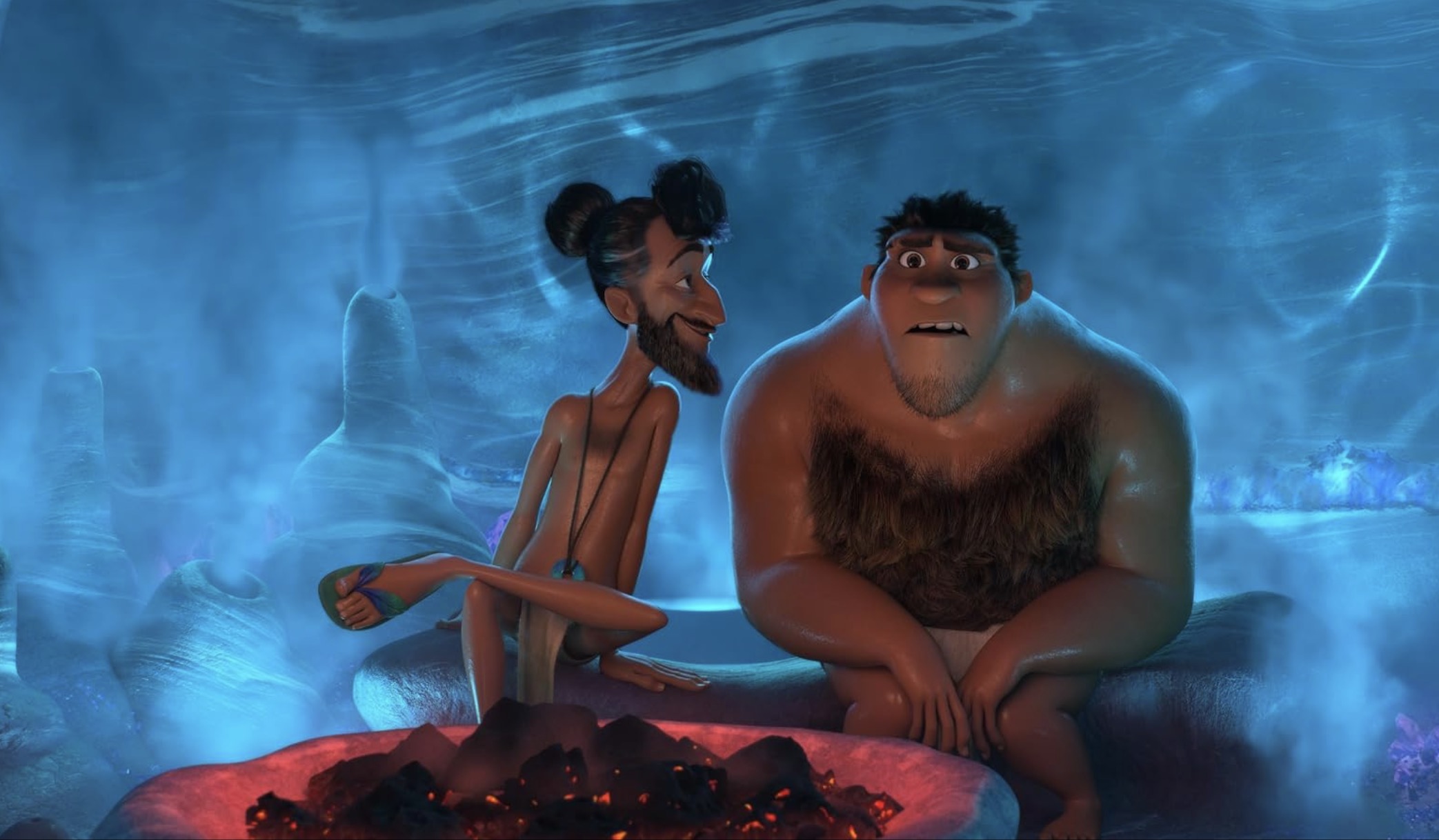
For example, when one of the characters says, they each will have separate rooms, one of the Croods replies, “What’s a separate.” The Bettermans drink their “bitter bean juice” in the mornings (i.e. coffee), and when Phil recommends that Grug remove his “fur pelt” in the sweat lodge for greater enjoyment, Grug says, “I already did.”
The punch monkeys are a lot of fun, too. I’d watch this film again with a young child, but from a WATC(H) perspective, I’m sticking a fork in it.
It’s done. Finito.
Firsts for Nicolas Cage as Grug (again)
- Head butting an armadillo
- Wearing a man bun
- Apprehended by a tribe of punch monkeys
- Nearly eaten by a giant baboon
Recurrences
- Offered as a human sacrifice (The Wicker Man)
- Playing Grug (The Croods)
Quotables
“I will turn this angry Deathcat around!”
“Get your head in the game.”
“The pack stays together.”
“They’d never survive on their own.”
“Never apologise for an effective kill circle.”
“I ate that banana in one bite.”
“But if I have to be alone. I’ll be alone with you.”
“We don’t sleep pile anymore.”
“In my day we didn’t stare at birds. We fought them.”
“I don’t have a problem. You have a problem.”
“It was really hot. I was full of shark milk. I was naked.”
“Reeks of love!”
“C’MON PUNCH MONKEYS, LET’S GET THIS OOOOOOONNNNNN.”
“You never told me about that. Did you know she had a peanut toe?”
Conclusion:
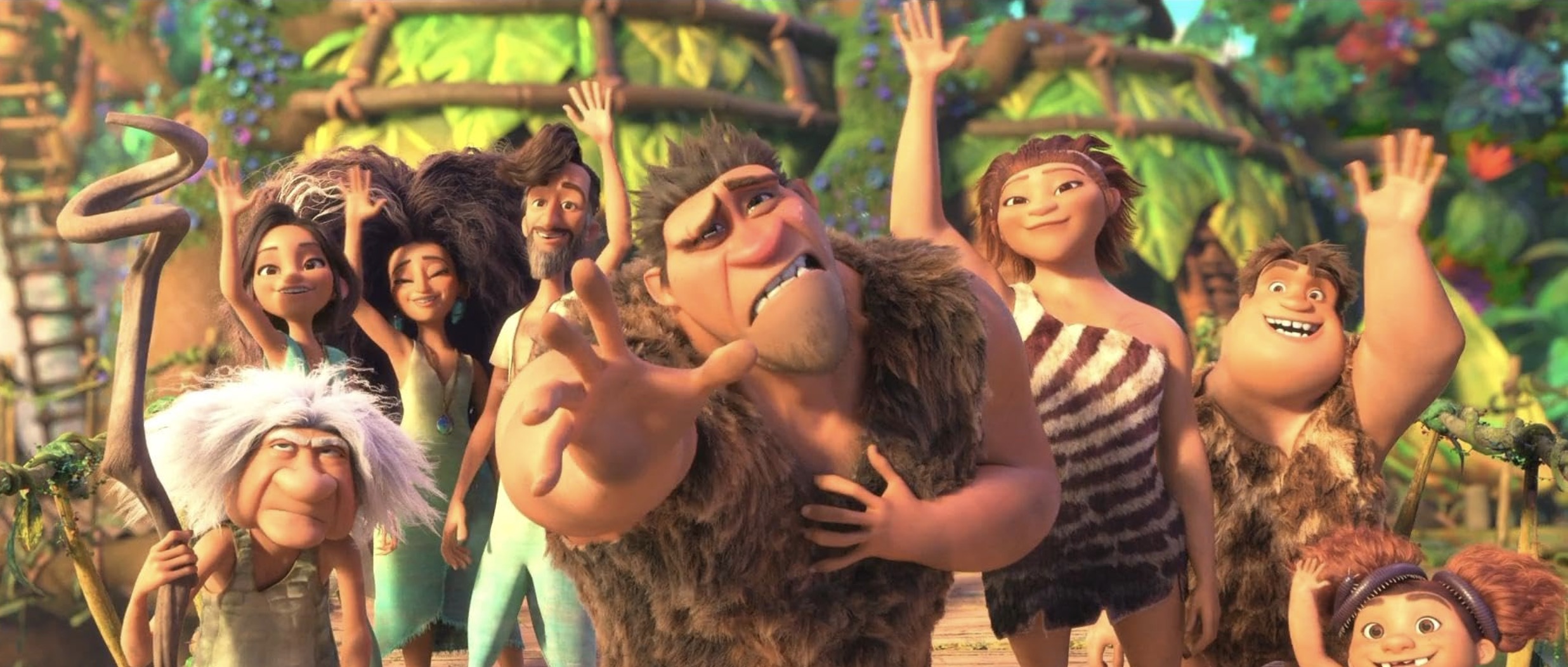
Change is inevitable. Best to embrace it wherever possible. Goodby Croods. It’s been nice knowing you.

 yeti speak...
Leave a comment